If you searched for a "Lead Bank credit card," you probably saw the name on a card application, a statement, or the back of a card and wondered what it is. Here is the short answer: there is no single product called the Lead Bank Credit Card. Lead Bank is a sponsor bank that issues cards on behalf of other companies, mostly fintech brands.
That is not a dodge. It is the honest answer, and it changes how you should shop. This guide explains what Lead Bank is, which cards it backs, and how to find the actual card terms that matter to you.
Key facts at a glance
| Detail | What we found (as of June 2026) |
|---|---|
| What is Lead Bank | A community bank and fintech company in Kansas City, Missouri |
| Role | Sponsor / issuing bank behind fintech-branded cards |
| Card network | Varies by program (often Visa or Mastercard) |
| Annual fee | Set by each branded card, not by Lead Bank |
| Purchase APR | Set by each branded card program |
| Rewards | Set by each branded card |
| Reports to bureaus | Depends on the specific card |
Terms and conditions apply, and APRs vary by creditworthiness. Always read the specific card's Rate and Fee Summary before applying.
What Lead Bank actually is
Lead Bank, pronounced "leed," is a community bank and financial technology company based in Kansas City, Missouri. It offers its own checking, savings, and loan products. It also partners with outside companies to issue bank accounts, debit cards, and credit cards under those companies' brand names.
This setup is called sponsor banking, or BIN sponsorship. A fintech company designs the card, the app, and the rewards. The sponsor bank, like Lead Bank, holds the banking charter, issues the card, and handles the regulated parts behind the scenes. So Lead Bank can appear on your card paperwork even though the brand you applied with is someone else.
Which credit cards does Lead Bank back?
Lead Bank's credit card portfolio leans toward unusual, niche products rather than one mass-market card. A few notable examples as of June 2026:
- Atlas Card: A luxury charge card with a $1,000 annual fee, Priority Pass lounge access, and concierge perks. It is invitation-only, and it does not offer a welcome bonus.
- Made Essential Visa Signature Preferred Card: A $0-annual-fee card that lets you earn points on mortgage payments when you also spend in other categories. It earns 3X on gas, EV charging, groceries, and utilities (capped at 30,000 points a year), 2X on home categories, and 1X elsewhere.
- Nibbles credit card: A card whose main feature is pet insurance, covering up to $25,000 in yearly health coverage for one pet at any licensed U.S. vet.
The takeaway is that "Lead Bank credit card" is not a single offer with one APR or one rewards rate. Each branded card sets its own fees, rewards, and approval rules.
How to find the real terms for any Lead Bank-issued card
Because the terms live with the branded program, you need to read that card's documents, not Lead Bank's. Here is how to check the facts that matter.
Look for the Rate and Fee Summary or Schumer Box on the card's application page. It lists the purchase APR range, any penalty APR, the annual fee, the foreign transaction fee, and late and cash advance fees. You can also search the CFPB credit card agreement database at consumerfinance.gov for the full cardholder agreement.
Confirm which credit bureaus the card reports to. If your goal is building credit, you want a card that reports to all three bureaus. A card that does not report will not help your score even if you pay perfectly. Learning how to improve your credit score starts with knowing whether your card even shows up on your report.
If you actually want a starter or credit-building card
Many people who search "Lead Bank credit card" are really looking for an easy-to-get card to build credit, not a luxury charge card. If that is you, it helps to compare a few cards built for that goal. These are not issued by Lead Bank, but they may fit better than a niche product.
The Aspire Cash Back Rewards Mastercard is one option to consider if you want cash back rewards while you build history, and it runs on the Mastercard network so it works almost everywhere. Check the card's Rate and Fee Summary for its exact APR and annual fee before applying.
Aspire® Cash Back Rewards Mastercard
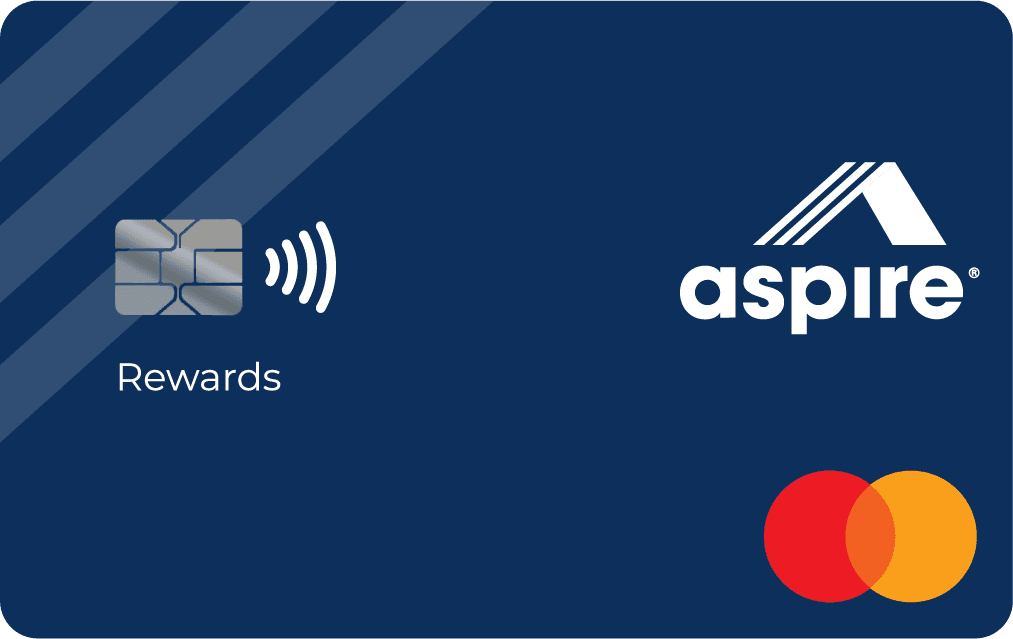
Aspire® Cash Back Rewards Mastercard
Aspire® Cash Back Rewards Mastercard. Prequalify* For Up To $1000 Credit Limit. No security deposit. Packed with great benefits, it’s designed to give you more flexibility—and purchasing power—along with up to 3% cash back rewards!** Good anywhere Mastercard is accepted, it’s the go-to card for any lifestyle.
Standout feature
Up to 3% cashback rewards**
Fees
$85–$175 first year, $229 thereafter (maintenance fees already included)
Pros
No Deposit Required. Prequalify* for up to $1000 credit limit
Cons
High APR, 36% Fixed.
Another path is to pay over time on purchases you already plan to make. The Perpay Credit Card pairs a shopping marketplace with installment payments that can be reported to the bureaus, which may help if a traditional card feels out of reach. It can be a softer on-ramp than a high-fee niche card, and weighing a credit-builder card versus a secured card can help you decide which approach fits.
If you are still deciding between a deposit card and a no-deposit option, our guide on credit cards that build credit without a deposit breaks down the trade-offs.
Perpay Credit Card
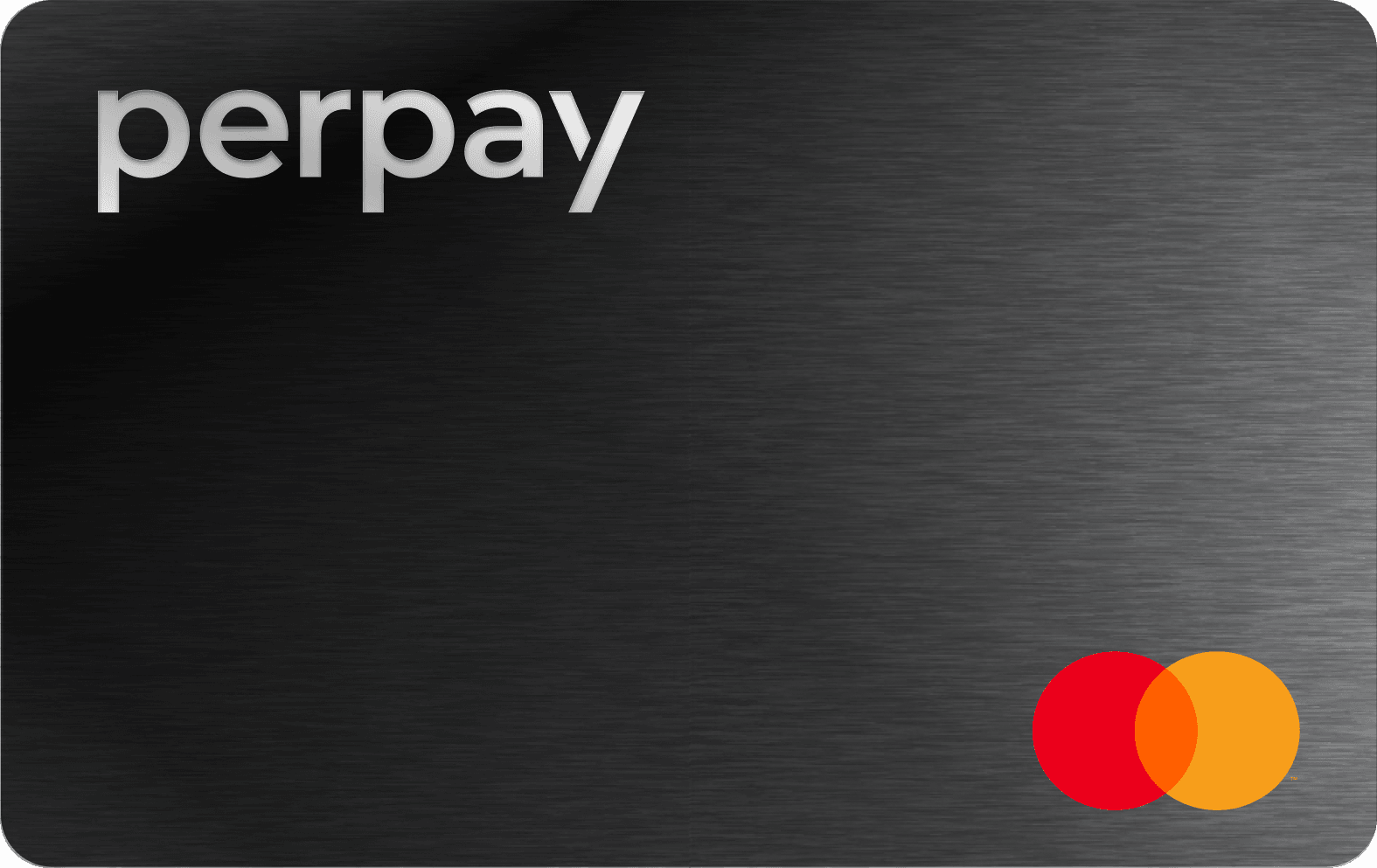
Perpay Credit Card
Meet the only card powered by your paycheck. With automatic transfers from your paycheck, you can manage payments stress-free and build credit with ease.
Fee
$9/month plus $9 account opening fee
APR
Marketplace: 0% / Credit Card: 27.74% to 29.99% depending on your creditworthiness.
Minimum Deposit Amount
$0
Credit Check
No
Cashback
2% reward on purchases made in Perpay Marketplace
Benefit
2% rewards, no security deposit
Watch the fees on niche cards
Unusual perks tend to come with a price. The Atlas Card's $1,000 annual fee only makes sense if you will use the lounge access and concierge perks heavily. The Made card's mortgage rewards only matter if you carry a mortgage and spend in the bonus categories.
Before you chase a feature, run the math. If a card charges an annual fee, estimate the rewards or perks you will realistically use in a year. If they do not clearly beat the fee, a simple secured credit card or a no-fee starter card may serve you better.
Also watch the APR. Carrying a balance can erase rewards fast. If you tend to carry a balance, a low ongoing APR matters more than perks. A budgeting tool like the Current Build Card can help you spend within a set amount while still building history.
Current Build Card
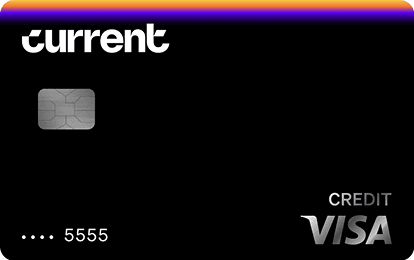
Current Build Card
$0 annual fee. No minimum deposit required. No credit check required. 1 point per dollar on eligible categories. Reports to Experian, TransUnion, Equifax.
Fee
$0
APR
0%
Minimum Deposit Amount
$0
Credit Check
No
Cashback
1 point/dollar on eligible categories (with qualifying payroll deposit)
Benefit
No credit check, no deposit minimum
How approval typically works
Approval rules depend on the branded program, not on Lead Bank as a whole. A luxury charge card like Atlas screens for high spenders and strong credit. A credit-building card may accept thinner files and lower scores, sometimes in the low-to-mid 600s, though requirements vary.
Some cards offer a prequalification check with a soft pull, which lets you see your odds without hurting your score. Others run a hard pull at application. If you are early in your credit journey, knowing how long it takes to get a credit score after your first card can set realistic expectations.
The bottom line
There is no one "Lead Bank credit card" to apply for. Lead Bank is the bank behind several very different fintech cards. To make a smart choice, identify the specific branded card, read its Rate and Fee Summary, confirm which bureaus it reports to, and compare it against simpler starter cards. If your real goal is building credit, a straightforward cash-back or secured option may beat a niche product with a big fee.
Frequently Asked Questions
Is Lead Bank a real, legitimate bank?
Yes. Lead Bank is a community bank based in Kansas City, Missouri, that also operates as a financial technology company. It is a chartered bank, and it partners with fintech brands to issue cards and accounts on their behalf.
Why does Lead Bank appear on my credit card?
Lead Bank acts as the sponsor or issuing bank for cards that carry another company's brand. The fintech designs the card and app, while Lead Bank handles the regulated banking side, so its name can show up on your statement or card paperwork.
Does a Lead Bank-issued card build credit?
It depends on the specific card. Some Lead Bank-backed cards report to all three credit bureaus, which can help build credit when you pay on time, while others may not report. Always confirm the card's reporting before applying.
How do I find the APR and fees for a Lead Bank card?
Read the branded card's Rate and Fee Summary or Schumer Box on its application page, which lists the purchase APR, annual fee, and other charges. You can also look up the full cardholder agreement in the CFPB credit card agreement database at consumerfinance.gov.