You got a mailer or a pre-approval offer for the Mercury credit card and now you are wondering whether it is worth it. A card with no annual fee sounds great, but the details matter. Here is a clear, verified look at what the Mercury credit card offers, who can actually get it, and what to do if you are not there yet.
Key Facts at a Glance
| Issuer | First Bank & Trust (Brookings, SD), managed by Mercury Financial |
| Network | Mastercard (usable anywhere Mastercard is accepted) |
| Annual fee | $0 to $79 depending on the version and offer |
| Purchase APR | 27.24% to 29.24% variable |
| Penalty APR | None published |
| Intro APR | None |
| Rewards | Rewards versions: 1 point per $1 (about 1% back). Non-rewards versions: none |
| Welcome bonus | None published (invitation-only) |
| Foreign transaction fee | 3% |
| Balance transfer fee | 4% (minimum $5) |
| Credit limit | Typically about $500 to start; some report up to $5,000 |
| Credit score | Typically 640+ (fair credit) |
| Reports to | Experian, TransUnion, Equifax (monthly) |
Figures are as of June 2026 and vary by your specific mailed offer.
What the Mercury Credit Card Is
The Mercury Mastercard is an unsecured card issued by First Bank & Trust of Brookings, South Dakota, and managed by Mercury Financial. It is a true Mastercard, so it works anywhere Mastercard is accepted, not just at one store. It is built for everyday spending with no security deposit, aimed at people with fair credit who are establishing or rebuilding.
One thing sets it apart: Mercury is invitation-only. First Bank & Trust lets you apply only if you receive a reservation code in the mail. There is no public application and no published welcome bonus, so if you did not get a mailer, this is not a card you can simply go sign up for today.
APR and Fees
As of June 2026, the Mercury Mastercard's terms show:
- Purchase APR: 27.24% to 29.24% variable. Your exact rate is set with your specific offer.
- Annual fee: $0 up to $79 depending on the version and offer. The no-fee version is common; rewards versions can carry a fee.
- Foreign transaction fee: 3%.
- Balance transfer fee: 4% (minimum $5).
- Intro/0% APR: none.
- Penalty APR: none published, though late payments can still trigger late fees and credit damage.
The card reports to all three major bureaus (Experian, TransUnion, Equifax) monthly, which is what makes it useful for building history. A high-20s APR means carrying a balance is expensive, so pay in full each month to keep this card cheap.
How the Rewards Work
Rewards depend on the version you are invited to. Rewards versions earn 1 point per $1 spent, worth about 1% back, and you typically need to reach a points threshold before you can redeem. Non-rewards versions earn nothing and focus purely on access and credit building. A flat 1% is fine but not rich. Mercury's appeal is less about big rewards and more about being a no-deposit, go-anywhere Mastercard for the right invited applicant.
Credit Limit and Who Qualifies
Because it is invitation-only, the first gate is receiving a reservation code. Beyond that, reported approvals typically start around a 640 FICO score, which falls in what counts as fair credit. The starting credit limit is typically about $500, though some cardholders report limits up to $5,000 depending on income and credit profile. Limits can grow with on-time payments over time. A pre-approval offer means you cleared an early screen, not that you are fully approved; the final decision still depends on your full profile, so it helps to understand how credit card application denials work. If your score sits in that band, compare the best unsecured credit cards for average credit before you commit.
Who Should Use It, and Who Should Skip It
Use it if you received an invitation, have at least fair credit, want a no-deposit Mastercard, and will pay in full. In that case the no-annual-fee version with simple 1% rewards is a reasonable everyday card.
Skip it, or build first, if you did not get a mailer, your credit is below the mid-600s, or you would be tempted to carry a balance at a 27.24% to 29.24% APR.
What to Do If You Cannot Get Mercury Yet
If you were not invited or your credit is not ready, the path is to build history, then qualify. The closest like-for-like to Mercury is the Aspire Cash Back Rewards Mastercard: unsecured, no deposit, prequalifies for up to a $1,000 limit with no hard pull at prequalification, accepts 580+ FICO, reports to all three bureaus, and pays up to 3% cash back.
Aspire® Cash Back Rewards Mastercard

Aspire® Cash Back Rewards Mastercard
Aspire® Cash Back Rewards Mastercard. Prequalify* For Up To $1000 Credit Limit. No security deposit. Packed with great benefits, it’s designed to give you more flexibility—and purchasing power—along with up to 3% cash back rewards!** Good anywhere Mastercard is accepted, it’s the go-to card for any lifestyle.
Standout feature
Up to 3% cashback rewards**
Fees
$85–$175 first year, $229 thereafter (maintenance fees already included)
Pros
No Deposit Required. Prequalify* for up to $1000 credit limit
Cons
High APR, 36% Fixed.
If you would rather build with a dedicated credit-builder product, the Current Build Card links everyday purchases to a credit-building account with a $0 deposit minimum, no credit check, and a $0 annual fee, reporting to all three bureaus.
Current Build Card
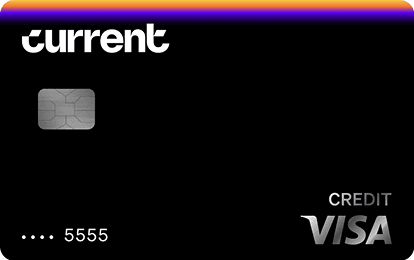
Current Build Card
$0 annual fee. No minimum deposit required. No credit check required. 1 point per dollar on eligible categories. Reports to Experian, TransUnion, Equifax.
Fee
$0
APR
0%
Minimum Deposit Amount
$0
Credit Check
No
Cashback
1 point/dollar on eligible categories (with qualifying payroll deposit)
Benefit
No credit check, no deposit minimum
Use either for several months with small, on-time payments and your odds of a card like Mercury improve. Monitor your progress free with Creditship.ai. Terms and conditions apply, and APRs vary by creditworthiness.
Frequently Asked Questions
How do I apply for the Mercury credit card?
You cannot apply on demand. The Mercury Mastercard from First Bank & Trust is invitation-only: you can apply only if you receive a reservation code in the mail. If you did not get a mailer, building your credit first improves your chances of a future invitation.
What is the APR on the Mercury credit card?
As of June 2026, the purchase APR is 27.24% to 29.24% variable, with your exact rate set by your specific offer. It also carries a 3% foreign transaction fee and a 4% balance transfer fee, and there is no 0% intro period. A high-20s APR makes paying in full each month the smart approach.
What credit score and limit can I expect with the Mercury credit card?
Reported approvals typically start around a 640 FICO score. The starting credit limit is typically about $500, though some cardholders report limits up to $5,000 depending on income and credit profile, and limits can grow with on-time payments.
What if I cannot get Mercury yet?
Build credit first with a card you can apply for directly. The Aspire Mastercard is the closest unsecured like-for-like, and the Current Build Card is a no-deposit credit builder. Pay on time, keep balances low, and your odds of a Mercury invitation improve over several months.

Firstcard was founded in 2020 by Kenji Niwa, an immigrant founder who was turned down for his first U.S. credit card because he had no credit score. So he set out to build the card he couldn't get. Firstcard launched its own card, the Firstcard Secured Credit Builder Card. The program received more than 250,000 applications and served tens of thousands of cardholders. In February 2026, Firstcard became a marketplace for financial products, with the same mission: to help people build credit and reach financial freedom. Today we compare credit cards, cash advance apps and credit builders, so you can choose the right one with confidence. This editorial team is led by Chief Editor Kenji Niwa. We check fees, APRs and terms against each provider's own documents and note the date we checked. We also interview real users and the companies that offer credit cards and loans. Our ratings use the same standards whether or not Firstcard earns money from a product. Full profile and latest articles →