Both the Milestone and Indigo Mastercards can charge you $175 in the first year before you have bought a single thing. That is the reality of these subprime rebuilding cards, and it is why comparing them carefully matters more than usual.
The two cards look almost identical because they are run by the same servicer, Concora Credit, and target the same shopper: someone with poor or limited credit who wants an unsecured card with no deposit. Here is how they actually differ as of June 2026.
Key facts at a glance
| Feature | Milestone Mastercard | Indigo Mastercard |
|---|---|---|
| Issuing bank | The Bank of Missouri | Celtic Bank |
| Servicer | Concora Credit | Concora Credit |
| Network | Mastercard | Mastercard |
| Annual fee | $175 first year, then $49 | $0 to $175, varies by offer |
| Monthly fee | $0 year one, then $12.50/mo | $0 to $12.50/mo, varies |
| Purchase APR | 35.9% | 35.9% |
| Starting limit | About $700 | $300 to $1,000 |
| Rewards | None | None |
| Reports to bureaus | Equifax, Experian, TransUnion | Equifax, Experian, TransUnion |
Fees and limits are assigned based on creditworthiness. Terms and conditions apply.
The fees are the whole story
Neither card earns rewards, so the cost is what counts. The Milestone Mastercard typically charges a $175 annual fee in year one, drops to $49 after that, and adds a $12.50 monthly fee starting in the second year. That second-year monthly fee adds $150 a year on top of the $49.
The Indigo Mastercard works the same way, but Concora assigns one of several fee tiers when you apply. Some applicants get a $0 annual fee, others get $75, $99, or up to $175, sometimes with a monthly fee added later. You do not choose your tier; it depends on your credit profile.
APR and credit limits
Both cards carry a 35.9% purchase APR with no introductory period, which is near the top of what credit cards charge. If you carry a balance, the interest stacks quickly, so these cards work best when you pay in full every month.
Credit limits start small. Milestone usually opens around $700, and the first-year annual fee is deducted from that limit right away, leaving roughly $525 available. Indigo limits range from $300 to $1,000 depending on your assigned offer.
Before you accept either, look at a no-fee alternative. The Aspire Cash Back Rewards Mastercard is an unsecured card with no security deposit, prequalification up to a $1,000 limit, up to 3% cash back, and reports to all three bureaus. That means you build credit while earning rewards instead of paying $175 for nothing.
Aspire® Cash Back Rewards Mastercard
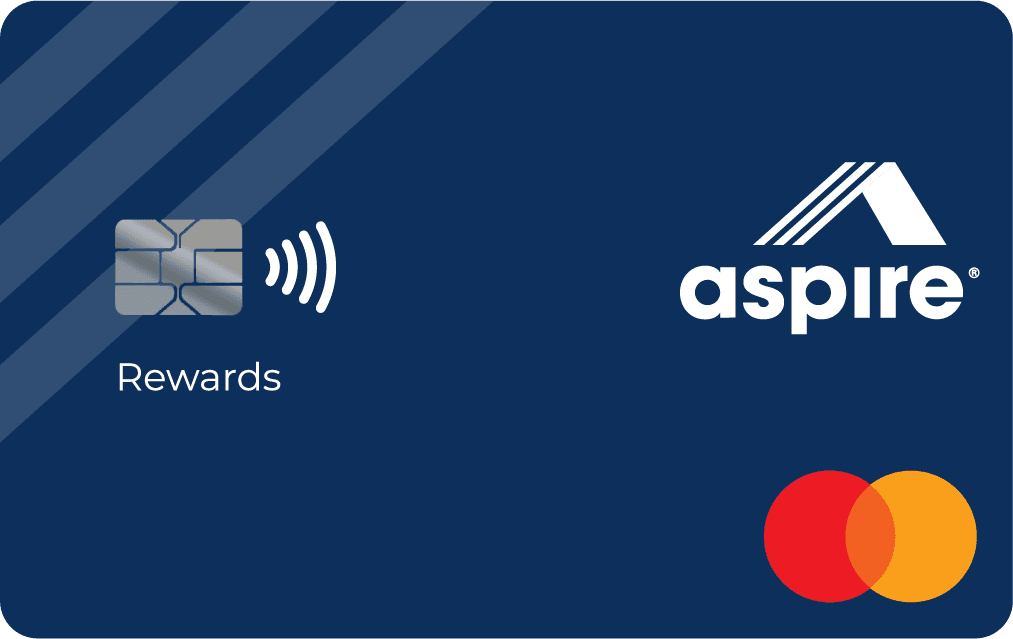
Aspire® Cash Back Rewards Mastercard
Aspire® Cash Back Rewards Mastercard. Prequalify* For Up To $1000 Credit Limit. No security deposit. Packed with great benefits, it’s designed to give you more flexibility—and purchasing power—along with up to 3% cash back rewards!** Good anywhere Mastercard is accepted, it’s the go-to card for any lifestyle.
Standout feature
Up to 3% cashback rewards**
Fees
$85–$175 first year, $229 thereafter (maintenance fees already included)
Pros
No Deposit Required. Prequalify* for up to $1000 credit limit
Cons
High APR, 36% Fixed.
What both cards do well
The one genuine benefit is the same for both. The Milestone and Indigo Mastercards report to all three major credit bureaus: Equifax, Experian, and TransUnion. On-time payments can help you build a positive history.
Both are also unsecured, so you do not tie up cash in a deposit the way a secured card requires. For someone who cannot spare a few hundred dollars upfront, that is the appeal.
Still, you are paying steep fees for that convenience. A no-credit-check option can do the same job without the cost. Perpay is powered by your paycheck — no security deposit, shop and pay over time while it reports to all three bureaus, members see an average 32-point increase. It is a way to build history without handing over an annual fee.
Perpay Credit Card
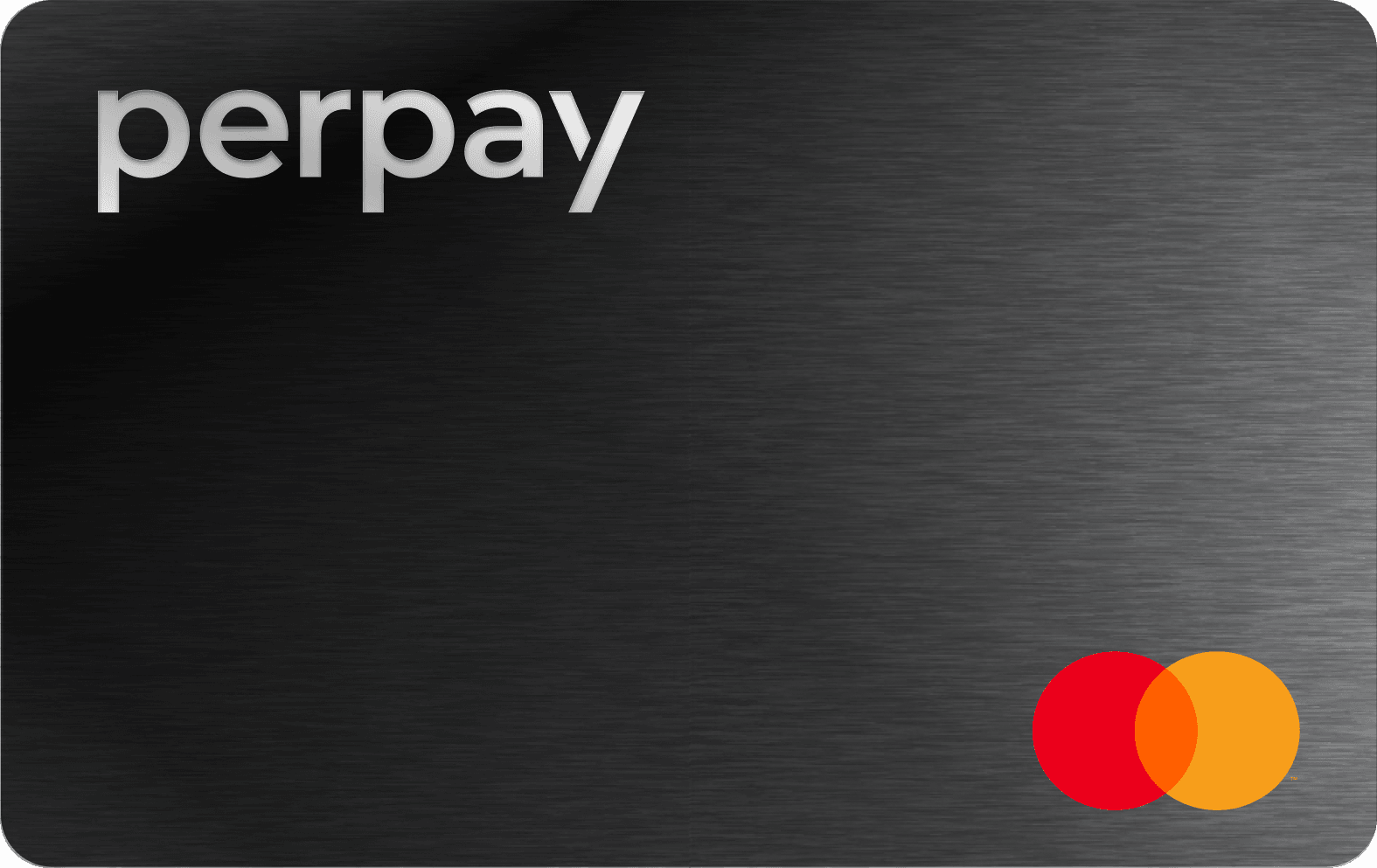
Perpay Credit Card
Meet the only card powered by your paycheck. With automatic transfers from your paycheck, you can manage payments stress-free and build credit with ease.
Fee
$9/month plus $9 account opening fee
APR
Marketplace: 0% / Credit Card: 27.74% to 29.99% depending on your creditworthiness.
Minimum Deposit Amount
$0
Credit Check
No
Cashback
2% reward on purchases made in Perpay Marketplace
Benefit
2% rewards, no security deposit
Which one should you pick
If you are choosing only between these two, the answer depends on the offer you are shown. If your Indigo offer comes with a $0 or low annual fee, it usually beats Milestone, whose fees are more rigid and add up to roughly $200 a year by year two. You can check the Indigo Mastercard review for the full fee breakdown.
If both cards quote you the full $175 first-year fee, there is little reason to prefer one over the other. At that point, a no-fee builder card almost always makes more sense.
The Arro Card is one such option. It is an unsecured starter card with no deposit and no hard credit check; start with a limit up to $300 that grows toward $2,500 via in-app tasks, reports to all three bureaus. With no annual fee and no 35.9% APR hanging over a carried balance, it makes a cleaner long-term tool than either subprime card.
Arro Card
Arro Card
No deposit. No hard credit check. Start with up to $300 and grow your credit line to $2,500 by completing in-app tasks. Earn 1% cash back on gas and groceries, including Walmart and Target.
Standout feature
Unsecured, no deposit required
Fees
Up to $60 a year membership
Pros
1% cash back on gas & groceries
Cons
Starting credit limit up to $300
Frequently Asked Questions
Are Milestone and Indigo the same card?
No, but they are close cousins. Both are unsecured subprime Mastercards serviced by Concora Credit with the same 35.9% APR and similar fee structures. The main difference is the issuing bank: Milestone is issued by The Bank of Missouri and Indigo by Celtic Bank.
Do these cards build credit?
Yes. Both the Milestone and Indigo Mastercards report to all three major credit bureaus, so paying on time each month can help build a positive credit history. The drawback is the high fees you pay for that reporting.
Why is the APR so high on both?
Both cards carry a 35.9% purchase APR because they are designed for applicants with poor or limited credit, who lenders view as higher risk. To avoid interest, pay your full balance every month rather than carrying one.
Is there a cheaper way to rebuild credit?
Yes. No-fee unsecured cards, paycheck-based options, and credit-builder cards can report to the bureaus without charging $175 a year. Building positive history at a lower cost often makes more sense than accepting a subprime card with heavy fees. If you are starting over, a secured credit card is one low-cost way to rebuild step by step.

The Firstcard team writes simple, research-backed guides on credit, cards, and credit building. Firstcard has been helping people build credit and save money since 2020. Full profile and latest articles →