No credit history, no Social Security number, no problem — that is Neu Money's pitch. Neu (pronounced "new") targets a specific group that most card issuers ignore: international students, recent arrivals to the U.S., and anyone just starting their credit journey. Two card options exist, and picking the wrong one can cost you $84 a year for nothing. Here is what you need to know as of June 2026.
Key Facts at a Glance
| Feature | Neu Card 1 | Neu Card 2 |
|---|---|---|
| Issuer | Cross River Bank | Cross River Bank |
| Network | Visa (open-loop) | Visa (open-loop) |
| Annual/Monthly Fee | $84/yr ($7/mo) | None |
| Purchase APR | 0% (no interest) | 26.99%–29.99% variable |
| Rewards | 3% cash back on airfare | 3% cash back on airfare |
| Welcome Bonus | None | None |
| Starting Credit Limit | $350+ | $350+ |
| Max Credit Limit | Up to $1,000 | Up to $2,500 |
| SSN Required? | No (ITIN accepted) | No (ITIN accepted) |
| Reports to Bureaus | TransUnion, Experian (Equifax unconfirmed) | TransUnion, Experian (Equifax unconfirmed) |
| Score Needed | No minimum stated | No minimum stated |
What Is Neu Card?
Neu Card is a Visa credit card issued by Cross River Bank, with Neu Money, Inc. as the program manager. It is available via the Neu Money app (iOS and Android). The card is specifically built for people who cannot get a traditional credit card — either because they have no U.S. credit history, no Social Security number, or both.
Unlike a secured card, Neu does not require you to deposit money upfront as collateral. You get a real Visa card, accepted wherever Visa is accepted in the U.S. and internationally. The trade-off is that credit limits start low — at $350 — and the card does not offer a graduation path to a standard credit card once your score improves. If you need a personal loan alongside your credit-building journey and hold an ITIN, see our guide to the best personal loans with an ITIN number for lenders that accept non-SSN borrowers.
Neu Card 1: The 0% APR Option
Neu Card 1 charges $7 per month ($84 per year) and in exchange carries a permanent 0% APR — no interest, ever, on any balance you carry. This is a meaningful benefit if you know you will occasionally carry a balance and want to avoid the compounding cost of 27%+ interest.
The maximum credit limit on Card 1 grows to $1,000 after six months of responsible use. Neu reviews accounts monthly after that point for automatic increases. The $84 annual cost is the honest downside: if you pay your balance in full every month, you get no benefit from the 0% APR and lose $84 relative to Card 2.
Neu Card 2: The No-Fee Option
Neu Card 2 has no annual or monthly fee, making it the default choice for borrowers who plan to pay in full every month. The purchase APR ranges from 26.99% to 29.99% variable — above average, but typical for a credit-builder card with no score requirement.
Card 2's maximum credit limit is $2,500, higher than Card 1. Starting limits are $350 and up for both. After six months of on-time payments, Neu reviews your account monthly and may raise your limit automatically.
Rewards: 3% on Airfare Only
Both Neu cards earn 3% cash back on airfare purchases. That is the full rewards program. Earlier versions of the card offered 1.25% back on all purchases, but that structure was removed. If you are a student who occasionally books flights home, the 3% rate is genuinely useful. For everyday groceries, gas, or restaurants, you earn nothing. This is a meaningful limitation compared to cards that earn flat cash back across categories.
Who Should Consider Neu Card
Neu Card makes the most sense for:
- International students without a U.S. SSN or credit file who need to start building U.S. credit
- Recent immigrants who need a Visa card accepted at everyday merchants
- First-time credit users who want a card with no deposit and no minimum score requirement
It makes less sense if you already have any U.S. credit history — at that point, other unsecured starter cards may offer better rewards and a clearer upgrade path. The credit unions vs big banks secured card terms comparison breaks down how starter card terms differ across institution types, which matters once you are ready to graduate from a starter card.
Honest Drawbacks
Neu does not currently offer a graduation path. Once you outgrow the $1,000 or $2,500 limit, there is no automatic upgrade to a premium Visa product within the Neu ecosystem. You would need to apply for a new card elsewhere, which means another hard pull.
Credit bureau reporting as of June 2026 covers TransUnion and Experian per multiple sources, though one 2025 review noted Equifax was not included. Neu's official site and NerdWallet's 2026 review both state three-bureau reporting — confirm this at neumoney.app before applying if Equifax coverage matters to your credit goals.
Alternatives Worth Considering
If approval is a concern because you are just starting your credit journey, an unsecured starter card may give you more flexibility and a clearer path. For example, the Aspire Cash Back Rewards Mastercard is an unsecured card with no security deposit, prequalification up to a $1,000 limit, up to 3% cash back, and reports to all three bureaus.
Aspire® Cash Back Rewards Mastercard
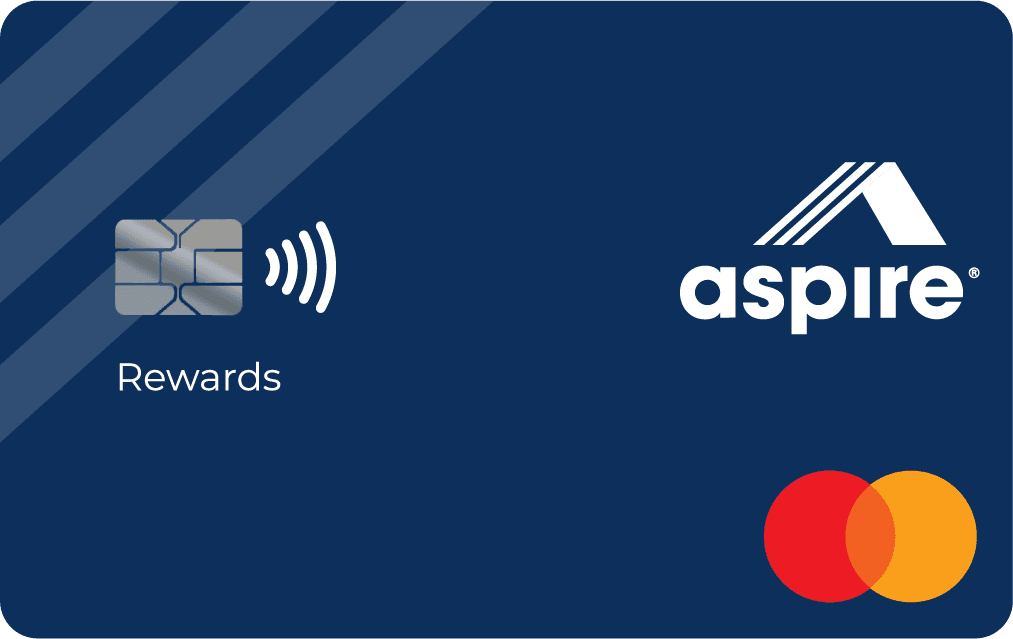
Aspire® Cash Back Rewards Mastercard
Aspire® Cash Back Rewards Mastercard. Prequalify* For Up To $1000 Credit Limit. No security deposit. Packed with great benefits, it’s designed to give you more flexibility—and purchasing power—along with up to 3% cash back rewards!** Good anywhere Mastercard is accepted, it’s the go-to card for any lifestyle.
Standout feature
Up to 3% cashback rewards**
Fees
$85–$175 first year, $229 thereafter (maintenance fees already included)
Pros
No Deposit Required. Prequalify* for up to $1000 credit limit
Cons
High APR, 36% Fixed.
Another option that does not depend on a deposit is Perpay. Perpay is powered by your paycheck — no security deposit, shop and pay over time while it reports to all three bureaus, members see an average 32-point increase.
Perpay Credit Card
Perpay Credit Card
Meet the only card powered by your paycheck. With automatic transfers from your paycheck, you can manage payments stress-free and build credit with ease.
Fee
$9/month plus $9 account opening fee
APR
Marketplace: 0% / Credit Card: 27.74% to 29.99% depending on your creditworthiness.
Minimum Deposit Amount
$0
Credit Check
No
Cashback
2% reward on purchases made in Perpay Marketplace
Benefit
2% rewards, no security deposit
If you prefer a low-barrier entry point with a small credit line to start that grows over time, the Arro Card is an unsecured starter card with no deposit and no hard credit check; start with a limit up to $300 that grows toward $2,500 via in-app tasks, reports to all three bureaus.
Terms and conditions apply to all cards mentioned. APRs vary by creditworthiness.
Arro Card
Arro Card
No deposit. No hard credit check. Start with up to $300 and grow your credit line to $2,500 by completing in-app tasks. Earn 1% cash back on gas and groceries, including Walmart and Target.
Standout feature
Unsecured, no deposit required
Fees
Up to $60 a year membership
Pros
1% cash back on gas & groceries
Cons
Starting credit limit up to $300
Next Steps
If you lack a U.S. credit history or SSN and need a Visa card now, Neu Card 2 is the stronger starting point — no fee, same $350+ starting limit, and a higher $2,500 ceiling. Choose Neu Card 1 only if you are confident you will carry a balance monthly and the 0% APR justifies the $84 annual cost. Apply at neumoney.app or via the Neu Money app on iOS or Android. Once your credit score improves and you are ready for your next card, how to start a credit card covers the progression from starter cards to mainstream products.
Frequently Asked Questions
Do I need a Social Security number to get the Neu Card?
No. Neu Money accepts ITIN (Individual Taxpayer Identification Number) in place of an SSN, making it one of the few U.S. credit cards available to international students and recent immigrants without an established SSN. You do need a valid U.S. address to apply.
What credit score do I need to qualify for the Neu Card?
Neu does not publish a minimum credit score requirement. The card is designed for borrowers with no U.S. credit history at all, so it is possible to qualify with a thin or zero credit file. However, Neu may still consider other factors such as income and banking history.
Does Neu Card report to all three credit bureaus?
Neu Money's official site and NerdWallet's 2026 review both indicate reporting to TransUnion, Experian, and Equifax. A 2025 review noted only two bureaus at that time. Confirm the current reporting status at neumoney.app before applying if three-bureau reporting is a priority.
What happens to my Neu Card after my credit improves?
Neu does not currently offer an automatic upgrade path to a higher-tier card. Once your credit score improves and you want more rewards or higher limits, you will need to apply for a new card from a different issuer. That will involve a new hard inquiry. Many borrowers use Neu as a starter card for six to twelve months, then apply for a traditional card once they have a U.S. credit history established.

The Firstcard team writes simple, research-backed guides on credit, cards, and credit building. Firstcard has been helping people build credit and save money since 2020. Full profile and latest articles →