Thinking about opening a QVC credit card to spread out your shopping payments? Before you apply, it helps to know exactly what you are signing up for. The QVC credit card can make checkout feel easier, but its high APR, deferred-interest financing, and store-only design mean it is not always the best tool for building credit or saving money.
This review breaks down the QVC credit card fees, APR, rewards, and financing in plain English, using the card's official Synchrony Bank agreement filed with the CFPB. Every fact below is current as of June 2026.
Key Facts at a Glance
| Issuer | Synchrony Bank |
| Network | Store-only (closed-loop); QVC and sister retailer HSN |
| Annual fee | $0 |
| Purchase APR | 33.24% variable (prime + 26.49%, capped at 39.99%) |
| Penalty APR | Up to 39.99% variable (prime + 36.49%) |
| Rewards | None (no cash back or points); QCard VIP perks only |
| Welcome offer | No sign-up bonus; deferred-interest financing on purchases of $299+ |
| Other fees | $1.99/mo paper statement; late up to $41; returned payment up to $41; $2.00 minimum interest |
| Credit limit | Reported average around $2,491; common starting lines near $1,000 |
| Credit score | Typically 640+ (fair) |
| Reports to | Experian, TransUnion, and Equifax |
What Is the QVC Credit Card?
The QVC credit card, sometimes called the QCard, is a store credit card issued by Synchrony Bank. It is designed for purchases at QVC, both online and through the QVC shopping channel, and it can also be used at sister retailer HSN.
Because it is a private-label store card, you generally cannot use it everywhere like a regular Visa or Mastercard. That limits its usefulness if you want one card for everyday spending. It carries no rewards program, so there is no cash back or points. The QCard's perks are loyalty-based: VIPs get Easy Pay Every Day and more than 12 VIP Savings Events per year.
QVC Credit Card Fees and APR
The QVC credit card has no annual fee, so you will not pay a yearly charge to keep the account open. The interest, though, is steep.
According to the Synchrony agreement, as of January 1, 2026 the purchase APR is 33.24% (prime plus 26.49%, capped so it will not exceed 39.99%). A penalty APR of up to 39.99% (prime plus 36.49%) can apply if Synchrony does not receive your minimum payment by the due date two or more times in 12 billing cycles, and it can stay in effect indefinitely. Other fees from the agreement: a $1.99 monthly paper statement fee, a late payment fee of up to $41, a returned payment fee of up to $41, and a $2.00 minimum interest charge in any cycle you owe interest.
That high APR can quickly erase any savings from a special offer if you carry a balance. For context, see how this compares to the average credit card interest rate. APRs vary with the prime rate, and terms and conditions apply.
Deferred Interest: Read the Fine Print
The QVC credit card's main draw is promotional financing, often advertised as no interest if paid in full within 9, 12, or 18 months on select purchases of at least $299. These are deferred interest plans, not true 0% offers.
With deferred interest, the agreement charges interest from the original purchase date and holds it in the background. If you do not pay the full promo balance by the end of the window, all of that accrued interest is added to your statement at once. That can be a costly surprise. If you use one of these plans, paying it off well before the deadline is key. Knowing the best time to pay your credit card bill can help you stay ahead of the due date.
Approval and Credit Limit
Reported approvals typically start around a 640+ (fair) score, which is in line with the easiest department store credit cards to get with fair or bad credit. Synchrony assigns a credit limit at approval; the reported average is around $2,491, with common starting lines near $1,000 that can grow with on-time history. Your line depends on income, debt, and credit profile. The QCard reports to all three bureaus (Experian, TransUnion, and Equifax), so both on-time and late payments affect your score. For most people, a card that only works at one retail family, carries a 33.24% APR, and relies on deferred interest is not the strongest credit-building tool.
Lower-Cost Cards That Work Almost Anywhere
If you want a card that helps your score and works in more places, these alternatives may fit better. The first is the Aspire Cash Back Rewards Mastercard, which is an unsecured card with no security deposit, prequalification up to a $1,000 limit, up to 3% cash back, and reports to all three bureaus. See the Aspire Cash Back Rewards Mastercard below.
Aspire® Cash Back Rewards Mastercard
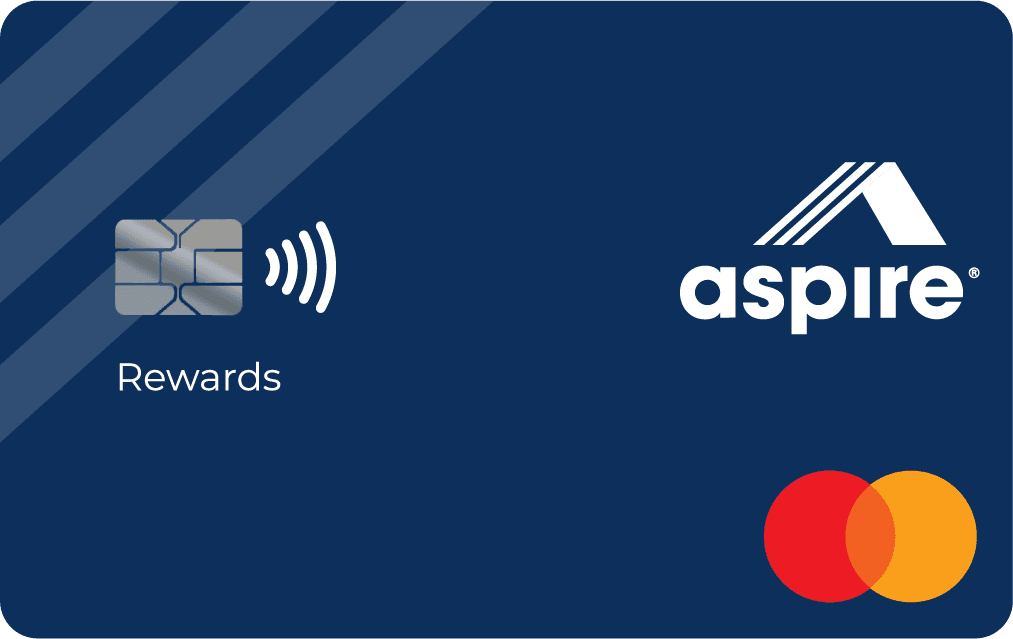
Aspire® Cash Back Rewards Mastercard
Aspire® Cash Back Rewards Mastercard. Prequalify* For Up To $1000 Credit Limit. No security deposit. Packed with great benefits, it’s designed to give you more flexibility—and purchasing power—along with up to 3% cash back rewards!** Good anywhere Mastercard is accepted, it’s the go-to card for any lifestyle.
Standout feature
Up to 3% cashback rewards**
Fees
$85–$175 first year, $229 thereafter (maintenance fees already included)
Pros
No Deposit Required. Prequalify* for up to $1000 credit limit
Cons
High APR, 36% Fixed.
Unlike the QVC card's store-only design, the next option works on your own terms. Perpay is powered by your paycheck — no security deposit, shop and pay over time while it reports to all three bureaus, members see an average 32-point increase. See Perpay below.
Perpay Credit Card
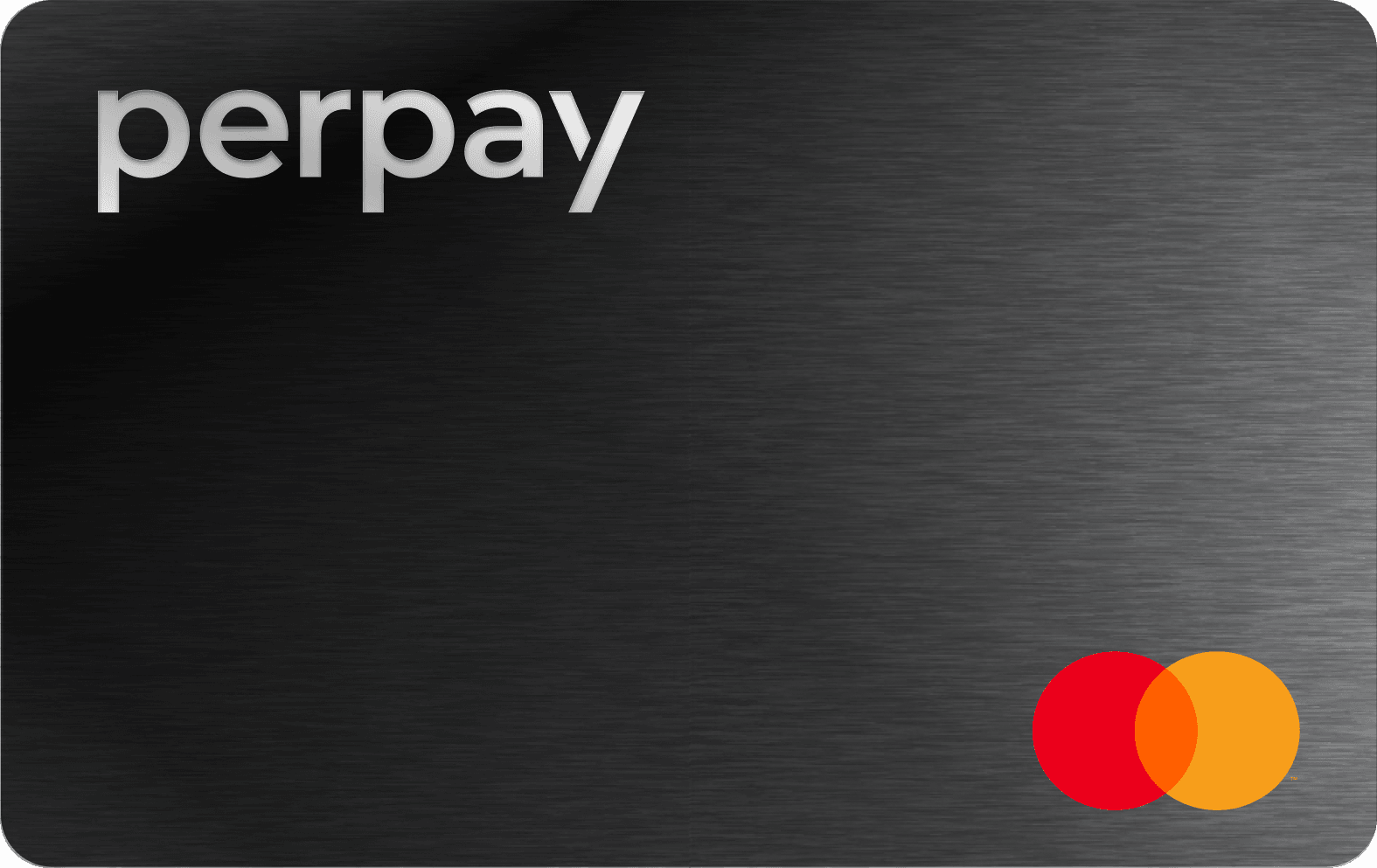
Perpay Credit Card
Meet the only card powered by your paycheck. With automatic transfers from your paycheck, you can manage payments stress-free and build credit with ease.
Fee
$9/month plus $9 account opening fee
APR
Marketplace: 0% / Credit Card: 27.74% to 29.99% depending on your creditworthiness.
Minimum Deposit Amount
$0
Credit Check
No
Cashback
2% reward on purchases made in Perpay Marketplace
Benefit
2% rewards, no security deposit
How These Compare to the QVC Credit Card
The biggest difference is flexibility. The QVC credit card works only at QVC and HSN, while these alternatives can be used far more widely, making them more useful for everyday credit building.
The second difference is cost. A 33.24% purchase APR plus deferred interest can be expensive if you ever carry a balance. Credit-builder products focus on lower-cost structures meant to help your score rather than profit from interest. You can also track your progress with Creditship.ai, which offers credit monitoring and guidance.
One more unsecured option rounds out the list. The Arro Card is an unsecured starter card with no deposit and no hard credit check; start with a limit up to $300 that grows toward $2,500 via in-app tasks, reports to all three bureaus. See the Arro Card below.
Arro Card
Arro Card
No deposit. No hard credit check. Start with up to $300 and grow your credit line to $2,500 by completing in-app tasks. Earn 1% cash back on gas and groceries — including Walmart and Target.
Standout feature
Unsecured — no deposit required
Fees
up to $60/ year
Pros
1% cash back on gas & groceries
Cons
Starting credit limit: $50–$300
Is the QVC Credit Card Worth It?
For a devoted QVC or HSN shopper who always pays in full, the no-annual-fee QVC credit card can be a convenient way to manage purchases. The 33.24% APR, deferred interest, and store-only limits make it a poor fit for anyone whose main goal is building credit or saving on interest. If you want a card that helps your score and works in more places, an unsecured credit-builder alternative is usually the smarter pick.
Frequently Asked Questions
What is the APR on the QVC credit card?
Per the Synchrony Bank agreement, as of January 1, 2026 the purchase APR is 33.24% (prime plus 26.49%), and a penalty APR of up to 39.99% can apply after missed payments. APRs vary with the prime rate but will not exceed 39.99%. There is no annual fee, but a $1.99 monthly paper statement fee and late fees up to $41 apply.
What credit score and limit can I expect?
Approvals typically start around a 640+ score. Synchrony assigns a limit at approval; the reported average is around $2,491, with common starting lines near $1,000. It reports to all three bureaus, so on-time payments may help your score over time.
Can I use the QVC credit card anywhere?
No. The QVC credit card is a private-label store card, so it is generally limited to purchases at QVC and HSN. For spending elsewhere, you would need a card on a major network like Visa or Mastercard.
Does the QVC credit card earn rewards?
No. The QCard has no cash-back or points program. Its benefits are loyalty perks like Easy Pay Every Day and access to more than 12 QCard VIP Savings Events per year, plus deferred-interest promotional financing on qualifying purchases of at least $299. Terms and conditions apply.