Running a business means watching every dollar and every receipt, and that is exactly the problem the Ramp card sets out to solve. It bundles a corporate charge card with software that tracks spending and flags waste automatically. This review covers exactly how the Ramp card works, what it costs, who qualifies, and one thing it cannot do: build your personal credit.
At Firstcard, we focus on making credit simple and transparent, so we will cover both sides of the Ramp card plainly. Freelancers in particular may also want to compare a dedicated credit card for freelancers that reports personal activity.
Key Facts at a Glance
| Issuer | Ramp (corporate charge card, runs on Visa) |
| Network | Visa, usable anywhere Visa is accepted |
| Annual fee | $0 |
| APR | None: charge card, paid in full each cycle, no interest |
| Rewards | Up to 1.5% cash back, set by Ramp, as statement credit |
| Welcome bonus | Varies; some 2026 offers up to $1,000, often no minimum spend |
| Foreign transaction | $0 FX fee; about 3% currency conversion on foreign-currency purchases |
| Other fees | No late fee or interest on the card; fees can apply for wires/same-day ACH |
| Typical limit | Based on your business cash balance, not a personal credit line |
| Credit score | No personal credit check or personal guarantee |
| Reports to bureaus | No: does not report to consumer bureaus |
All figures as of June 2026; confirm current terms on Ramp's site.
What Is the Ramp Card?
The Ramp card is a corporate charge card powered by Visa, paired with a spend-management platform. It is issued to registered businesses, not to individuals, and is aimed at companies that want tighter control over expenses and less manual bookkeeping. Because it runs on Visa, it is accepted anywhere Visa is, but it is a business product rather than a personal card.
Unlike a traditional credit card, a charge card requires you to pay the balance in full each statement period. There is no revolving balance and no interest on the card, because you are not meant to carry debt month to month.
Charge Card vs Credit Card
This distinction matters. A credit card lets you carry a balance and pay interest, while the Ramp card expects full payment every cycle. For a business with steady cash flow, that structure can encourage discipline. For someone who needs to spread out payments, it is not the right tool.
Ramp Card Fees and Rewards
The pricing is a major draw. As of June 2026, the Ramp card charges no annual fee and no foreign transaction fee, though a currency conversion fee of around 3% may apply on purchases made in a foreign currency.
On rewards, Ramp advertises up to 1.5% cash back on card spend, redeemable as a statement credit toward your next payment. The exact rate varies by customer and is set by Ramp, so it is not a fixed published number. There are no published reward caps or expiration dates; the value simply offsets your next statement. As of June 2026, Ramp does not charge late fees or interest on the card itself, since there is no revolving balance to carry. Certain payment-method fees can apply for things like wires or same-day ACH. Sign-up offers come and go; some 2026 promotions have run as high as $1,000, often with no minimum spend. Check Ramp's website for current rewards, fees, and any active offer.
Who Qualifies and What Limit to Expect
Ramp is built for established, registered businesses, not individuals. As of June 2026, eligibility generally requires a meaningful cash balance in a U.S. business bank account, with one commonly cited threshold around $25,000. Corporations, LLCs, and limited partnerships qualify; sole proprietorships and unregistered businesses generally do not, and there is usually no minimum revenue or time-in-business requirement.
Your spending limit is tied to your business cash on hand rather than a personal credit line, so it scales with your balances rather than a FICO score. Notably, the Ramp card typically does not require a personal credit check or personal guarantee. That can protect your personal credit, but it also means the card usually does not help you build a personal score.
Does the Ramp Card Build Personal Credit?
This is the key question for many readers. Because the Ramp card is a corporate product that often skips the personal credit check, it generally does not report to the consumer credit bureaus (Experian, TransUnion, or Equifax).
That is fine if your goal is business expense control. It is a problem if you are trying to raise your personal FICO score. Your personal credit still matters for renting an apartment, financing a car, or qualifying for a mortgage, and a business charge card will not move those numbers. If you are curious how fast a reporting card can move the needle, see the average credit score increase per month.
If building personal credit is your goal, you need a card that reports your activity to the consumer bureaus. That is a different category of product, and it is worth weighing the full range of credit card alternatives for building credit.
Is the Ramp Card Right for You?
If you run a registered business with solid cash flow and want to cut expense busywork, the Ramp card is a strong, low-cost option. Its software and no-fee structure are genuinely useful, and skipping a personal guarantee can be a real plus. But if your real goal is rebuilding personal credit, the Ramp card will not get you there on its own. If you are unsure which fits, our guide to finding the best credit card for me can help.
Building Personal Credit Alongside Your Business
Many business owners need to build personal credit at the same time the company runs on a tool like Ramp. Because Ramp does not report to the consumer bureaus, a card that does can run in parallel and cover the gap.
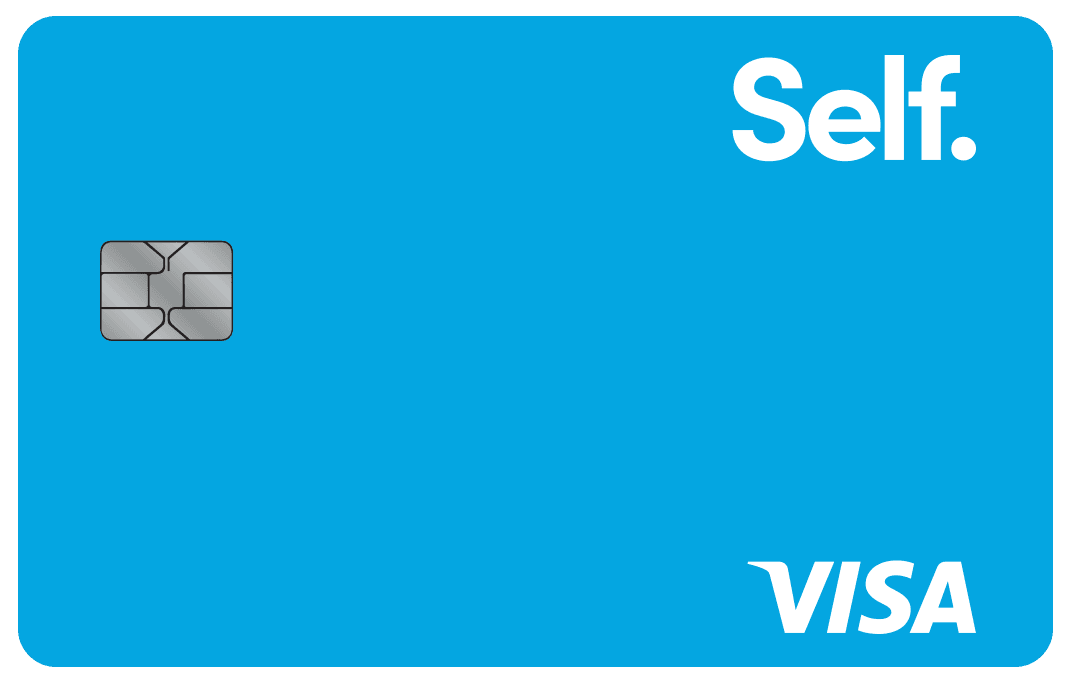
The Self Visa® Credit Card combines a credit-builder account with a secured card, so you build savings and a payment history together. It reports to the major bureaus, which makes it a strong fit for a business owner who wants to grow a personal score and a cash cushion at the same time.
If you would rather build credit through everyday spending instead of a savings plan, the Current Build Card ties credit building to a normal spending account. It reports to all three bureaus with no credit check and no minimum deposit, so routine purchases can build history while you run the business.
Current Build Card
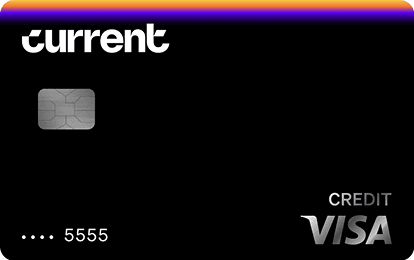
Current Build Card
$0 annual fee. No minimum deposit required. No credit check required. 1 point per dollar on eligible categories. Reports to Experian, TransUnion, Equifax.
Fee
$0
APR
0%
Minimum Deposit Amount
$0
Credit Check
No
Cashback
1 point/dollar on eligible categories (with qualifying payroll deposit)
Benefit
No credit check, no deposit minimum
Either card can run alongside the Ramp card so your business and personal credit grow at once. For free credit monitoring while you build, Creditship.ai can help you track your score over time. Terms and conditions apply, and APRs vary by creditworthiness.
Frequently Asked Questions
Does the Ramp card charge an annual fee?
As of June 2026, the Ramp card charges no annual fee and no foreign transaction fee. A currency conversion fee of around 3% may apply on foreign-currency purchases, and certain payment-method fees can apply for wires or same-day ACH. Check Ramp's website for current fee details.
Does the Ramp card require a personal credit check?
The Ramp card typically does not require a personal credit check or personal guarantee, which is one of its selling points. Qualification is based on business factors like cash balances, generally around $25,000 in a U.S. business account, and your limit scales with those balances. Because of this, it usually does not affect your personal credit either way.
Can the Ramp card build my personal credit?
Generally no, because it is a corporate charge card that often does not report to Experian, TransUnion, or Equifax. To build personal credit, you typically need a card that reports your activity, such as the Self Visa® Credit Card or the Current Build Card. Terms and conditions apply.
Is the Ramp card a credit card or a charge card?
The Ramp card is a charge card, which means you pay the full balance each statement period rather than carrying a revolving balance. As of June 2026, it does not charge interest on the card. This structure suits businesses with steady cash flow.