If you remember filling a cart at Toys R Us and paying with a store card, you are not alone. Many parents and grandparents used the Toys R Us credit card for toys, baby gear, and holiday shopping. But a lot has changed, and that card is not what it used to be.
Here is a clear look at what happened to the Toys R Us credit card, why store cards can be limiting, and which flexible cards can cover toy and baby spending today while helping you build credit you can use anywhere.
Key Facts at a Glance
| Issuer | Historically Synchrony Bank |
| Network | Store-only (closed-loop); program no longer generally available |
| Current status | Discontinued after the 2018 U.S. bankruptcy and store closures |
| Rewards | Legacy R Us / Rewards R Us points; no longer active |
| APR / fees | No current published Schumer Box; no new accounts being issued |
| Welcome bonus | None (no active program) |
| Better fit today | A flexible Visa or Mastercard usable at any toy or baby retailer |
Figures are current as of June 2026. Because the legacy program is not openly offered, there are no current APR, fee, or credit-limit terms to compare.
What Happened to the Toys R Us Credit Card?
Toys R Us was once a giant in the toy world, with a popular store credit card to match, historically issued through Synchrony Bank. After the company went through bankruptcy in 2018 and closed its U.S. stores, the old store card program largely faded away. The legacy card carried R Us / Rewards R Us points, but that rewards program is no longer active.
While the brand has made small comebacks in different forms, including shop-in-shop locations, the classic Toys R Us credit card that shoppers once used is no longer a mainstream, generally available product. Because the program is not openly offered, there is no current published Schumer Box of APR and fee terms for a new Toys R Us card to compare, and no new accounts are being issued. If you are searching for it, you are better off looking at flexible cards you can use at any toy or baby retailer.
Why this matters
A store card tied to a single brand is only as stable as that brand. When a retailer struggles or closes, the card can lose its value, exactly what happened here. A general-purpose Visa or Mastercard avoids that risk because it works almost everywhere and is not tied to one company's survival.
The Trouble With Store-Only Cards
Store cards can sound appealing with their discounts and special financing, but they come with limits. They are usually closed-loop, working at only one retailer, which means they do little for the rest of your spending.
Many store cards also carry a high APR and use deferred interest on promotional offers. If you do not pay the full balance before a promo ends, you can be charged interest back to the purchase date, and an unpaid balance can eventually become a charge-off that damages your credit.
For toy and baby spending, a general-purpose card gives you more freedom. You can shop wherever the deals are, earn rewards in some cases, and build credit you can use for anything, not just toys. If you are new to credit, becoming an authorized user on a partner's card is another low-pressure way to start, and these are often realistic store cards for fair credit to compare against.
Flexible Alternatives for Toy and Baby Spending
If you want a card that works at any toy or baby store, a few flexible options can help you shop and build credit at the same time.
The Aspire Cash Back Rewards Mastercard is an unsecured card with no security deposit, prequalification up to a $1,000 limit, up to 3% cash back, and reports to all three bureaus. As a Mastercard, it works at toy stores, baby retailers, and everyday shops alike. If approval is a concern, it is one of the more accessible everyday cards to compare.
Aspire® Cash Back Rewards Mastercard
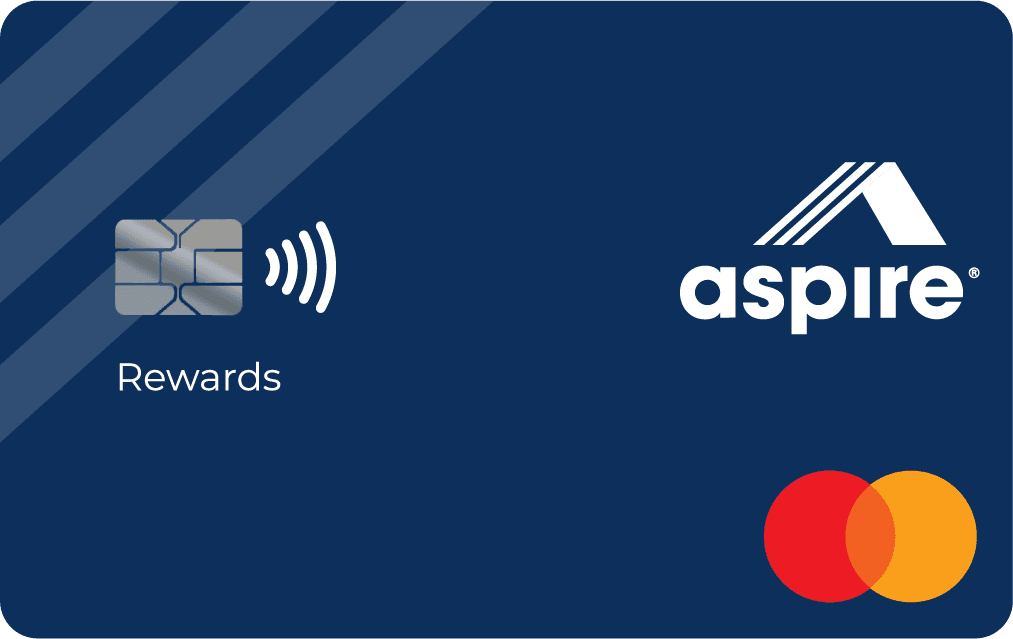
Aspire® Cash Back Rewards Mastercard
Aspire® Cash Back Rewards Mastercard. Prequalify* For Up To $1000 Credit Limit. No security deposit. Packed with great benefits, it’s designed to give you more flexibility—and purchasing power—along with up to 3% cash back rewards!** Good anywhere Mastercard is accepted, it’s the go-to card for any lifestyle.
Standout feature
Up to 3% cashback rewards**
Fees
$85–$175 first year, $229 thereafter (maintenance fees already included)
Pros
No Deposit Required. Prequalify* for up to $1000 credit limit
Cons
High APR, 36% Fixed.
For a plan that builds credit from a steady income rather than a deposit, Perpay is powered by your paycheck — no security deposit, shop and pay over time while it reports to all three bureaus, members see an average 32-point increase. With no credit check to get started, it is a steady starting point for new parents building credit from scratch. Whatever card you choose, a free tool like Creditship.ai lets you watch your score move as your everyday family spending reports each month.
Perpay Credit Card
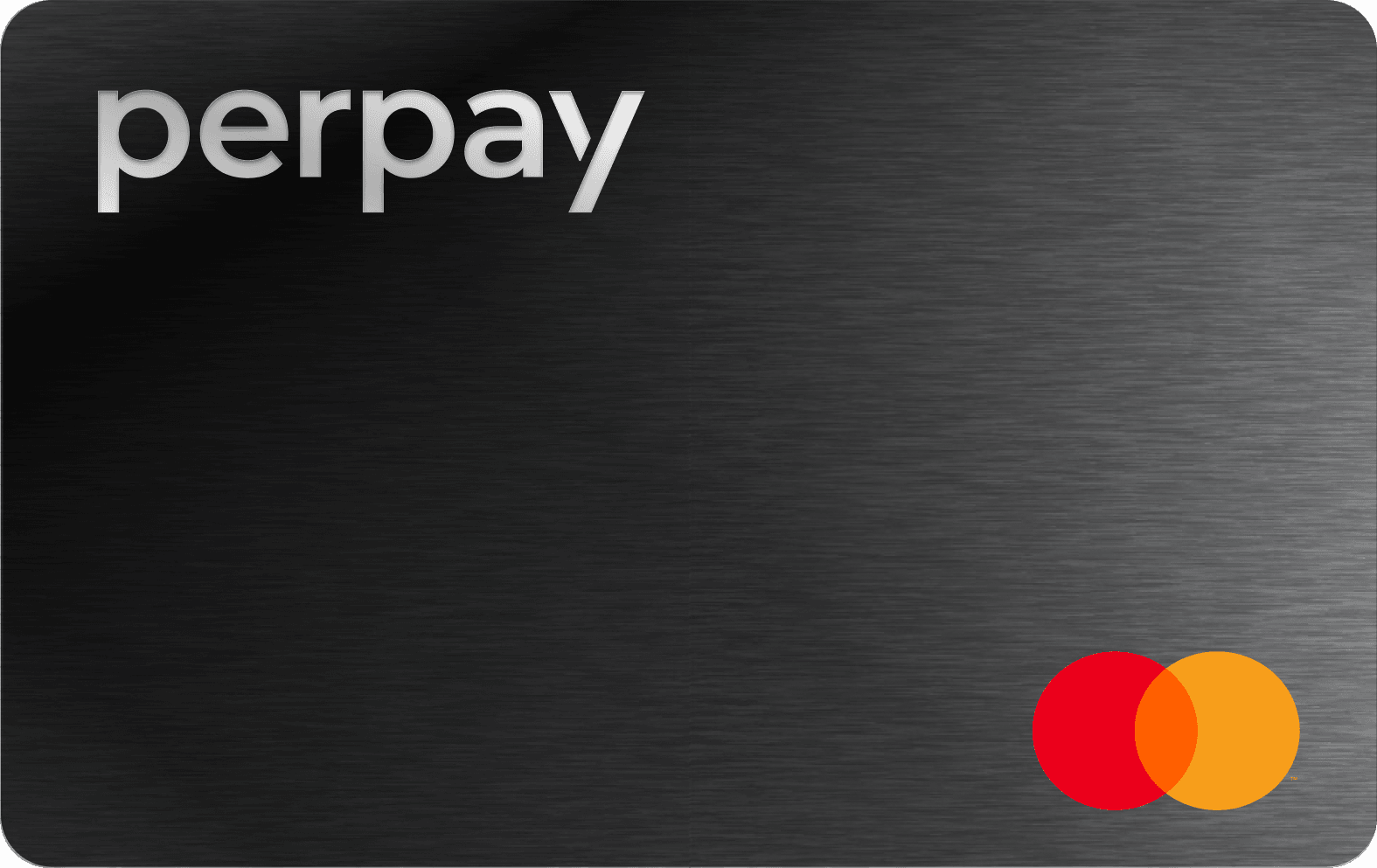
Perpay Credit Card
Meet the only card powered by your paycheck. With automatic transfers from your paycheck, you can manage payments stress-free and build credit with ease.
Fee
$9/month plus $9 account opening fee
APR
Marketplace: 0% / Credit Card: 27.74% to 29.99% depending on your creditworthiness.
Minimum Deposit Amount
$0
Credit Check
No
Cashback
2% reward on purchases made in Perpay Marketplace
Benefit
2% rewards, no security deposit
If you would rather start with an unsecured card that grows with you, the Arro Card is an unsecured starter card with no deposit and no hard credit check; start with a limit up to $300 that grows toward $2,500 via in-app tasks, reports to all three bureaus. For new parents who want a flexible card without a hard pull, it is a practical way to shop anywhere and build history at the same time.
Arro Card
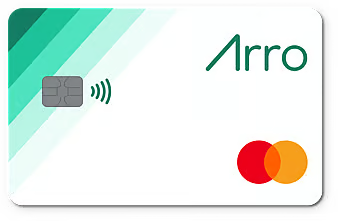
Arro Card
No deposit. No hard credit check. Start with up to $300 and grow your credit line to $2,500 by completing in-app tasks. Earn 1% cash back on gas and groceries — including Walmart and Target.
Standout feature
Unsecured — no deposit required
Fees
up to $60/ year
Pros
1% cash back on gas & groceries
Cons
Starting credit limit: $50–$300
Next Steps
If you came here looking for the old Toys R Us credit card, focus instead on a flexible card you can use at any toy or baby retailer. Compare your options and pick one that matches your credit and your goals.
Whatever you choose, read the interest terms, pay on time, and keep balances low. APRs vary by creditworthiness, and terms and conditions apply. With the right card and good habits, you can cover your family's needs and build stronger credit along the way.
Frequently Asked Questions
Can I still get a Toys R Us credit card?
The classic Toys R Us credit card, historically issued through Synchrony Bank, largely went away after the company's 2018 bankruptcy and store closures. It is no longer a mainstream, generally available option for shoppers, and there is no current published APR or fee schedule for a new one. A flexible general-purpose card is a better choice for toy and baby spending today.
Are store credit cards worth it for toys?
Store cards can offer discounts, but they are closed-loop, working at only one retailer, and often carry a high APR. Many also use deferred interest on promotional offers, where unpaid balances are charged interest back to the purchase date. A general-purpose Visa or Mastercard gives you more flexibility and can build broader credit.
What card is best for baby and toy purchases?
A flexible Mastercard or Visa lets you shop at any store while building credit. Options like the Aspire Cash Back Rewards Mastercard (up to 3% cash back, no deposit) or the paycheck-powered Perpay work almost anywhere and report to all three bureaus. Choose the one that fits your credit profile and pay it off on time.
Can shopping for my kids help my credit?
Yes, if you use a credit card responsibly by paying on time and keeping balances low. Everyday spending can build your score when handled well, since payment history and low utilization are the biggest factors. Tracking your credit lets you watch that progress over time.