
Opening a new statement and seeing a bigger number can feel like a small gut punch. If you have asked yourself why did my minimum payment go up, you are not alone. The good news is that the reason is usually simple once you know where to look.
Your minimum payment is the smallest amount you can pay each month to keep your account in good standing. It is not a fixed number. Most card issuers recalculate it every billing cycle, so it moves as your balance, interest, and fees move.
Why Did My Minimum Payment Go Up? Start Here
Most issuers set your minimum payment one of a few ways. Some charge a flat percentage of your balance, usually around 1% to 3%. Others charge a small percentage of the balance plus the interest and any fees for that month. A few use a flat dollar floor, such as $25 or $35, if your balance is very low.
As of July 2026, the exact formula depends on your card and your issuer. But the takeaway is the same for everyone. When the pieces that feed the formula get bigger, your minimum payment gets bigger too.
Your Balance Grew
This is the most common answer. If you made new purchases, your balance went up, and a percentage of a larger balance is a larger dollar amount.
Say your issuer uses 2% of the balance. On a $1,000 balance, that is about $20. On a $1,500 balance, that jumps to about $30. You did not do anything wrong. The math simply followed your spending.
Your Interest Rate Went Up
Many cards use a variable APR that is tied to a national index. When that index rises, your APR can rise with it, and more of your balance turns into interest each month.
If your issuer folds interest into the minimum payment, a higher APR means a higher minimum. A missed payment can also trigger a penalty APR, which is a much higher rate that some issuers apply after a late payment.
Why Did My Minimum Payment Go Up After a Promo Ended
A lot of people open a card for a 0% introductory offer, then forget the end date. When that promotional period ends, the regular APR kicks in on any balance you still carry.
Suddenly interest is being added again, and if your minimum payment includes interest, it climbs. Deferred interest offers can be even more of a surprise, because unpaid interest from the whole promo window can be added back at once.
If an expired promo has you hunting for better offers, building credit now improves your odds next time. A card like the Current Build Card reports your everyday spending to help you grow that history over time.
Current Build Card
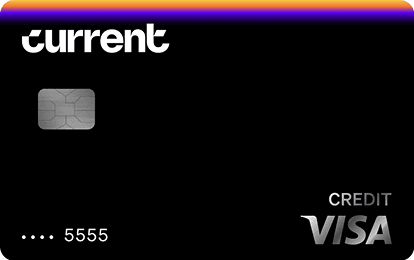
Current Build Card
$0 annual fee. No minimum deposit required. No credit check required. 1 point per dollar on eligible categories. Reports to Experian, TransUnion, Equifax.
Fee
$0
APR
0%
Minimum Deposit Amount
$0
Credit Check
No
Cashback
1 point/dollar on eligible categories (with qualifying payroll deposit)
Benefit
No credit check, no deposit minimum
New Fees Were Added
Fees roll into your balance and your minimum payment. Common ones include:
- Late payment fees
- Annual fees that just posted
- Over-the-limit charges
- Cash advance or balance transfer fees
If your minimum spiked by a very specific amount, scan your statement for a fee that matches. That often solves the mystery in seconds.
What to Do When Your Minimum Jumps
Start by reading your latest statement line by line. Issuers are required to show your balance, interest charges, and fees, so the cause is almost always printed there.
If the higher payment is a strain, call your issuer before the due date. You may be able to ask about a lower APR, a hardship plan, or a due-date change. It never hurts to ask, though approval is not guaranteed.
Paying only the minimum keeps the account current, but it is an expensive habit. More of your money goes to interest, your balance shrinks slowly, and a high balance can push up your credit utilization, which may weigh on your credit score.
Over the long run, stronger credit can help you qualify for lower-rate cards and refinancing that ease this squeeze. A credit-builder card like the Self Visa® Credit Card pairs a savings habit with a reported credit line, so steady on-time payments can help you build that history.

Tools That Can Help You Get Ahead
If carrying a balance is stressful, building a stronger credit profile can give you more options over time, such as qualifying for lower-rate products later. A few tools are designed for exactly that.
A credit-builder card like the Self Visa® Credit Card pairs a savings habit with a reported credit line, which can help you show steady, on-time activity. The Kikoff Secured Credit Card is another low-key way to add positive payment history without a large deposit.
To spot changes early, a monitoring tool like Creditship.ai can help you keep an eye on your balances and score trends, so a rising minimum payment does not catch you off guard next time. None of these tools erase debt, and results vary from person to person, but they can help you build better habits.
Creditship

Creditship
Get free credit monitoring and concrete advice how to improve your credit from Creditship AI.
Standout feature
AI Credit Coach. AI analyzes your credit report in depth and gives you tailored, actionable steps to raise your score.
Fees
Free
Pros
Free credit report access plus monitoring and alerts
Cons
No credit repair feature
Frequently Asked Questions
Can my minimum payment change every month?
Yes. Most issuers recalculate the minimum each billing cycle based on your current balance, interest, and fees. That is why it can look different from one statement to the next even if nothing dramatic happened.
Does paying only the minimum hurt my credit?
Paying at least the minimum on time helps you avoid late marks, which is good. But carrying a high balance can raise your credit utilization ratio, and a high ratio can weigh on your score. Paying more than the minimum when you can is usually the healthier move.
Why did my minimum go up if I did not use the card?
Several things can raise it without new purchases, including a variable APR increase, the end of a 0% promo, a penalty APR after a late payment, or a new fee like an annual fee. Check your statement to see which one applies.
How can I lower my minimum payment?
The most reliable way is to lower your balance, since the minimum is tied to it. You can also ask your issuer about a lower APR or a hardship option. Building stronger credit over time may help you qualify for lower-rate products in the future.
This article is for general education and is not financial advice. Firstcard is a financial-comparison platform and does not issue credit cards. Check current terms with each provider before you apply.




