
Getting approved for an unsecured card when your credit is rough can feel like a win, and that is exactly the promise behind the Blaze credit card. No deposit, a real Mastercard, and reporting to the credit bureaus. The question is whether the cost of getting it is worth what you give up.
Key Facts at a Glance
| Issuer | First Savings Bank |
| Network | Mastercard (usable anywhere) |
| Annual fee | $75 (billed about $6.25/month) |
| Purchase APR | 29.9% fixed |
| Penalty APR | None |
| Other fees | Returned payment up to $25; cash advance 2% per transaction |
| Rewards | None |
| Welcome bonus | None |
| Credit score | Typically fair, around 620-680 reported |
| Reported credit limit | Often starts around $350; can grow up to about $1,500 |
| Reports to | Experian, TransUnion, Equifax |
All figures as of June 2026. Confirm current terms on the Blaze website before applying.
What Is the Blaze Credit Card?
The Blaze credit card is the Blaze Mastercard, an unsecured card issued by First Savings Bank and built for fair or rebuilding credit. Unlike a secured card, it does not require a refundable deposit. Because it runs on the Mastercard network, you can use it anywhere Mastercard is accepted, and it reports your activity to all three major bureaus (Experian, TransUnion, and Equifax). It does not offer a rewards program or a welcome bonus. The entire point of the card is access and credit reporting, not earning points or cash back.
Fees and APR
This is where you need to pay close attention. As of June 2026, the Blaze Mastercard charges a $75 annual fee, commonly billed as $6.25 per month, and the purchase APR is 29.9%. The rate is fixed rather than variable, and there is no penalty APR, so a slip will not spike your rate, though a missed payment still hurts your credit. Other costs include a returned-payment fee of up to $25 and a cash-advance fee of 2% per transaction.
A 29.9% APR means carrying a balance gets expensive fast. To use this card well, pay the full statement every month so that 29.9% interest never builds up.
Approval and Credit Limit
The Blaze card is aimed at people with fair or rebuilding credit, with reported approvals clustering around a 620-680 FICO score. It typically starts with a modest credit limit, often around $350, with the chance to increase it over time, potentially up to roughly $1,500, by paying on time. A low limit can be easy to max out, so keeping your balance well under the limit protects your credit utilization on this specific card.
Pros and Cons
Strengths: no security deposit, a real Mastercard usable anywhere, reports to all three bureaus, no penalty APR, and a path to a higher limit with on-time payments. Trade-offs: a $75 annual fee, a high 29.9% APR, no rewards, a low starting limit, and a 2% cash-advance fee. For many people, a low-cost secured card builds credit just as well for less.
Who Should Consider It
The Blaze credit card fits someone who wants an unsecured card, cannot or does not want to put down a deposit, and is comfortable paying an annual fee for that convenience. If you would pay in full each month, the high APR matters less. If you can swing a refundable deposit, though, a secured card often costs far less and builds credit just as well.
Lower-Cost Ways to Build Credit
Before you commit to a $75 annual fee and a 29.9% APR, it is worth comparing cards built for the same goal at a lower cost. If you want an unsecured card without a security deposit, the Aspire Mastercard is the closest like-for-like option. It prequalifies for up to a $1,000 limit with no deposit and no hard pull at prequalification, accepts 580+ FICO, reports to all three bureaus, and pays up to 3% cash back, which the Blaze card does not.
Aspire® Cash Back Rewards Mastercard

Aspire® Cash Back Rewards Mastercard
Aspire® Cash Back Rewards Mastercard. Prequalify* For Up To $1000 Credit Limit. No security deposit. Packed with great benefits, it’s designed to give you more flexibility—and purchasing power—along with up to 3% cash back rewards!** Good anywhere Mastercard is accepted, it’s the go-to card for any lifestyle.
Standout feature
Up to 3% cashback rewards**
Fees
$85–$175 first year, $229 thereafter (maintenance fees already included)
Pros
No Deposit Required. Prequalify* for up to $1000 credit limit
Cons
High APR, 36% Fixed.
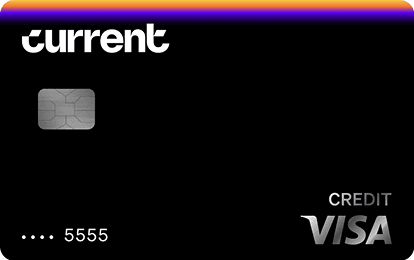
If you would rather build with a dedicated credit-builder product and skip the annual fee entirely, the Current Build Card links everyday purchases to a credit-building account with a $0 annual fee, $0 deposit minimum, and no credit check to apply.
Current Build Card
Current Build Card
$0 annual fee. No minimum deposit required. No credit check required. 1 point per dollar on eligible categories. Reports to Experian, TransUnion, Equifax.
Fee
$0
APR
0%
Minimum Deposit Amount
$0
Credit Check
No
Cashback
1 point/dollar on eligible categories (with qualifying payroll deposit)
Benefit
No credit check, no deposit minimum
Compared with paying a $75 yearly fee plus 29.9% interest on the Blaze card, a deposit-backed or no-fee builder route often costs you far less overall while building credit just as effectively. Firstcard helps you line up these options side by side, and you can monitor your score for free with Creditship.ai as it grows.
Alternatives to the Blaze Credit Card
If the annual fee and high APR give you pause, you have choices. An unsecured card like the Aspire Mastercard offers a deposit-free path with cash back, while a credit-builder product like the Current Build Card builds credit with no annual fee. If you would rather stay unsecured, two other cards built for the same rough-credit borrower are the Destiny credit card and the Imagine credit card, though both carry their own annual fees worth comparing.
The best card is the one that reports to the bureaus, fits your budget, and that you can pay in full.
Frequently Asked Questions
Does the Blaze credit card have an annual fee?
As of June 2026, the Blaze Mastercard charges a $75 annual fee, commonly billed as $6.25 per month. A fee like this is worth weighing against unsecured cards like the Aspire Mastercard that pay cash back, or builders that charge no annual fee.
What APR and fees does the Blaze credit card charge?
As of June 2026, the Blaze Mastercard charges a fixed 29.9% purchase APR. There is no penalty APR, but a returned-payment fee of up to $25 and a 2% cash-advance fee can apply. Carrying a balance at that rate is costly, so paying in full each month is the safest approach.
What credit score and limit can I expect with the Blaze credit card?
It is aimed at people with fair or rebuilding credit, with reported approvals around a 620-680 FICO score. Starting limits are often around $350 and can grow up to roughly $1,500 with on-time payments. It reports to all three bureaus.
Is a secured card better than the Blaze credit card?
For many people, a lower-cost option is. An unsecured card like the Aspire Mastercard avoids a deposit and pays cash back, while builders like the Current Build Card charge no annual fee and carry similar credit-building power.



