Got a credit card offer for the Imagine credit card and wondering if it is worth the cost? The answer depends a lot on your credit situation. The Imagine credit card is a starter card aimed at people with limited or damaged credit, and unlike many subprime cards it actually pays cash back, but its fees can add up fast. This review covers the issuer, the APR, the full fee structure from the cardholder agreement, the rewards, and who it fits.
Firstcard's job is to make this transparent. So we cover the Imagine card honestly first, then point to a couple of lower-cost builders if your goal is simply raising your score for less.
Key Facts at a Glance
| Issuer | WebBank, serviced by Atlanticus |
| Network | Visa, usable anywhere Visa is accepted |
| Annual fee | $0 to $175 first year; $0 to $59 after |
| Account maintenance fee | $60 to $150/yr ($5 to $12.50/mo) starting year two |
| Purchase APR | 19.24% to 36% variable (most applicants near 36%) |
| Rewards | 3% cash back on gas, groceries, utility bills; 1% on everything else |
| Welcome bonus | None |
| Other fees | 3% foreign transaction; 3% balance transfer; cash advance $5 or 5%; late/returned up to $41 |
| Credit limit | Typically $350 to $1,000; most common around $300 to $500 |
| Credit score | For limited/poor credit (reported scores often in the 550s); prequalify with soft pull |
| Reports to | Experian, TransUnion, Equifax |
All figures as of June 2026.
What Is the Imagine Credit Card?
The Imagine Visa credit card is an unsecured card issued by WebBank and serviced by the fintech Atlanticus. It is designed for consumers who may not qualify for mainstream cards. Because it is unsecured, you do not put down a refundable deposit the way you would with a secured credit card, though the trade-off shows up in the fees and interest rate.
It runs on the Visa network, so it works anywhere Visa is accepted, not just at one store. The card reports to all three major bureaus, Experian, TransUnion, and Equifax, and you can prequalify online with a soft pull to see your odds; your specific APR, fees, and limit are assigned at approval. A close sibling is the Destiny credit card, another unsecured card for the same borrowers, so it is worth comparing the two on fees before you choose.
Imagine Credit Card Rewards
Unlike most cards in this category, Imagine pays rewards. As of June 2026, it earns 3% cash back on gas, groceries, and utility bill payments, and 1% on all other purchases. There is no welcome bonus. For a credit-builder card, earning 3% in everyday categories is genuinely unusual and is the card's strongest selling point. Whether it offsets the fees depends entirely on how much you spend and how long you keep the card.
Imagine Credit Card Fees and APR
The cost structure is the most important thing to understand. According to the WebBank cardholder agreement on file with the CFPB, the purchase APR ranges from 19.24% to 36% based on creditworthiness, and no APR under the agreement exceeds 36%. In practice, most approved applicants land at or near 36%.
The annual fee ranges from $0 to $175 the first year, then $0 to $59 annually after that. There is also an account maintenance fee of $60 to $150 per year, billed at $5 to $12.50 per month starting after the first year. Add a 3% foreign transaction fee, a 3% balance transfer fee, a cash advance fee of $5 or 5% (whichever is greater), and late and returned-payment fees up to $41 each. Your prequalified offer states the exact figures for you, so read it closely before applying.
Why High Fees Matter
When an annual fee is pulled from your credit limit, you start with less available credit than the number on paper. A $500 limit with a $175 fee leaves you closer to $325 to actually spend, and that smaller cushion can push utilization higher, working against the credit-building progress you are trying to make. Over two years, the fees can total a few hundred dollars even before interest.
Who Might Consider the Imagine Credit Card?
This card makes sense for a narrow group. If you have been denied for secured and unsecured cards alike, an unsecured Visa with cash back may be one of the few approvals available to you, and the 3% categories add value a no-rewards subprime card does not.
It may also appeal to someone who genuinely cannot spare a security deposit right now, since a secured card typically requires a minimum deposit of $200 or more. Still, the high ongoing cost means this should usually be a short-term tool: build enough credit to qualify for something cheaper, then move on.
Lower-Cost Alternatives to the Imagine Credit Card
Before committing to these fees, it is worth looking at options that can cost less over time. If you want an unsecured card without a deposit, the Aspire Mastercard is the closest like-for-like option. It prequalifies for up to a $1,000 limit with no deposit and no hard pull at prequalification, accepts scores around 580 and up, reports to all three bureaus, and also pays up to 3% cash back.
Aspire® Cash Back Rewards Mastercard
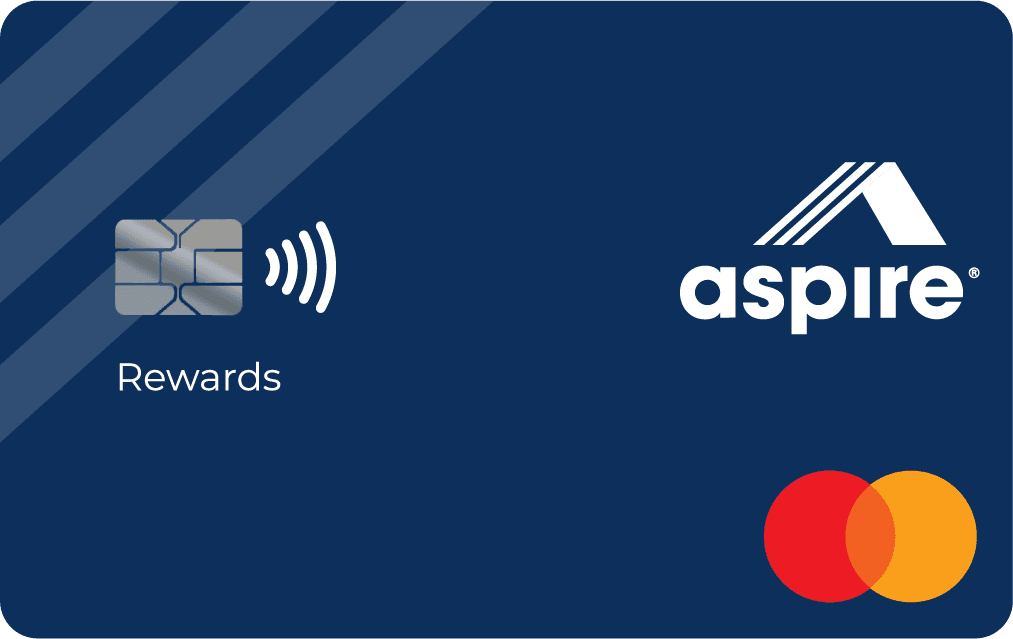
Aspire® Cash Back Rewards Mastercard
Aspire® Cash Back Rewards Mastercard. Prequalify* For Up To $1000 Credit Limit. No security deposit. Packed with great benefits, it’s designed to give you more flexibility—and purchasing power—along with up to 3% cash back rewards!** Good anywhere Mastercard is accepted, it’s the go-to card for any lifestyle.
Standout feature
Up to 3% cashback rewards**
Fees
$85–$175 first year, $229 thereafter (maintenance fees already included)
Pros
No Deposit Required. Prequalify* for up to $1000 credit limit
Cons
High APR, 36% Fixed.
If you would rather build with a dedicated credit-builder product and avoid annual and monthly fees entirely, the Current Build Card links everyday purchases to a credit-building account. It has a $0 annual fee, no minimum deposit, and no credit check, and it reports to Experian, TransUnion, and Equifax.
Current Build Card
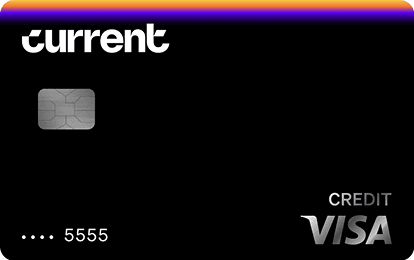
Current Build Card
$0 annual fee. No minimum deposit required. No credit check required. 1 point per dollar on eligible categories. Reports to Experian, TransUnion, Equifax.
Fee
$0
APR
0%
Minimum Deposit Amount
$0
Credit Check
No
Cashback
1 point/dollar on eligible categories (with qualifying payroll deposit)
Benefit
No credit check, no deposit minimum
How These Compare to Imagine
Both alternatives charge little to no annual fee, a meaningful difference from a card whose first-year fees can approach $175 plus a maintenance fee in year two. Over a year, that gap can be the cost of a full month of groceries. Imagine's edge is its 3% cash back; the builders' edge is keeping your costs near zero while you raise your score. Each reports to the major bureaus, which is the mechanism that helps your score grow when you pay on time. On a card with an up-to-36% APR, paying the full balance every month is not optional, it is what keeps the cash back from being swallowed by interest.
Is the Imagine Credit Card Worth It?
For most people, the answer is to compare first. The Imagine credit card offers easy approval and unusual 3% cash back, but its fees and up-to-36% APR make it an expensive way to build credit. If you can qualify for a lower-cost secured card or a no-fee credit builder, that route can reach the same destination for less. Read your prequalified terms, weigh the rewards against the fees, and pick the card whose total cost you can live with. Free tools like Creditship.ai let you monitor your score as it improves.
Frequently Asked Questions
Who issues the Imagine credit card and does it build credit?
The Imagine Visa credit card is issued by WebBank and serviced by Atlanticus. Yes, it reports to all three major credit bureaus, so on-time payments can help build your history over time. The key is paying on time and keeping your balance low. Its fees mean cheaper builders may reach the same goal for less.
What does the Imagine credit card cost?
The agreement lists a purchase APR of 19.24% to 36% (most applicants near 36%), an annual fee of $0 to $175 the first year then $0 to $59 after, and an account maintenance fee of $60 to $150 a year billed monthly after year one. Your prequalified offer states your exact figures.
What credit limit and score does the Imagine credit card use?
Reported starting limits typically run from $350 to $1,000, with $300 to $500 most common. The card is built for limited or poor credit; community-reported scores often sit in the 550s. You can prequalify with a soft pull that does not affect your score.
Does the Imagine credit card offer rewards?
Yes. It earns 3% cash back on gas, groceries, and utility bill payments, and 1% on all other purchases, which is unusual for a card aimed at limited or poor credit. There is no welcome bonus.

Firstcard was founded in 2020 by Kenji Niwa, an immigrant founder who was turned down for his first U.S. credit card because he had no credit score. So he set out to build the card he couldn't get. Firstcard launched its own card, the Firstcard Secured Credit Builder Card. The program received more than 250,000 applications and served tens of thousands of cardholders. In February 2026, Firstcard became a marketplace for financial products, with the same mission: to help people build credit and reach financial freedom. Today we compare credit cards, cash advance apps and credit builders, so you can choose the right one with confidence. This editorial team is led by Chief Editor Kenji Niwa. We check fees, APRs and terms against each provider's own documents and note the date we checked. We also interview real users and the companies that offer credit cards and loans. Our ratings use the same standards whether or not Firstcard earns money from a product. Full profile and latest articles →