Spend $20,000 a year on a flat-rate card and the gap between 2% and 1.5% cash back is $100. That is the core of the Citi Double Cash versus Capital One Quicksilver question. Both are no-annual-fee cards built for people who do not want to track bonus categories, but they reward you at different rates and bundle different extras.
Here is how the two cards stack up as of June 2026, with the exact rates, fees, and credit requirements you need to choose.
Key facts at a glance
| Feature | Citi Double Cash | Capital One Quicksilver |
|---|---|---|
| Issuer | Citibank, N.A. | Capital One |
| Network | Mastercard | Mastercard or Visa |
| Annual fee | $0 | $0 |
| Rewards | 2% (1% buy + 1% pay) | 1.5% flat on everything |
| Welcome bonus | $200 after $1,500 in 6 months | $200 after $500 in 3 months |
| Purchase APR | 17.49%-27.49% variable | 18.49%-28.49% variable |
| Intro APR | 0% on balance transfers 18 mo. | 0% on purchases and transfers 15 mo. |
| Foreign transaction fee | 3% | None |
| Score needed | 670+ (good to excellent) | 690+ (good to excellent) |
| Reports to bureaus | Equifax, Experian, TransUnion | Equifax, Experian, TransUnion |
APRs vary by creditworthiness. Terms and conditions apply.
How the rewards actually compare
The Citi Double Cash earns 2% on everything: 1% when you buy and another 1% as you pay off the purchase. You only collect the full 2% if you pay your bill, so carrying a balance quietly cuts your rate. There are no category caps.
The Capital One Quicksilver pays a flat 1.5% on every purchase, all at once, with no payment condition. It is simpler, and the half-point gap only matters if you spend a lot.
Both cards add a travel-portal bonus. Citi pays 3% on hotels, car rentals, and attractions booked through Citi Travel. Quicksilver pays 5% on hotels and rental cars booked through Capital One Travel.
Welcome bonus and intro APR
The welcome offers are close in value but differ in effort. Citi gives $200 after $1,500 in spending within 6 months. Capital One gives the same $200 after just $500 in 3 months, which is far easier to hit.
The intro APR offers serve different goals. Citi's 0% runs 18 months but only on balance transfers, so it is built for paying down existing debt. Quicksilver's 0% runs 15 months on both new purchases and transfers, which helps if you have a planned purchase to spread out.
If you are still building toward the good-to-excellent credit these cards want, a no-deposit starter card can get you there. The Aspire Mastercard lets you prequalify for up to $1,000 with a 580 FICO, earns up to 3% cash back, and reports to all three bureaus, so you build the exact history a 2% card asks for.
Aspire® Cash Back Rewards Mastercard
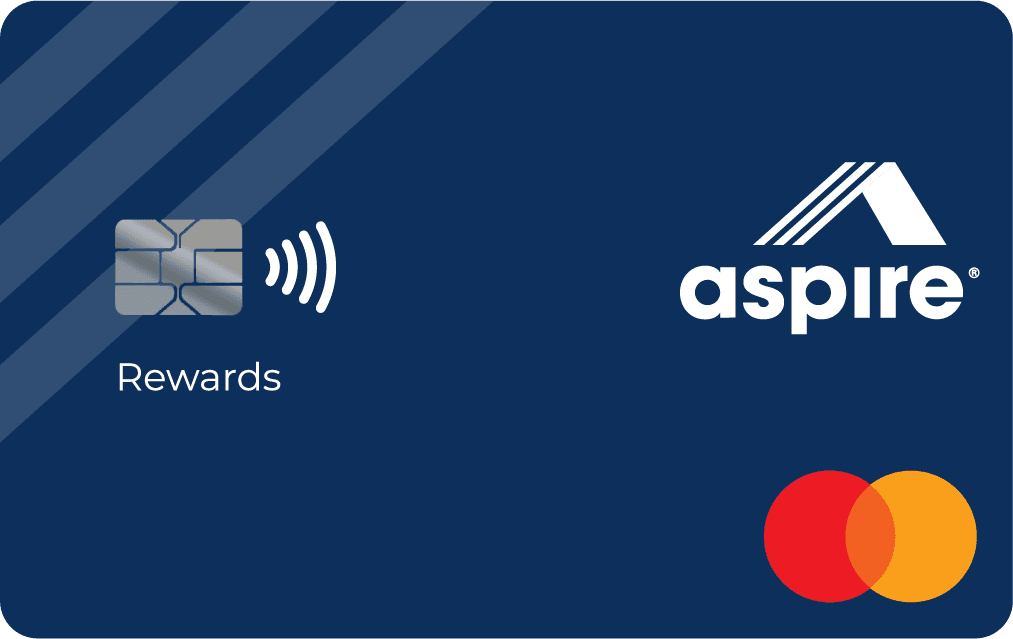
Aspire® Cash Back Rewards Mastercard
Aspire® Cash Back Rewards Mastercard. Prequalify* For Up To $1000 Credit Limit. No security deposit. Packed with great benefits, it’s designed to give you more flexibility—and purchasing power—along with up to 3% cash back rewards!** Good anywhere Mastercard is accepted, it’s the go-to card for any lifestyle.
Standout feature
Up to 3% cashback rewards**
Fees
$85–$175 first year, $229 thereafter (maintenance fees already included)
Pros
No Deposit Required. Prequalify* for up to $1000 credit limit
Cons
High APR, 36% Fixed.
Fees beyond the annual fee
Neither card charges an annual fee, but the smaller fees diverge. The Citi Double Cash charges a 3% foreign transaction fee, so it is a poor travel companion abroad. The Capital One Quicksilver charges no foreign transaction fee at all, which is a real edge for anyone who travels internationally.
Late fees on both can reach up to roughly $40, and both can apply a penalty APR if you fall behind. Balance transfer fees apply on each card, typically 3% to 5% of the amount moved.
Credit requirements and approval
Both cards target good to excellent credit. Citi approvals typically cluster around a 670 or higher FICO score, while Capital One Quicksilver applicants usually report 690 or higher. Neither is a starter card, and applying with a thin file often leads to a denial.
If your score is not there yet, building first beats applying and getting declined. Perpay is a no-credit-check option that is paycheck-powered: you pay through payroll deductions, there is no deposit, and cardholders see an average 30-point score increase. It is a way to add positive history without a hard pull while you work toward a flat-rate card.
Perpay Credit Card
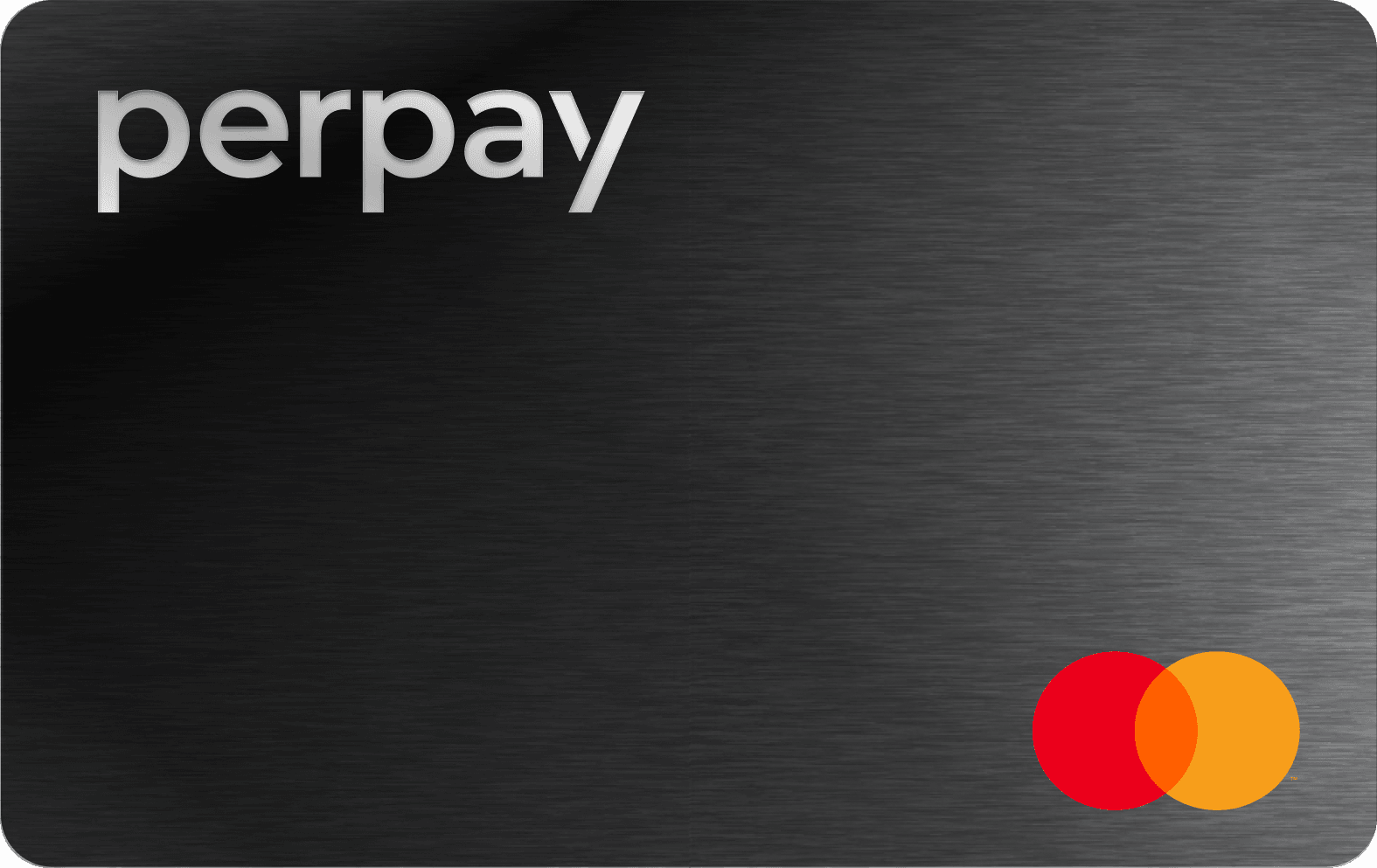
Perpay Credit Card
Meet the only card powered by your paycheck. With automatic transfers from your paycheck, you can manage payments stress-free and build credit with ease.
Fee
$9/month plus $9 account opening fee
APR
Marketplace: 0% / Credit Card: 27.74% to 29.99% depending on your creditworthiness.
Minimum Deposit Amount
$0
Credit Check
No
Cashback
2% reward on purchases made in Perpay Marketplace
Benefit
2% rewards, no security deposit
Which card wins
For pure earning, the Citi Double Cash takes it. The 2% rate beats 1.5% on every dollar, as long as you pay your balance in full to capture the second 1%. Heavy domestic spenders gain the most.
The Capital One Quicksilver wins for travelers and for anyone who wants the simplest possible card. No foreign transaction fee, an easier welcome bonus, and instant 1.5% with no payment strings attached make it the low-friction pick. If you already hold a no-rewards Capital One card like the Platinum, you can often reach the Quicksilver through a Capital One product change instead of a fresh application, which avoids a new hard inquiry and keeps your account age intact.
A quick rule: spend mostly in the U.S. and pay in full, choose Citi. Travel often or want one less thing to think about, choose Quicksilver.
If neither approves you yet, the Current Build Card can help you establish the on-time payment record these cards reward, using your own money to build a positive history that reports to the bureaus.
Current Build Card
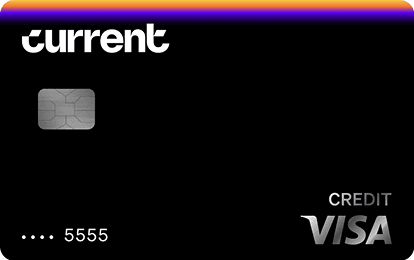
Current Build Card
$0 annual fee. No minimum deposit required. No credit check required. 1 point per dollar on eligible categories. Reports to Experian, TransUnion, Equifax.
Fee
$0
APR
0%
Minimum Deposit Amount
$0
Credit Check
No
Cashback
1 point/dollar on eligible categories (with qualifying payroll deposit)
Benefit
No credit check, no deposit minimum
Frequently Asked Questions
Is Citi Double Cash really 2% cash back?
Yes, but it is split. You earn 1% when you make a purchase and another 1% when you pay it off. If you carry a balance and do not pay, you may only collect the first 1%, so the full 2% rewards paying in full.
Does Capital One Quicksilver have a foreign transaction fee?
No. The Capital One Quicksilver charges no foreign transaction fee, which makes it a better choice for international travel than the Citi Double Cash, which charges 3% on foreign purchases.
Which card has the easier welcome bonus?
The Capital One Quicksilver is easier. It pays $200 after $500 in spending within 3 months. The Citi Double Cash also pays $200, but requires $1,500 in spending over 6 months to earn it.
What credit score do I need for these cards?
Both target good to excellent credit. Citi Double Cash applicants typically have a FICO score of 670 or higher, and Capital One Quicksilver applicants usually report 690 or higher. Building positive history first improves your approval odds if your score is lower.