If an offer for the Emblem credit card showed up in your mailbox or alongside an old debt, you probably have questions. This card is different from a typical starter card, so it is worth understanding exactly what it is before you accept anything. Here is how it works in plain English, with the real numbers from the issuer's agreement, plus lower-cost ways to build credit if that is your real goal.
Key Facts at a Glance
| Issuer | The Bank of Missouri |
| Network | Mastercard (open-loop, usable anywhere Mastercard is accepted) |
| Annual fee | $45 (no fee in the initial year; not applied while a Program Balance remains) |
| Purchase APR | 19.99% |
| Penalty APR | 24.99% |
| Cash advance | 21.99% APR, plus a per-transaction fee up to $50 |
| Rewards | None |
| Welcome bonus | None |
| Special structure | Settled debt-resolution Program Balance carried at 0% APR |
| Credit limit | Typically modest, often a few hundred dollars, frequently set near the remaining settled balance |
| Credit score | Designed for below-average / bad credit |
| Approval pull | Hard inquiry; no deposit (unsecured) |
| Reports to | All three bureaus (Experian, TransUnion, Equifax) |
Figures are accurate as of June 2026, drawn from the Emblem account agreement on file with the Consumer Financial Protection Bureau, with community-reported limit figures noted as typical.
What Is the Emblem Credit Card?
The Emblem Mastercard is an unsecured credit card issued by The Bank of Missouri and marketed in connection with Jefferson Capital's debt-resolution program. Because it runs on the Mastercard network, it is an open-loop card you can use anywhere Mastercard is accepted, not just at one store. It reports to the major credit bureaus. What sets it apart is how many accounts are opened: when a settled debt is involved, the account often opens with that remaining balance carried as a special Program Balance, and you receive a card to use going forward. Because it is unsecured, you do not put down a deposit. The card carries no rewards program and no welcome bonus.
APR and the Program Balance
The numbers below come from the Emblem account agreement on file with the Consumer Financial Protection Bureau, accurate as of June 2026.
The purchase APR is 19.99%. Cash advances carry a 21.99% APR plus a per-transaction fee (maximum $50), and the penalty APR is 24.99%. If your account was opened through debt resolution, the settled Program Balance is carried at 0% APR, so no interest accrues on that portion as you pay it down. New purchases you make, though, accrue at the 19.99% purchase APR if you carry a balance.
Fees and Credit Limits to Know
This is the part to study closely.
Annual Fee
The version of the agreement on file with the CFPB carries a $45 annual fee, with no fee charged in the initial year. Notably, the agreement states the annual fee is not applied while a Program Balance remains on the account. There is no monthly maintenance fee on this version of the agreement, and a late payment fee applies if you fall behind. Your exact fee depends on the specific offer and agreement you receive, so read yours before accepting.
Starting Credit Limits
The issuer does not publish a fixed credit limit, and reported figures vary. Limits are typically modest, often a few hundred dollars. When an account opens through debt resolution, the credit line is often set close to the remaining settled balance, leaving little additional spending room at first. A small limit means your utilization can climb quickly, so watch it carefully. If you want a higher starting floor, it is worth comparing guaranteed approval cards with $1,000 limits. Terms and conditions apply.
How It Affects Your Credit
The Emblem card reports to all three credit bureaus (Experian, TransUnion, and Equifax), which is the feature that matters most for building credit. On-time payments can help your payment history, the largest factor in most scores, while late payments set you back quickly. The cost is the catch: if a $45 fee and a small limit push your utilization up, that can weigh on your score before you spend much, which is why comparing total cost against the benefit matters so much.
Who Might Consider This Card?
The Emblem card can be a structured path to rebuild payment history for someone working through an old debt, since it folds the settled balance into a reporting account at 0% on that portion. It is aimed at people with below-average credit and requires a hard inquiry to apply. If it reports on time and you can manage the fee, it can support a recovery plan, and it helps to know how to build credit while paying off debt so progress on one front does not stall the other.
For most people simply trying to build credit from scratch, though, lower-cost options are worth comparing first. The cards below are designed for that job and can cost less to hold.
Aspire® Cash Back Rewards Mastercard

Aspire® Cash Back Rewards Mastercard
Aspire® Cash Back Rewards Mastercard. Prequalify* For Up To $1000 Credit Limit. No security deposit. Packed with great benefits, it’s designed to give you more flexibility—and purchasing power—along with up to 3% cash back rewards!** Good anywhere Mastercard is accepted, it’s the go-to card for any lifestyle.
Standout feature
Up to 3% cashback rewards**
Fees
$85–$175 first year, $229 thereafter (maintenance fees already included)
Pros
No Deposit Required. Prequalify* for up to $1000 credit limit
Cons
High APR, 36% Fixed.
If you want an unsecured card without a security deposit, the Aspire Mastercard is the closest like-for-like option. It prequalifies for up to a $1,000 limit with no deposit and no hard pull at prequalification, accepts 580+ FICO, reports to all three bureaus, and pays up to 3% cash back. If you would rather build with a dedicated credit-builder product and no credit check, the next option ties everyday spending to a credit-building account.
Current Build Card
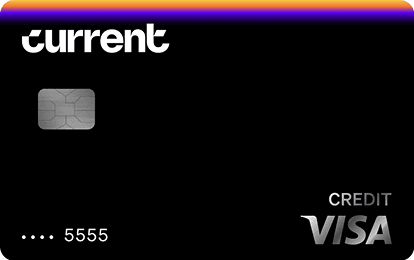
Current Build Card
$0 annual fee. No minimum deposit required. No credit check required. 1 point per dollar on eligible categories. Reports to Experian, TransUnion, Equifax.
Fee
$0
APR
0%
Minimum Deposit Amount
$0
Credit Check
No
Cashback
1 point/dollar on eligible categories (with qualifying payroll deposit)
Benefit
No credit check, no deposit minimum
The Current Build Card has no annual fee, no minimum deposit, and no credit check, and it reports to Experian, TransUnion, and Equifax. With no recurring fee, it sidesteps the cost problem that comes with a high-fee rebuilding card like Emblem's $45 annual fee against a small limit. You can monitor your progress for free with tools like Creditship.ai, and Firstcard is built to help people with no, low, or bad credit build a foundation and graduate toward better cards over time.
Frequently Asked Questions
Who issues the Emblem credit card?
The Emblem Mastercard is issued by The Bank of Missouri and is marketed in connection with Jefferson Capital's debt-resolution program. It reports to all three major credit bureaus, so on-time payments can help build your history.
Does the Emblem credit card have an annual fee?
The agreement on file with the CFPB carries a $45 annual fee, with no fee in the initial year, and the fee is not applied while a settled Program Balance remains. Your exact fee depends on your specific offer, so review your agreement before accepting.
What APR does the Emblem card charge?
As of June 2026, the purchase APR is 19.99%, cash advances are 21.99% (with a per-transaction fee up to $50), and the penalty APR is 24.99%. A settled Program Balance, if any, is carried at 0%.
What credit limit can I expect with the Emblem card?
The issuer does not publish a fixed limit; reported limits are typically modest, often a few hundred dollars and frequently set near the remaining settled balance. Because the line is small, watch your utilization. An unsecured card like the Aspire Mastercard or a no-fee builder like the Current Build Card can offer more room and cost less. Compare total costs, and review how a secured card works before you choose. Terms and conditions apply, and APRs vary by creditworthiness.

Firstcard was founded in 2020 by Kenji Niwa, an immigrant founder who was turned down for his first U.S. credit card because he had no credit score. So he set out to build the card he couldn't get. Firstcard launched its own card, the Firstcard Secured Credit Builder Card. The program received more than 250,000 applications and served tens of thousands of cardholders. In February 2026, Firstcard became a marketplace for financial products, with the same mission: to help people build credit and reach financial freedom. Today we compare credit cards, cash advance apps and credit builders, so you can choose the right one with confidence. This editorial team is led by Chief Editor Kenji Niwa. We check fees, APRs and terms against each provider's own documents and note the date we checked. We also interview real users and the companies that offer credit cards and loans. Our ratings use the same standards whether or not Firstcard earns money from a product. Full profile and latest articles →