India received over $125 billion in remittances in 2024, the highest of any country in the world. A big chunk of that flow comes from the United States, sent home by software engineers, doctors, students, and families supporting parents in cities and villages.
If you are part of that flow, picking the right app can save you 2% or more on every transfer. Here is the practical 2026 guide to sending money to India fast, cheap, and safely. For a wider lens on the topic, see what is a remittance. For a head-to-head ranking of the apps themselves, jump to the best app to send money to India.
What You Need Before Sending
For most apps, you will need:
- A US bank account, debit card, or credit card to fund the transfer
- A government-issued ID, usually a passport or driver's license
- The receiver's full name, Indian bank name, account number, and IFSC code
- The destination type: bank deposit, UPI, or cash pickup
Indian banks usually require an IFSC code rather than a SWIFT code for domestic transfers. Bank deposits typically arrive within minutes through India's IMPS rails or up to 24 hours through NEFT.
New arrivals to the US without an SSN can still send money to India. Apps like Wise and Remitly accept ITINs and passport numbers for verification. The Current Build Card is a popular funding source since the underlying account opens without an SSN. Indian-origin newcomers may also want to look at the best credit cards for ITIN holders to start a US credit file.
Current Build Card
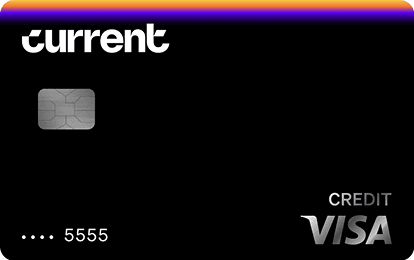
Current Build Card
$0 annual fee. No minimum deposit required. No credit check required. 1 point per dollar on eligible categories. Reports to Experian, TransUnion, Equifax.
Fee
$0
APR
0%
Minimum Deposit Amount
$0
Credit Check
No
Cashback
1 point/dollar on eligible categories (with qualifying payroll deposit)
Benefit
No credit check, no deposit minimum
Trusted Cash-Pickup Networks for India
If your family in India prefers cash pickup or lives outside a major city, Western Union has one of the deepest agent networks in the country, with thousands of payout points at banks and post offices. Its app fees for US to India transfers have dropped to around $3, and money is often available for pickup within minutes.

MoneyGram is the other major cash-pickup option, with tens of thousands of locations across India and a low online transfer fee of roughly $2 to $5. It is a solid choice when the receiver needs cash in hand fast and does not have a bank account ready for a deposit.

If you arrived in the US recently and do not yet have a Social Security number, getting an ITIN unlocks more financial tools, including some money-transfer apps and US credit products. TheITIN.com helps newcomers apply for an ITIN online so you can verify identity, fund transfers, and start building a US credit file sooner.
TheITIN.com

TheITIN.com
No SSN? No problem. TheITIN.com makes getting your U.S. tax ID (ITIN) fast and painless — 100% online. Perfect for people who need to start building credit, file taxes, or open bank accounts in America.
Standout feature
100% online ITIN application. No hidden fees. Trusted by thousands with 4.8★ on Trustpilot.
Fees
Starting at $497
Pros
Fast, fully online process. Highly rated customer support (4.8★ Trustpilot). Transparent pricing with no hidden fees.
Cons
Processing time depends on IRS (can take up to 14 weeks).
Best Apps to Send Money to India in 2026
The US to India corridor is one of the most competitive routes in the world. Here are the top picks. For a fuller ranked breakdown, see our roundup of the best app to send money to India.
Wise
Wise uses the mid-market exchange rate plus a small transparent fee. A typical $500 transfer costs around $4 to $7 with no hidden markup. Money usually lands in 1 to 2 hours when funded by debit card.
Remitly
Remitly offers two speeds. Express delivery, funded by debit card, lands in minutes. Economy delivery, funded by bank account, takes 3 to 5 business days but is often free of fees and uses a slightly worse exchange rate.
Xoom
Xoom is owned by PayPal and is strong for cash pickup at over 50,000 partner agents in India. It also supports bank deposit and UPI. Fees are typically slightly higher than Wise but easier if you already use PayPal.
MoneyGram and Western Union
Both offer fast cash pickup and bank deposit. Their app fees have come down to around $2 to $5 for most US to India transfers, though exchange rates may include a 1% to 3% markup.
Banks
US banks usually charge $25 to $50 per international wire to India, plus a 2% to 4% exchange-rate markup. Avoid bank wires unless your employer requires them. For a broader corridor comparison, our guide to the cheapest way to send money internationally breaks down which apps win on each route.
How Fees Stack Up for a $1,000 Transfer
A recent comparison snapshot for sending $1,000 from the US to India.
- Wise: ~$5.50 fee, mid-market rate, lands in minutes
- Remitly Express: $0 to $3.99 fee, slight rate markup, lands in minutes
- Remitly Economy: $0 fee, slightly weaker rate, 3 to 5 business days
- Xoom: $4.99 fee, small markup, lands in minutes
- MoneyGram online: $1.99 to $4.99 fee, 1% markup
- Western Union app: $2.99 fee, 1% to 2% markup
- Bank wire: $25 to $50 fee, 2% to 4% markup
The winner changes by promotion, but Wise and Remitly are usually within a few cents of each other for the cheapest total cost.
Bank Deposit, UPI, or Cash Pickup
India has three popular delivery options.
- Bank deposit: Most common for permanent residents and salaried families. Lands in minutes through IMPS.
- UPI transfer: Rising in popularity. Money arrives in seconds and the receiver can use it immediately at any UPI-enabled merchant.
- Cash pickup: Useful for small-town receivers. MoneyGram, Western Union, and Xoom have networks of agents at banks and post offices.
UPI is usually the best balance of speed and cost. Bank deposit is the safest if you send large amounts.
How to Save More on Every Transfer
A few simple habits make every transfer cheaper.
- Send larger amounts less often. Most apps have a fixed sending fee, so $1,000 once beats $200 five times.
- Fund with a bank account when speed is not urgent. Debit card funding adds 1% to 2% to the cost.
- Compare apps before each big transfer. Promo codes and intro offers can save you the entire fee.
- Track the family budget. Tools like Monarch Money show how much you are sending each month and where to trim.
- Build credit on the side. Better credit unlocks lower fees on US financial products. The Self Visa® Credit Card, OpenSky, and Kikoff Secured Credit Card all report to all three bureaus monthly and are easy to start.
Many Indian-origin students and professionals also pair the Self.Inc Credit Builder Account with their remittance routine. Each month's payment grows both their savings and their FICO score.
Common Mistakes to Avoid
- Misspelled receiver names. Indian banks often reject transfers when the name does not match the account exactly.
- Wrong IFSC code. Each branch has its own IFSC. Confirm with the receiver before sending.
- Sending too close to the daily limit. Many apps cap first-time transfers at $2,500. Verify your account first to unlock higher limits.
- Ignoring the exchange rate. The fee is only half the cost. Always check the rate offered against the mid-market rate at xe.com.
Final Word
Sending money to India is fast and cheap in 2026 if you pick the right app. Wise and Remitly usually win for total cost. Xoom is convenient if you already use PayPal. Cash pickup through MoneyGram or Western Union is best for small-town receivers without bank accounts.
Whichever app you choose, take a few minutes to compare each transfer. A 2% saving on a $1,000 transfer is $20, which adds up quickly across a year of monthly remittances.
Frequently Asked Questions
What is the cheapest way to send money to India from the US?
Wise and Remitly Economy are usually the cheapest options for bank deposit. For small amounts under $200, MoneyGram and Western Union app promos sometimes beat both. Always compare the all-in cost before sending.
How long does it take for money to reach India?
Most debit-card-funded transfers land within minutes through IMPS or UPI. Bank-funded transfers can take 1 to 5 business days. Bank wires from a US bank are the slowest, often 1 to 3 business days plus weekends.
Do I need to pay tax on money I send to family in India?
In the US, personal gifts to family abroad are not taxable up to the annual gift tax exclusion of $19,000 per recipient in 2026. In India, the receiver does not pay income tax on family remittances, but they may need to declare large amounts.
Can I send money to India without an SSN?
Yes. Most major apps accept ITINs or passport numbers for verification. New immigrants can fund transfers from a Current Build Card account, which opens without an SSN.

The Firstcard team writes simple, research-backed guides on credit, cards, and credit building. Firstcard has been helping people build credit and save money since 2020. Full profile and latest articles →