
If you are building a deck, re-roofing a house, or framing a remodel at McCoy's Building Supply, the cashier may ask if you want to open a McCoy's Consumer Credit Card. Before you say yes at the register, it helps to know exactly what you are signing up for.
This is a private-label store card. That means it works at McCoy's locations only, not anywhere else. Below is a plain breakdown of the rewards, the APR, the fees, and who this card actually fits, as of June 2026.
Key facts at a glance
| Feature | Detail (as of June 2026) |
|---|---|
| Issuer | Synchrony Bank |
| Network | Private-label (McCoy's stores only) |
| Annual fee | $0 |
| Purchase APR | 34.99% variable; 39.99% penalty APR |
| Rewards | 2 points per $1 (a $15 Building Bucks certificate per 500 points) |
| Welcome bonus | No standard welcome bonus |
| Score needed | Typically fair credit, roughly 640 and up |
| Reports to bureaus | Yes, Synchrony reports to the major bureaus |
Terms and conditions apply. APRs vary by creditworthiness and can change.
Who issues the McCoy's card
The McCoy's Consumer Credit Card is issued and serviced by Synchrony Bank, one of the largest issuers of store-branded cards in the country. McCoy's is the brand on the front, but Synchrony handles approval, billing, and customer service.
Because it is a private-label card, there is no Visa or Mastercard logo. You can use it at McCoy's stores and on McCoy's accounts only. It will not work at the gas station or grocery store.
Rewards and financing
The rewards structure is simple. You earn 2 rewards points for every $1 in net purchases on the card. Once you reach 500 points, which is $250 in eligible spend, Synchrony issues a $15 Building Bucks certificate. That works out to roughly 6% back in store credit, which is strong for a store card.
There is a catch worth reading twice. Points are not earned on purchases where you choose a financing promotion. So you can take the special financing offer or the rewards, but typically not both on the same purchase. Points also do not accrue on cash advances, fees, or finance charges.
To redeem a $15 Building Bucks certificate, you must make a $50 minimum purchase on the card. There is no traditional welcome bonus.
APR and fees
This is where store cards get expensive. For new accounts, the purchase APR is 34.99% variable, and the penalty APR can reach 39.99% if you fall behind. That is well above the average credit card rate.
The good news is there is no annual fee. The trade-off is that the high APR makes this a poor card to carry a balance on. If you use a promotional financing offer and do not pay the full balance before the promo period ends, deferred interest can hit you with back interest from the original purchase date.
The simplest rule with this card is to pay the statement balance in full every month, or finish any promo balance before it expires.
Approval and who it fits
Synchrony store cards are generally easier to get than premium rewards cards. Most reporting points to fair credit, roughly a 640 score and up, as a reasonable target, though approval is at the issuer's discretion. McCoy's offers prequalification that does not hurt your score, and a full application triggers a hard pull.
This card fits a specific person: a regular McCoy's shopper who pays in full each month and wants store credit back on lumber, hardware, and building supplies. If you rarely shop there or tend to carry a balance, the 34.99% APR cancels out the rewards fast.
Honest alternatives if approval or cost is a concern
A store-only card is not the right first card for everyone. If approval is a concern or you want a card you can use anywhere, a few general-purpose builder cards are worth a look.
The Aspire Mastercard is an unsecured card aimed at people with fair or rebuilding credit. It works anywhere Mastercard is accepted, reports to all three bureaus monthly, and earns cash back, with up to 3% in categories like gas and groceries. The trade-off is real cost: an annual fee and, after the first year, a monthly fee, so weigh it carefully.
Aspire® Cash Back Rewards Mastercard
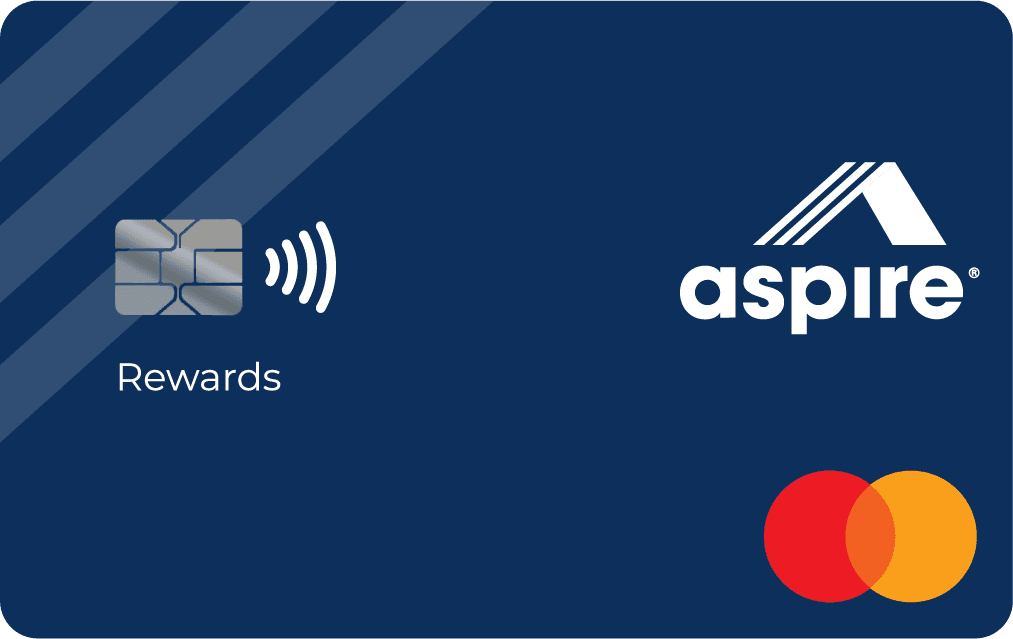
Aspire® Cash Back Rewards Mastercard
Aspire® Cash Back Rewards Mastercard. Prequalify* For Up To $1000 Credit Limit. No security deposit. Packed with great benefits, it’s designed to give you more flexibility—and purchasing power—along with up to 3% cash back rewards!** Good anywhere Mastercard is accepted, it’s the go-to card for any lifestyle.
Standout feature
Up to 3% cashback rewards
Fees
$49 to $175; after that $0 to $49 annually; - $60 to $159 annually billed at $5 to $12.50 per month after the first year.
Pros
No Deposit Required. Prequalify for up to $1000 credit limit
Cons
High APR. 25.74% to 36%, based on your creditworthiness.
If you want to build credit while you shop without a hard credit check, Perpay takes a different path. It is a buy-now-pay-later marketplace where purchases are split into interest-free installments paid through paycheck deductions. There is no credit check to join, and Perpay can report your payment history to all three bureaus once you complete four months of on-time payments and pass $200 paid.
Perpay Credit Card
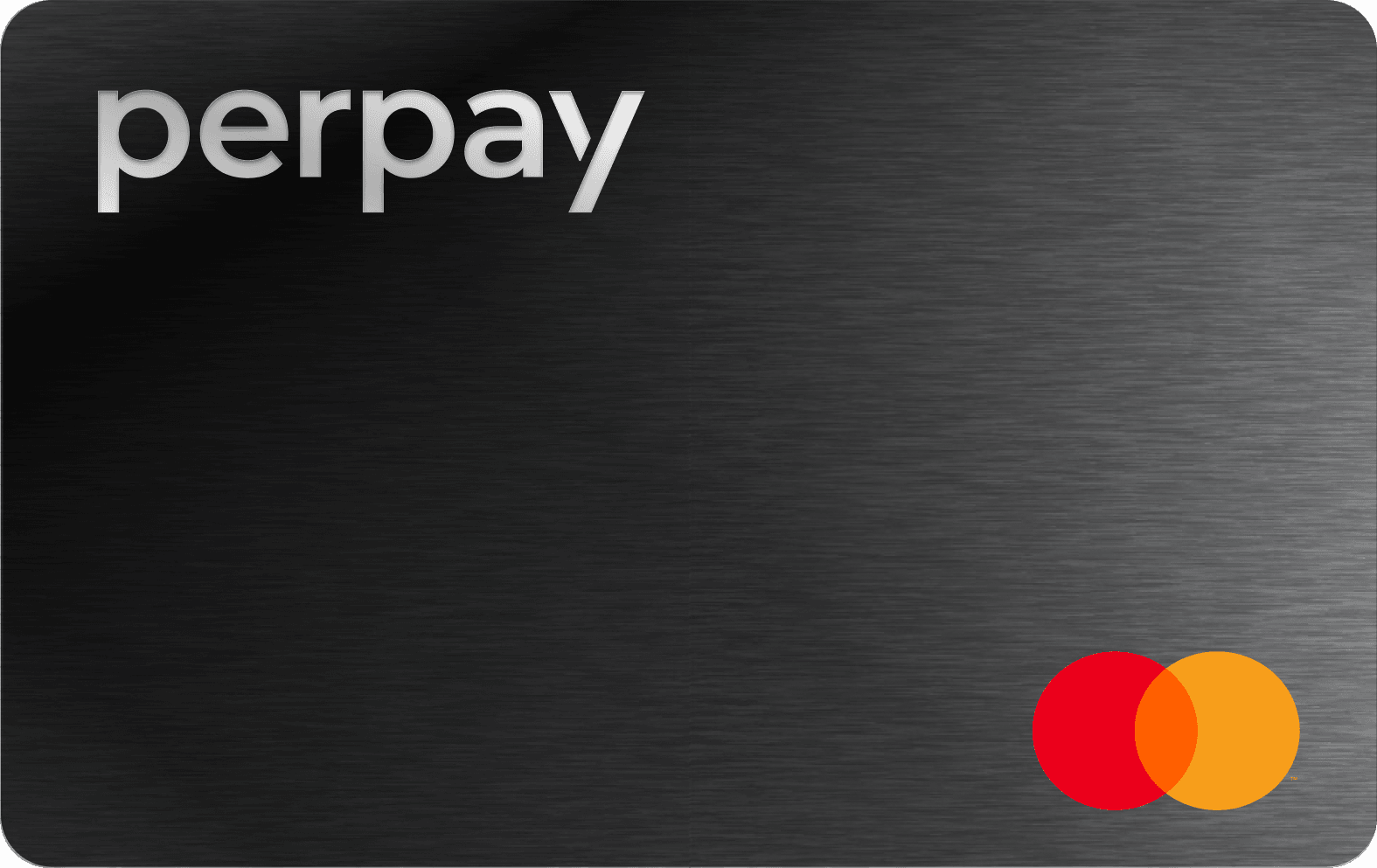
Perpay Credit Card
Meet the only card powered by your paycheck. With automatic transfers from your paycheck, you can manage payments stress-free and build credit with ease.
Fee
$9/month plus $9 account opening fee
APR
Marketplace: 0% / Credit Card: 27.74% to 29.99% depending on your creditworthiness.
Minimum Deposit Amount
$0
Credit Check
No
Cashback
2% reward on purchases made in Perpay Marketplace
Benefit
2% rewards, no security deposit
To build credit without a deposit and with no traditional credit-score check, the Arro Card reviews your income and bank data instead of relying on a score. It reports to the major bureaus, earns 1% cash back, and lets you raise your limit over time by completing in-app financial lessons. Note the variable APR around 24.99% and an annual fee of up to $60.
Arro Card
Arro Card
No deposit. No hard credit check. Start with up to $300 and grow your credit line to $2,500 by completing in-app tasks. Earn 1% cash back on gas and groceries — including Walmart and Target.
Standout feature
Unsecured — no deposit required
Fees
up to $60/ year
Pros
1% cash back on gas & groceries
Cons
Starting credit limit: $50–$300
What users commonly report
Shoppers who use the McCoy's card on large building projects tend to like the 6%-equivalent rewards rate and the no-annual-fee structure. The Building Bucks certificates are a frequent highlight for contractors and DIY homeowners with steady project spend.
The most common complaint is the high APR, which turns into a costly trap for anyone who carries a balance. Some users also note the friction of redeeming certificates, since each one requires a separate $50 purchase. A real limitation is that the card is useless outside McCoy's, so it only earns its keep if you shop there often.
The verdict
The McCoy's Consumer Credit Card is a solid niche tool for loyal McCoy's customers who pay in full. The rewards rate is generous for a store card, and there is no annual fee. The catch is a steep APR that punishes anyone who revolves a balance, plus the fact that it only works at McCoy's.
If you want a card you can use everywhere or you are still building credit, compare it against a general-purpose builder card before you sign up at the register.
Frequently Asked Questions
Who issues the McCoy's credit card?
The McCoy's Consumer Credit Card is issued and serviced by Synchrony Bank. McCoy's Building Supply is the retail brand, but Synchrony handles approvals, statements, and customer service.
Can I use the McCoy's card anywhere?
No. It is a private-label store card with no Visa or Mastercard network, so it only works at McCoy's locations and on your McCoy's account. For purchases elsewhere you would need a general-purpose card.
What credit score do I need for the McCoy's card?
There is no published minimum, but Synchrony store cards are generally attainable with fair credit, often cited around 640 and up. McCoy's offers a prequalification that does not affect your score before you formally apply.
Does the McCoy's card report to the credit bureaus?
Yes. As a Synchrony account, your payment activity is reported to the major credit bureaus, so on-time payments can help build credit and missed payments can hurt it.




