
You are one click from checkout, and two buttons stare back: "Pay with PayPal" or type in your credit card. Most people pick whichever feels familiar. But the two payment methods protect your money differently, and the gap shows up exactly when something goes wrong.
Here is how paying with PayPal vs a credit card compares as of July 2026. This is about how you pay at checkout, not PayPal's own credit products, which are a separate topic.
The Quick Answer
Credit cards carry the strongest legal protections and earn rewards. PayPal hides your card number from merchants and adds its own 180-day dispute program. For most people, the smart move is to combine them: pay through PayPal, funded by a rewards credit card.
Buyer Protection: 180 Days vs Federal Law
| Protection (as of July 2026) | Paying with PayPal | Paying with a credit card |
|---|---|---|
| Dispute program | Purchase Protection, 180 days from payment | Issuer chargebacks plus Fair Credit Billing Act rights |
| What it covers | Item never arrived, or significantly not as described | Billing errors, undelivered goods, fraud |
| Fraud liability | $0 for unauthorized transactions reported promptly | Capped at $50 by federal law, $0 under most issuer policies |
| How you file | PayPal Resolution Center | Call or message your card issuer |
PayPal Purchase Protection gives you 180 days from payment to open a dispute if an item never arrives or is significantly not as described. When PayPal sides with you, you get the full purchase price plus original shipping refunded.
Two big exclusions to know: payments sent as "Friends and Family" are not covered at all, and some categories like vehicles, real estate, and custom-made items fall outside the program.
Credit cards protect you by law. The Fair Credit Billing Act lets you dispute billing errors, formally within 60 days of the statement date, though card networks often accept chargebacks beyond that window in practice. Your fraud liability is capped at $50 by federal law, and most issuers drop it to $0.
Security: Who Sees Your Card Number
When you pay through PayPal, the merchant never sees your card number. PayPal passes the payment through, so a data breach at that store cannot leak your card details.
Paying with a card directly hands the merchant your number, which is why breaches lead to reissued cards. Card networks offset this with zero-liability policies, instant card locks in most banking apps, and virtual card numbers at many issuers. Either way, you are not on the hook for fraud you report promptly.
Rewards: Credit Cards Win, Unless You Stack
Pay from your PayPal balance or a linked bank account and you earn nothing. Fund the same purchase with a credit card and most cards earn rewards normally, since PayPal purchases post like regular card purchases. A few category bonuses may code differently, but flat-rate cash back applies cleanly.
You do not need excellent credit to start earning on your everyday checkout, either. The Aspire Mastercard is an unsecured card with no security deposit that accepts applicants starting around 580 FICO, reports to all three bureaus, and pays up to 3% cash back, so PayPal purchases funded with it still earn while you build credit.
Aspire® Cash Back Rewards Mastercard
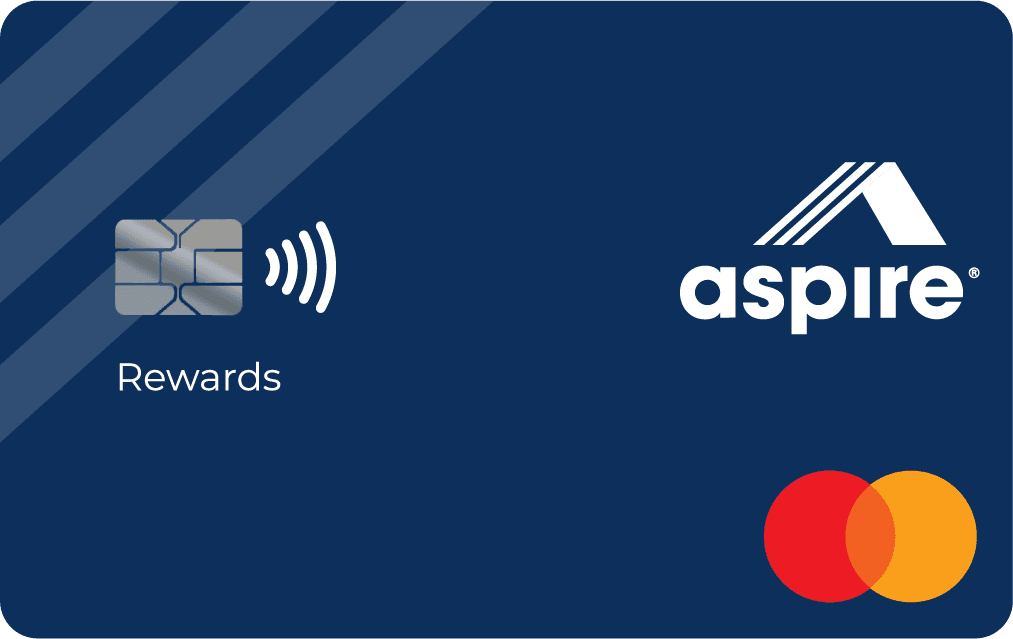
Aspire® Cash Back Rewards Mastercard
Aspire® Cash Back Rewards Mastercard. Prequalify* For Up To $1000 Credit Limit. No security deposit. Packed with great benefits, it’s designed to give you more flexibility—and purchasing power—along with up to 3% cash back rewards!** Good anywhere Mastercard is accepted, it’s the go-to card for any lifestyle.
Standout feature
Up to 3% cashback rewards**
Fees
$85–$175 first year, $229 thereafter (maintenance fees already included)
Pros
No Deposit Required. Prequalify* for up to $1000 credit limit
Cons
High APR, 36% Fixed.
If your file is thin or you want to avoid a hard credit check, the Arro Card starts with a limit around $300 that can grow toward $2,500, charges no security deposit, and earns 1% cash back on gas and groceries.
Arro Card
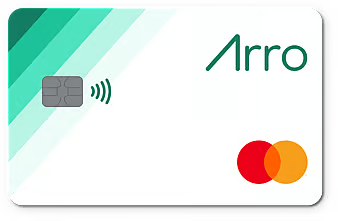
Arro Card
No deposit. No hard credit check. Start with up to $300 and grow your credit line to $2,500 by completing in-app tasks. Earn 1% cash back on gas and groceries — including Walmart and Target.
Standout feature
Unsecured — no deposit required
Fees
up to $60/ year
Pros
1% cash back on gas & groceries
Cons
Starting credit limit: $50–$300
Fees to Watch on Each Side
Standard PayPal purchases cost the buyer nothing extra in the US. The fees hide at the edges:
- Sending money as Friends and Family with a card costs 2.9% plus a fixed fee
- PayPal's currency conversion typically adds around 3% to 4% on top of the base exchange rate
- Credit cards used abroad can charge a foreign transaction fee of up to 3%, unless the card waives it
For international checkouts, compare both paths. Sometimes letting your no-foreign-fee credit card do the conversion beats PayPal's rate.
The Smart Setup: Layer Both Protections
Set a rewards credit card as your PayPal funding source and you get three layers at once: card rewards, PayPal hiding your number, and two dispute paths.
If a purchase goes wrong, start with PayPal's Resolution Center, since it is usually faster. If that fails, you can still request a chargeback from your card issuer. File in that order, because opening a chargeback typically closes your PayPal dispute.
One more habit worth building: watch your credit file while you spend. Creditship is a free AI-powered credit monitor that tracks all three bureaus and flags new accounts and suspicious changes, which is exactly where payment fraud eventually surfaces.
Creditship

Creditship
Get free credit monitoring and concrete advice how to improve your credit from Creditship AI.
Standout feature
AI Credit Coach. AI analyzes your credit report in depth and gives you tailored, actionable steps to raise your score.
Fees
Free
Pros
Free credit report access plus monitoring and alerts
Cons
No credit repair feature
Frequently Asked Questions
Is it safer to pay with PayPal or a credit card?
They are safe in different ways. PayPal keeps your card number away from merchants, while credit cards carry federal fraud caps and issuer chargebacks. Funding PayPal purchases with a credit card gives you both layers at once.
Do I earn credit card rewards when I pay through PayPal?
Yes, as long as your credit card is the funding source. Most cards treat PayPal transactions as normal purchases, though a few merchant-specific category bonuses may not code as expected.
Can I file a credit card chargeback for something I bought with PayPal?
Yes, if the purchase was funded by your card. Try PayPal's Resolution Center first, since filing a chargeback with your issuer typically closes the PayPal dispute on the same transaction.
Does paying with PayPal build credit?
No. Paying from a PayPal balance or bank account never touches your credit file. Only credit products report to the bureaus, such as a credit card you fund PayPal with, which builds history through its own on-time payments.




