
You aced the interview, the offer feels close, and then you see it on the paperwork: the company wants to run a background check. For a lot of applicants, that raises one nervous question. Will a pre employment credit check reveal a rough patch and cost me the job?
The honest answer is that these checks are more limited than most people fear, and you have real rights when one is run. Here is what employers can actually see and how to prepare.
What a Pre Employment Credit Check Shows
An employment credit check is not the same as the report a lender pulls. Employers see a modified version built for hiring, and it usually leaves out some details that appear on a lending report.
Typically it can show your open credit accounts, balances, payment history, accounts in collections, and public records like bankruptcies. It does not, in most cases, show your three-digit credit score, and it will not include your account numbers or your spouse's information.
Because this report reflects the same accounts and collections a lender would see, it helps to know what is on yours before an employer does. A monitoring tool like Creditship can help you keep tabs on your report and catch errors early.
Creditship

Creditship
Get free credit monitoring and concrete advice how to improve your credit from Creditship AI.
Standout feature
AI Credit Coach. AI analyzes your credit report in depth and gives you tailored, actionable steps to raise your score.
Fees
Free
Pros
Free credit report access plus monitoring and alerts
Cons
No credit repair feature
Why Employers Run Credit Checks
Employers do not run these checks to judge your lifestyle. They tend to use them for roles where money or sensitive access is involved, such as finance, accounting, or positions handling cash.
The idea is to look for patterns that might matter for the job, like heavy debt in collections for a role that manages company funds. Many jobs do not call for a credit check at all, so plenty of applicants never face one.
Your Rights Under the FCRA
The federal Fair Credit Reporting Act, or FCRA, sets the rules when an employer uses a third party to pull your report. These protections apply as of July 2026, and they are meaningful.
- The employer must get your written permission before pulling the report.
- If they consider rejecting you based on the report, they must first send a pre-adverse action notice with a copy of the report and a summary of your rights.
- You get time to review it and dispute errors before a final decision.
- If they still decide against you, they must send a final adverse action notice.
There is also a lookback limit for lower-paying roles. For positions paying under $75,000 a year, certain older negative items, generally seven years or more, may not be reported. That limit does not apply to jobs paying $75,000 or more.
States That Limit or Ban Credit Checks
Several states restrict when employers can use credit information for hiring. As of July 2026, at least 13 states limit the practice, including California, Colorado, Illinois, Maryland, New York, and Washington.
New York is a notable recent change. Effective April 18, 2026, a state law makes it an unlawful discriminatory practice for most New York employers to request or rely on an applicant's credit information, with narrow exceptions for roles where the law requires it. Other states have pending bills, so rules can keep shifting. Local laws in some cities add further protections.
What Hurts and What Does Not
Missing a single payment years ago is unlikely to sink an offer. Employers reviewing these reports usually look for larger patterns, not one-off blemishes.
Items that can draw attention include heavy collections, recent bankruptcies, or large unpaid debts, especially for money-handling roles. A thin file or a modest balance paid on time generally is not a red flag.
If your file is thin, adding steady on-time payments over time can help fill it out. A credit-builder product like the Self Visa® Credit Card is designed to help you build that kind of positive history.

How to Prepare Before You Apply
You cannot rewrite your history overnight, but you can put your best foot forward. Start by pulling your own reports so you know what an employer might see.
- Request your free reports and check for errors.
- Dispute anything inaccurate with the credit bureaus.
- Bring current any accounts you can before a job search.
- Be ready to briefly explain a past hardship if asked.
If you want to strengthen your profile over the longer term, credit-builder tools can help you add steady, on-time history. A card like the Current Build Card is designed for that purpose. These tools support good habits but cannot guarantee any hiring outcome, and results vary.
Current Build Card
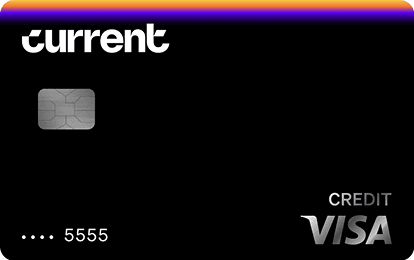
Current Build Card
$0 annual fee. No minimum deposit required. No credit check required. 1 point per dollar on eligible categories. Reports to Experian, TransUnion, Equifax.
Fee
$0
APR
0%
Minimum Deposit Amount
$0
Credit Check
No
Cashback
1 point/dollar on eligible categories (with qualifying payroll deposit)
Benefit
No credit check, no deposit minimum
Frequently Asked Questions
Does a pre employment credit check show my credit score?
Usually no. Employment credit reports are a modified version that typically leaves out your three-digit score and your account numbers. Employers generally see items like accounts, balances, payment history, and public records instead.
Can an employer run a credit check without my permission?
Not when they use a third-party reporting agency. The FCRA requires your written consent first. If they consider rejecting you based on the report, they must also send you a notice and a copy before making a final decision.
Does a credit check for a job hurt my credit score?
No. An employer's review is treated as a soft inquiry, which does not lower your score. You can check your own report as often as you like without any impact.
Which states ban employment credit checks?
As of July 2026, at least 13 states limit or ban the practice, including California, Colorado, Illinois, Maryland, New York, and Washington. New York's broad ban took effect April 18, 2026. Rules vary and continue to change, so check your state and city.
This article is for general education and is not legal or financial advice. Firstcard is a financial-comparison platform and does not issue credit products. Verify current rules and terms with the relevant provider or agency.




