
Getting passed over for a job because of your credit report feels unfair, especially when your credit has nothing to do with the work. A growing number of places agree. As of July 2026, a group of states that ban credit checks for employment protects workers from exactly that, and the list keeps expanding.
Firstcard put together this guide so you know your rights and can take back control of your credit. Let's start with why employers ever look.
Why Employers Check Credit
Some employers pull a version of your credit report during hiring. They say it hints at responsibility or reduces risk for jobs that handle money. Critics point out that credit problems often come from medical bills, job loss, or divorce, and do not predict job performance.
That debate is why so many states have stepped in.
Because some employers still weigh your history, quietly building positive credit gives them less to question. The Current Build Card lets you build credit using your own money, with no hard credit check to get started.
Current Build Card
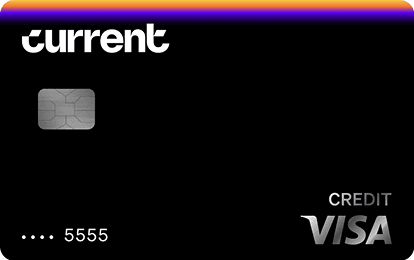
Current Build Card
$0 annual fee. No minimum deposit required. No credit check required. 1 point per dollar on eligible categories. Reports to Experian, TransUnion, Equifax.
Fee
$0
APR
0%
Minimum Deposit Amount
$0
Credit Check
No
Cashback
1 point/dollar on eligible categories (with qualifying payroll deposit)
Benefit
No credit check, no deposit minimum
States That Ban Credit Checks for Employment
As of July 2026, eleven states broadly restrict employers from using your credit history in hiring decisions (Littler, 2026). They are:
- California
- Colorado
- Connecticut
- Hawaii
- Illinois
- Maryland
- Nevada
- Oregon
- Vermont
- Washington
- New York
New York is the newest. Its statewide ban took effect on April 18, 2026, making it the eleventh state to limit these checks (Mayer Brown, 2026).
Cities With Their Own Bans
Even in states without a statewide law, some cities protect workers on their own:
- New York City has banned most employment credit checks since 2015 under its Stop Credit Discrimination in Employment Act.
- Chicago restricted them back in 2012.
- Philadelphia added its ban in 2021.
- Washington, D.C. also limits the practice.
So your city may protect you even if your state does not.
What the Bans Do and Do Not Cover
These laws are not total bans. Most include exceptions for certain jobs, and the details differ by state.
Common carve-outs let employers still check credit for:
- Jobs with access to large amounts of cash or assets
- Positions that require a security clearance or bonding
- Certain managerial, banking, or law enforcement roles
Illinois, for example, still allows checks when a worker will control $2,500 or more in assets. So even in a state with a ban, some roles remain fair game.
What to Do If You Live in a State Without a Ban
If you are not covered, you still have rights under the federal Fair Credit Reporting Act. An employer must get your written permission before pulling your credit, and must tell you if that report factors into a decision not to hire you.
You can ask whether a credit check is part of the process, and you can offer context for anything negative, like a medical debt or a past hardship you have since handled.
It also helps to know exactly what an employer might see. Free monitoring from Creditship.ai lets you watch your report for errors and track your progress, so nothing on it catches you by surprise.
Creditship

Creditship
Get free credit monitoring and concrete advice how to improve your credit from Creditship AI.
Standout feature
AI Credit Coach. AI analyzes your credit report in depth and gives you tailored, actionable steps to raise your score.
Fees
Free
Pros
Free credit report access plus monitoring and alerts
Cons
No credit repair feature
How to Build Credit So It Is Not a Barrier
Whether or not your state has a ban, stronger credit gives you fewer things to worry about at hiring time. And the same habits that lift your score help with renting, borrowing, and insurance too.
Low-barrier options help you add positive history without much upfront cost. The Kikoff Secured Credit Card adds low-cost payment history over time. Results vary, and no product can promise a specific score change, but paying on time and keeping balances low are the habits that help most.
A popular all-in-one starting point is the Self Visa® Credit Card, which pairs a savings plan with a secured card that reports to the bureaus, so the money you set aside builds real credit history over time.

Frequently Asked Questions
Which states ban credit checks for employment in 2026?
As of July 2026, eleven states broadly limit them: California, Colorado, Connecticut, Hawaii, Illinois, Maryland, Nevada, Oregon, Vermont, Washington, and New York. Each law has its own exceptions for certain jobs.
Can an employer check my credit without telling me?
No. Under the federal Fair Credit Reporting Act, an employer must get your written consent before pulling a credit report and must notify you if the report leads to a decision against you.
Does a job credit check show my credit score?
Usually not. Employment credit checks typically show a modified report with account and payment history but not your actual credit score. They also generally do not lower your score, since they count as a soft inquiry.
Do these bans cover every job?
No. Most laws include exceptions for roles involving large sums of money, security clearances, bonding requirements, or certain managerial and financial positions. The specific carve-outs vary by state and city.




