
All three of these cards come from Chase, all three charge no annual fee, and all three pay cash back. So which one belongs in your wallet? It comes down to where you spend and how much you shop at Amazon.
The Amazon Prime Visa is built for Amazon loyalists. The Chase Freedom Flex and Freedom Unlimited spread rewards across everyday spending. Here is how they compare, with current terms as of June 2026.
Amazon Prime Visa vs Chase Freedom: Comparison Table
| Feature | Amazon Prime Visa | Chase Freedom Flex | Chase Freedom Unlimited |
|---|---|---|---|
| Annual fee | $0 (Prime membership required) | $0 | $0 |
| Rewards | 5% Amazon, Whole Foods, Chase Travel; 2% gas, dining, transit; 1% else | 5% rotating categories (up to $1,500/qtr, activation needed); 1% else | 1.5% on everything (plus elevated dining and drugstore) |
| Welcome bonus | $200 Amazon gift card on approval (varies) | $200 after $500 in 3 months | $200 after $500 in 3 months |
| Purchase APR | 18.74%-27.49% variable, no intro | 0% intro 15 mo, then 18.24%-27.74% variable | 0% intro 15 mo, then 18.24%-27.74% variable |
| Foreign transaction fee | $0 | 3% | 3% |
| Who it fits | Heavy Amazon and Whole Foods shoppers | People who track rotating categories | People who want simple flat-rate rewards |
Terms and conditions apply. APRs vary by creditworthiness.
Where the Amazon Prime Visa Wins
If you shop at Amazon and Whole Foods often, the Prime Visa is hard to beat. You earn unlimited 5% back at Amazon, Whole Foods, and on Chase Travel, plus 2% at gas stations, restaurants, and on transit.
It also has no foreign transaction fee, which the Freedom cards cannot match. The welcome bonus comes as an Amazon gift card, often $200, credited on approval with no spending required.
The one cost is the Prime membership requirement. You need an active Prime subscription to unlock the 5% rate, so factor that fee into your math.
Where the Chase Freedom Cards Win
The Freedom Flex pays 5% in rotating quarterly categories, like Amazon, Chase Travel, gas, or grocery, up to $1,500 in combined spending each quarter. You have to activate the categories each quarter to earn the bonus.
The Freedom Unlimited keeps it simple at 1.5% on everything, with elevated rates on dining and drugstores. Both Freedom cards also offer 0% intro APR for 15 months on purchases and balance transfers, which the Prime Visa does not.
Neither Freedom card needs a paid membership to unlock its rewards. That makes them more flexible if your spending is spread out rather than concentrated at Amazon.
All three cards require good to excellent credit. If your score is still growing, an accessible card can get you started. The Aspire Mastercard is unsecured with no deposit, lets you prequalify for up to $1,000, pays up to 3% cash back, and reports to all three bureaus.
Aspire® Cash Back Rewards Mastercard
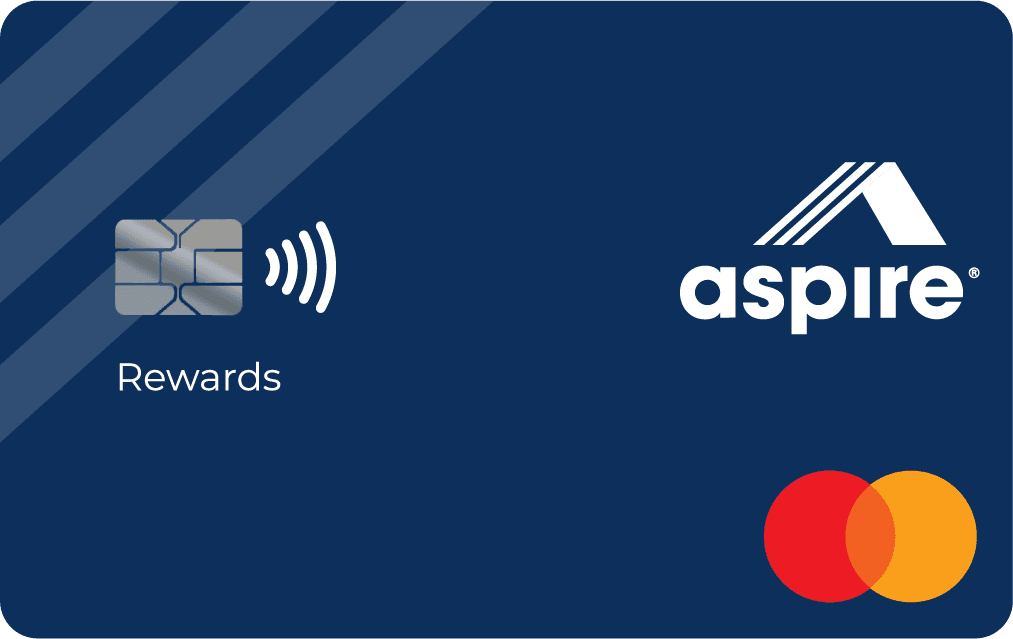
Aspire® Cash Back Rewards Mastercard
Aspire® Cash Back Rewards Mastercard. Prequalify* For Up To $1000 Credit Limit. No security deposit. Packed with great benefits, it’s designed to give you more flexibility—and purchasing power—along with up to 3% cash back rewards!** Good anywhere Mastercard is accepted, it’s the go-to card for any lifestyle.
Standout feature
Up to 3% cashback rewards
Fees
$49 to $175; after that $0 to $49 annually; - $60 to $159 annually billed at $5 to $12.50 per month after the first year.
Pros
No Deposit Required. Prequalify for up to $1000 credit limit
Cons
High APR. 25.74% to 36%, based on your creditworthiness.
Which Card Should You Choose?
Go with the Amazon Prime Visa if you already pay for Prime and do a lot of your shopping on Amazon or at Whole Foods. The 5% back and no foreign transaction fee make it a clear winner for that profile.
Choose the Freedom Flex if you enjoy chasing rotating 5% categories and remember to activate them each quarter. Pick the Freedom Unlimited if you want one card that pays a solid flat rate with zero tracking.
Many people actually pair two of these. A flat-rate card for everyday spending plus a category card for bonus areas can capture more rewards than any single card.
If approval is the hurdle, a no-credit-check option can help you build first. Perpay is paycheck-powered with no deposit and no credit check, pays 2% rewards, and reports payments to help build credit, with users seeing an average 30-point increase.
Perpay Credit Card
Perpay Credit Card
Meet the only card powered by your paycheck. With automatic transfers from your paycheck, you can manage payments stress-free and build credit with ease.
Fee
$9/month plus $9 account opening fee
APR
Marketplace: 0% / Credit Card: 27.74% to 29.99% depending on your creditworthiness.
Minimum Deposit Amount
$0
Credit Check
No
Cashback
2% reward on purchases made in Perpay Marketplace
Benefit
2% rewards, no security deposit
Build the Credit These Cards Want
The Prime Visa and both Freedom cards expect good to excellent credit. If you are not there yet, a builder card focused on on-time payment history is the fastest way to close the gap.
The Self Visa pairs a secured credit card with a credit-builder account and reports to all three bureaus. It is a practical way to build the history these Chase cards want to see before you apply. Terms and conditions apply.
The Bottom Line
The Amazon Prime Visa wins for Amazon and Whole Foods regulars who already pay for Prime, thanks to 5% back and no foreign transaction fee. The Freedom Flex rewards people who track rotating categories, while the Freedom Unlimited suits anyone who wants simple flat-rate cash back with an intro APR window.
There is no single best card here, only the best fit for your spending. All three report to the major bureaus, so responsible use can help your credit. The regular APR varies by creditworthiness, and terms and conditions apply.
Frequently Asked Questions
Is the Amazon Prime Visa better than the Chase Freedom Unlimited?
It depends on where you spend. The Prime Visa pays 5% at Amazon and Whole Foods and waives foreign transaction fees, but it requires a paid Prime membership. The Freedom Unlimited pays 1.5% on everything with no membership and adds a 0% intro APR, which the Prime Visa lacks.
Do you need Amazon Prime for the Amazon credit card?
You need an active Prime membership to earn the headline 5% rate at Amazon and Whole Foods. Without Prime, the card earns a lower rate, so the membership fee should be part of your value calculation.
Can you have both an Amazon Prime Visa and a Chase Freedom card?
Yes. Many cardholders carry both and use the Prime Visa for Amazon and Whole Foods while using a Freedom card for everyday spending. Approval still depends on Chase's overall credit and application rules.
Which of these cards charges foreign transaction fees?
The Amazon Prime Visa charges no foreign transaction fee, making it useful abroad. Both the Chase Freedom Flex and Freedom Unlimited charge a 3% foreign transaction fee, so they are less ideal for international purchases.




