
Moving to the United States from India is exciting, but it usually comes with one big surprise: your Indian credit history doesn't follow you. In the US, you essentially start from zero, even if you've held credit cards and home loans back home for years.
For a Non-Resident Indian, also called an NRI, getting that first US credit card is one of the most important early steps. It impacts apartment leases, phone plans, car loans, and even some job applications. Our broader guide on how to build credit as an immigrant in the US covers the bigger picture.
The good news is that you don't always need a Social Security Number, perfect English, or a long US address history to get approved. Let's walk through what's available and how to pick the right path.
Why NRIs Need a US Credit Card
US credit scores are built from US accounts that report to Experian, Equifax, or TransUnion. Your CIBIL score in India is invisible to American lenders, so your strong financial history there doesn't carry over.
Without a US score, you may face:
- Higher security deposits on apartments and utilities. Our guide on how to rent an apartment as an immigrant with no credit covers what to expect.
- Trouble financing a car or qualifying for an auto lease.
- Rejection or high rates on mortgages and personal loans.
- Limited card options with high fees and low limits.
Getting a credit card early, even with a modest limit, lets you start building a positive payment history right away. The Firstcard credit card for immigrants is built specifically for this audience.
What You Need to Apply
Most US credit card applications ask for some form of taxpayer ID. NRIs usually have one of two options:
- A Social Security Number, or SSN, if you have work authorization.
- An Individual Taxpayer Identification Number, or ITIN, issued by the IRS.
Many traditional banks still insist on an SSN, which can lock out NRIs on dependent visas, students, and recent arrivals. A growing number of fintech-backed cards accept an ITIN, which opens the door for more people. Walk through our step-by-step on how to apply for a credit card with ITIN, not SSN to see what to expect.
You'll also need a US address, a US phone number, and some way to fund the account, like a US bank account or debit card.
If you don't have an SSN yet, getting a U.S. Individual Taxpayer Identification Number (ITIN) opens up most credit-builder accounts. TheITIN.com handles the W-7 application end-to-end, 100% online. It's usually the first step for newcomers before applying for any U.S. financial product.
TheITIN.com

TheITIN.com
No SSN? No problem. TheITIN.com makes getting your U.S. tax ID (ITIN) fast and painless — 100% online. Perfect for people who need to start building credit, file taxes, or open bank accounts in America.
Standout feature
100% online ITIN application. No hidden fees. Trusted by thousands with 4.8★ on Trustpilot.
Fees
Starting at $497
Pros
Fast, fully online process. Highly rated customer support (4.8★ Trustpilot). Transparent pricing with no hidden fees.
Cons
Processing time depends on IRS (can take up to 14 weeks).
Why an ITIN-Friendly Card Matters
Getting an ITIN takes time, but it's often the key to building credit if you don't have an SSN. Once you have one, you can apply for credit cards designed for newcomers and immigrants. See our roundup of the best credit cards for ITIN holders for current picks.
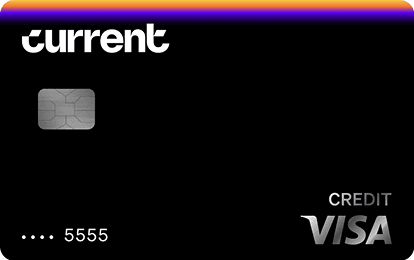
Current Build Card is one option that's worth a close look. It accepts an ITIN instead of an SSN, doesn't require a credit check, and is built specifically to help people establish or rebuild credit in the US.
Current Build Card
Current Build Card
$0 annual fee. No minimum deposit required. No credit check required. 1 point per dollar on eligible categories. Reports to Experian, TransUnion, Equifax.
Fee
$0
APR
0%
Minimum Deposit Amount
$0
Credit Check
No
Cashback
1 point/dollar on eligible categories (with qualifying payroll deposit)
Benefit
No credit check, no deposit minimum
Because it's a secured-style product tied to a Current account, you typically deposit money that backs your spending, which is then reported as on-time payments to the credit bureaus. Terms and conditions apply, and APRs vary by creditworthiness.
For a deeper dive, you can read our full Current Build Card review before applying.
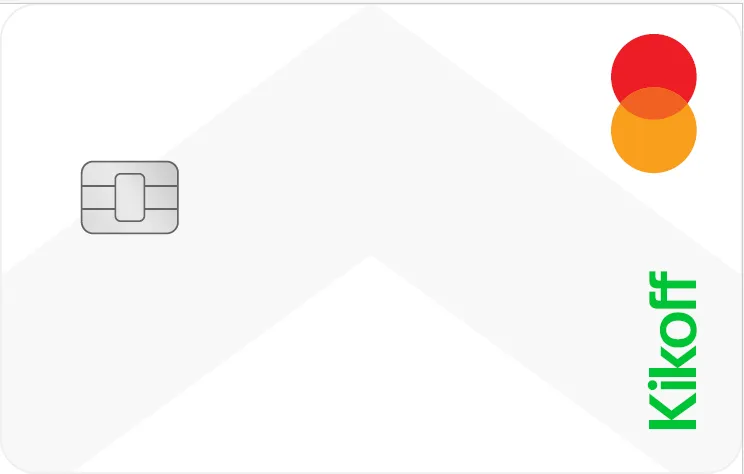
Beyond the Build Card, Kikoff Secured Credit Card works like a debit-credit hybrid with 0% interest and no credit check, which is helpful for newcomers who don't yet have a U.S. credit footprint. Kikoff also includes rent reporting in the subscription.
Kikoff Secured Credit Card
Kikoff Secured Credit Card
Kikoff Secured Credit Card works like a debit card & checking account and performs like a credit builder. Build credit with your everyday purchases.
APR
0%
Minimum Deposit Amount
$0
Credit Check
No
Cashback
Yes
Benefit
0% interest. No credit check.
Other Cards That May Work for NRIs
Beyond Current, there are a few other paths NRIs commonly explore. Each has its own quirks.
Secured Credit Cards
Secured cards ask for a refundable security deposit that acts as your credit limit. Many issuers in this space accept an ITIN, including some major banks for existing customers. The deposit lowers the lender's risk, which is why they're easier to get approved for. See our list of the best secured credit cards for immigrants for top picks.
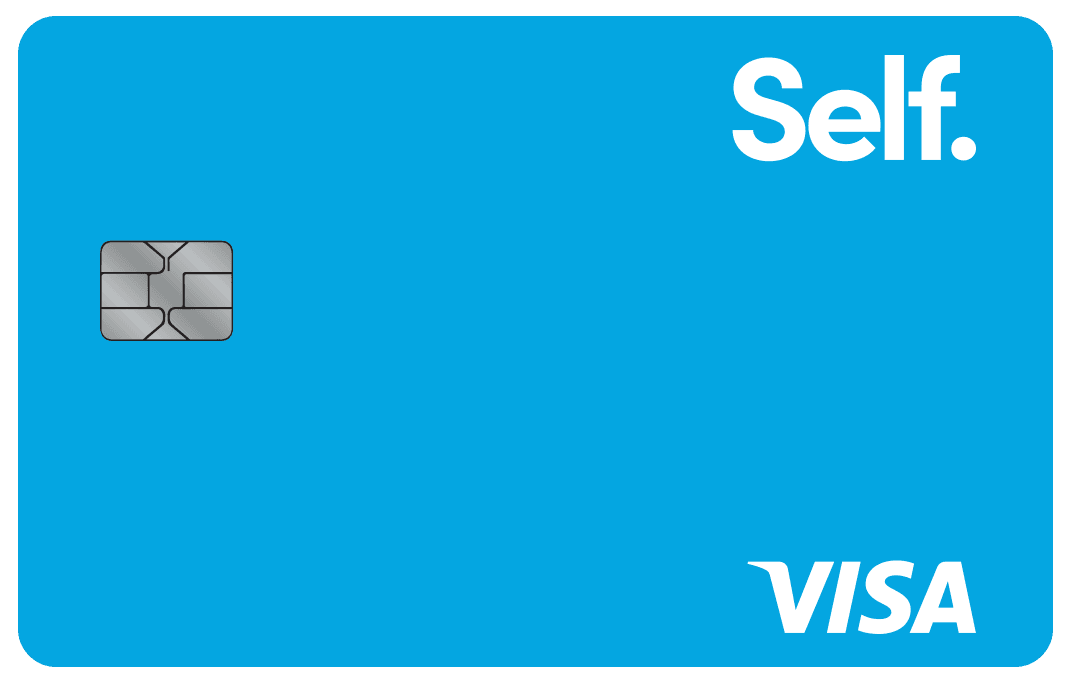
Free monitoring is the diagnosis. Self Visa® Credit Card is the treatment for thin credit files. It's backed by your own savings, reports to all three bureaus, and has no hard pull at signup. That makes it a simple way to add positive credit history alongside monitoring.
Student Cards
If you're an NRI student in the US, you may qualify for a student credit card, especially through your university's bank partner. These are designed for limited credit history and often skip the SSN requirement for certain visa types. Compare options in our roundup of the best credit cards for international students.
Authorized User Status
If a family member already in the US has good credit, they can add you as an authorized user on their card. This can give your file a head start, though it depends on the issuer reporting authorized users to the bureaus.
Tips for Building Credit Fast as an NRI
Getting approved is just step one. To actually build a solid score, focus on a few habits.
- Pay every bill on time. Payment history is the biggest factor in your score.
- Keep utilization low. Aim to use less than 30% of your credit limit, ideally under 10%.
- Avoid applying for multiple cards at once. Each application creates a hard inquiry.
- Keep your oldest account open. Length of credit history helps your score grow.
- Mix credit types over time, like adding a small auto loan, once you're established.
With these habits, many NRIs see usable FICO scores within six to twelve months.
Mistakes NRIs Often Make
One common trap is closing old Indian credit cards before moving, thinking they're now useless. They're useless for US scoring, but if you ever plan to return or transact in India, keeping a card open can simplify life.
Another mistake is carrying a balance on a US card to "build credit faster." That's a myth. Paying interest doesn't boost your score, it just costs you money.
Finally, many newcomers ignore their credit report and never check it. You can pull a free copy from AnnualCreditReport.com weekly. Errors are common and worth disputing.
How Long Until You Have a Real Score?
Most scoring models need at least six months of credit activity before they generate a FICO score. So if you open a card today, expect a usable score around six months in.
From there, your score will grow as your accounts age and you keep building positive payment history. Many NRIs cross 700 within 18 to 24 months if they manage their cards well.
It's not instant, but it's much faster than starting from scratch later. You can also explore the Firstcard credit cards for credit building section for more options as your file matures.
Frequently Asked Questions
Can an NRI get a US credit card without an SSN?
Yes. Some cards, including ITIN-friendly options like Current Build Card, accept an Individual Taxpayer Identification Number. You'll still need a US address and bank account, but you don't have to wait for an SSN to start building credit.
Does my Indian credit history help me in the US?
Unfortunately, no. CIBIL and other Indian credit reports are not shared with US bureaus. You'll start with no US credit file, though some lenders may consider Indian history for specialty newcomer products.
Is a secured credit card a good first step for NRIs?
For many NRIs, yes. Secured cards are easier to get approved for, often accept an ITIN, and report to the credit bureaus. As long as you pay on time and keep balances low, they can help you graduate to unsecured cards over time.
How quickly can an NRI build a 700+ credit score?
With disciplined use of one or two cards, NRIs often reach the high 600s within a year. Crossing 700 typically takes 18 to 24 months, depending on credit mix, utilization, and avoiding late payments. There's no guaranteed timeline, but consistency makes a major difference.




