
Pull out your wallet and you might find three or four plastic cards that all look nearly identical. They have a 16-digit number, a Visa or Mastercard logo, and a chip. But the different card types in your pocket can behave in completely opposite ways. One pulls money straight from your bank, another lets you borrow, and another reports nothing to the credit bureaus at all.
Knowing the difference matters. The wrong card can leave you with surprise fees, no fraud protection, or zero progress on your credit. Here is a clear breakdown of the major card types and the rewards subtypes you will run into.
Credit Cards: You Borrow, Then Repay
A credit card lets you borrow money from the issuer up to a set limit. You buy now, then pay the balance back later. If you pay in full each month, you owe no interest. If you carry a balance, interest kicks in, and credit card APRs commonly run from about 20% to 30% as of June 2026.
Credit cards are the main tool for building a credit history. Most report your payments to all three major bureaus, Experian, TransUnion, and Equifax. On-time payments push your score up over time, while missed payments drag it down.
This category also has the most reward variety, which we cover below.
Debit Cards: Your Own Money, Instantly
A debit card is tied directly to your checking account. When you swipe, the money leaves your balance right away. You are not borrowing anything, so there is no interest and no monthly bill to pay off.
The catch is that debit cards do almost nothing for your credit score, because routine debit spending is not reported to the bureaus. They are great for day-to-day spending and avoiding debt, but they will not build credit on their own.
Banking apps like Current and Chime offer debit-friendly accounts with features like early direct deposit and fee-free overdraft options, which can make a debit card more useful for everyday money management. If you are weighing whether to open a checking account in the first place, that pairing is a good place to start.
Prepaid Cards: Load First, Spend Later
A prepaid card is not linked to a bank account or a credit line. You load cash onto it, then spend down to zero. Think of it as a reloadable gift card you can use almost anywhere the network is accepted.
Prepaid cards do not build credit and often carry activation, reload, or monthly fees. They can be handy for budgeting or for someone without a bank account, but they are usually the most expensive way to hold money if you are not careful about fees.
Charge Cards: Pay In Full Every Month
A charge card looks like a credit card but works on stricter terms. There is typically no preset spending limit, and you must pay the entire balance every month. You cannot carry a balance from month to month the way you can with a credit card.
Charge cards are less common today and often come with high annual fees aimed at heavy spenders. They reward discipline but punish anyone who cannot clear the full bill on time.
Secured Cards: A Deposit Unlocks Your Limit
A secured credit card requires a refundable security deposit that usually sets your credit limit. Put down $200, get a $200 limit. Because the deposit lowers the issuer's risk, these cards are far easier to qualify for with thin or damaged credit, and some of the low-deposit secured credit cards start the limit far below that.
Secured cards report to the bureaus just like regular credit cards, so they are a popular starting point for building credit. Many graduate you to an unsecured card and return your deposit after a stretch of on-time payments.
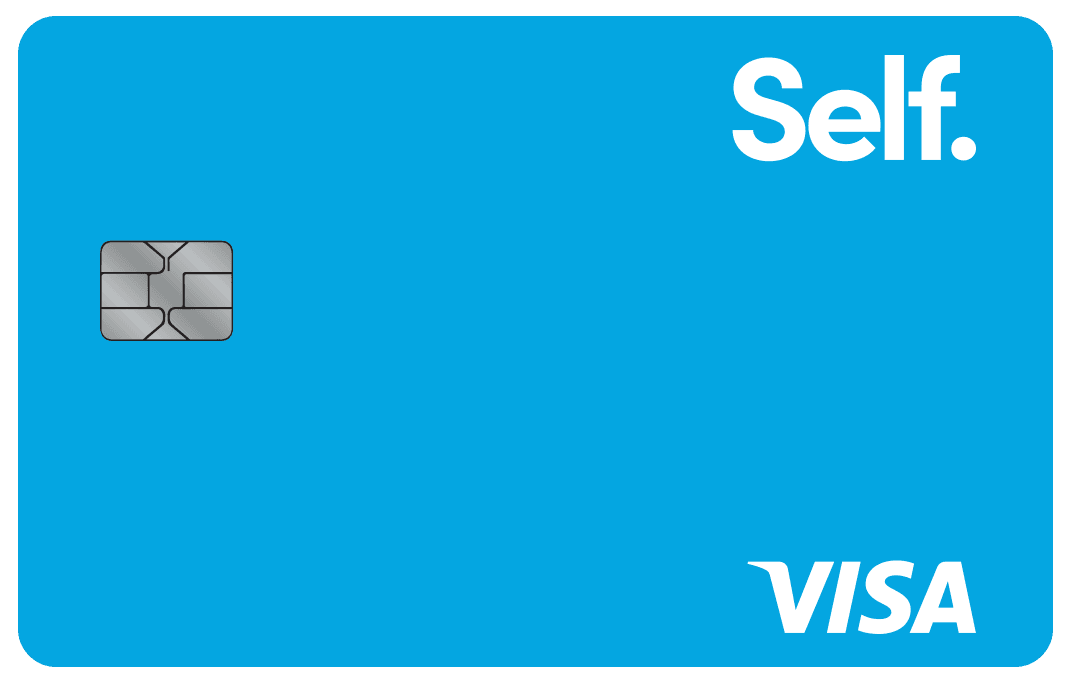
The Self Visa Credit Card is one example. It builds credit through a small secured deposit and reports to all three bureaus, with a variable APR of 27.49% as of January 2026 and a $25 annual fee after the first year, which makes it a clean fit if a secured card is the type you are weighing. Kikoff takes a slightly different angle as a no-deposit credit-builder line of credit starting at $5 per month with no interest, which makes it one of the cheapest ways to add a positive tradeline.
Store Cards: Useful In One Place Only
A store card, also called a closed-loop card, works only at one retailer or family of brands. A card tied to a specific department store cannot be used at the grocery store next door. Co-branded versions carry a Visa or Mastercard logo and can be used anywhere.
Store cards often approve people with lower scores and offer in-store discounts, but they frequently carry high APRs, sometimes near 30% or above. They can build credit if they report to the bureaus, but the single-store limitation makes them less flexible than a general card.
Rewards Subtypes Worth Knowing
Most reward credit cards fall into a few buckets. Knowing the subtype helps you match a card to how you actually spend.
- Cash-back cards return a percentage of spending as cash or statement credits, often 1% to 5% in specific categories, like the everyday cash back earners many shoppers use.
- Travel cards earn points or miles you redeem for flights, hotels, and transfers, sometimes with perks like free checked bags or lounge access, and there are even travel cards for fair credit if your score is still climbing.
- Balance-transfer cards offer a 0% intro APR for a set window so you can move existing debt and pay it down without interest, usually for a balance transfer fee of 3% to 5%.
- Business cards are built for company spending, with category bonuses, employee cards, and expense tools, and the best business credit cards separate personal and company costs cleanly.
A reward only counts if you pay in full. Carrying a balance at a 25% APR wipes out a 2% cash-back rate many times over. If you want the cash-back subtype without a deposit, the Aspire Cash Back Rewards Mastercard is one example that pairs up to 3% cash back with a prequalification path and no security deposit, so it fits the rewards-card bucket for someone still building.
Aspire® Cash Back Rewards Mastercard
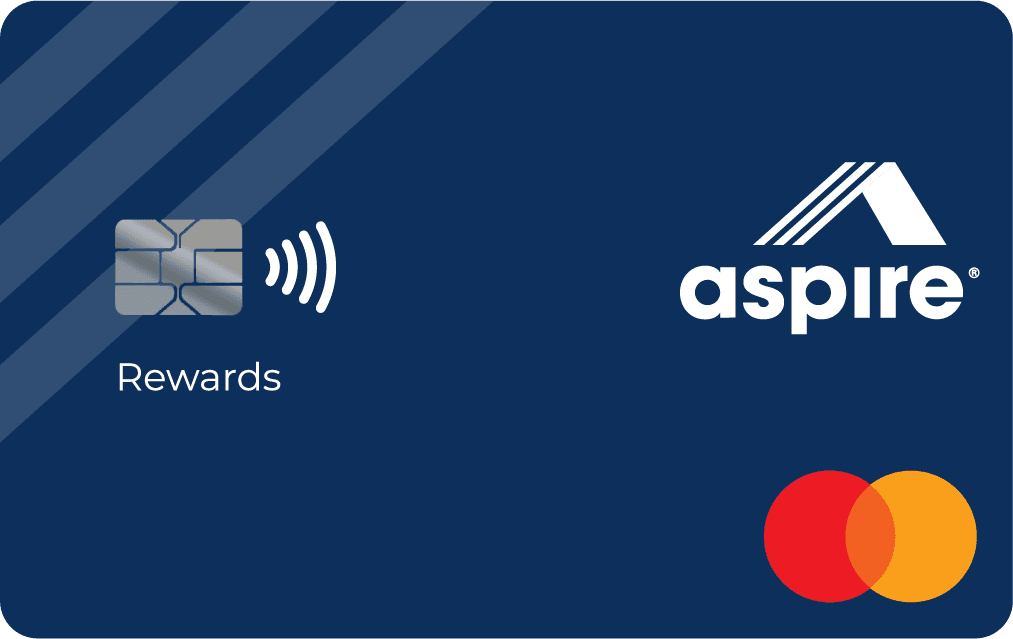
Aspire® Cash Back Rewards Mastercard
Aspire® Cash Back Rewards Mastercard. Prequalify* For Up To $1000 Credit Limit. No security deposit. Packed with great benefits, it’s designed to give you more flexibility—and purchasing power—along with up to 3% cash back rewards!** Good anywhere Mastercard is accepted, it’s the go-to card for any lifestyle.
Standout feature
Up to 3% cashback rewards
Fees
$49 to $175; after that $0 to $49 annually; - $60 to $159 annually billed at $5 to $12.50 per month after the first year.
Pros
No Deposit Required. Prequalify for up to $1000 credit limit
Cons
High APR. 25.74% to 36%, based on your creditworthiness.
How to Pick the Right Card Type
Start with your goal. If you want to build credit, a secured or starter credit card that reports to all three bureaus is the move. If you want to avoid debt entirely, a debit card or prepaid card keeps you spending only what you have.
If you already have solid credit and pay in full, a rewards credit card turns everyday spending into cash or travel. For tracking your progress along the way, Creditship offers free FICO score monitoring so you can see how each card affects your number.
If a deposit feels out of reach, a paycheck-powered option can be the easiest credit-builder card type to start with. Perpay is one such pick, building credit through automatic payroll deductions with no security deposit, which suits anyone who wants the borrowing-and-reporting benefit of a credit card without tying up cash up front.
Whatever you choose, read the terms first. Annual fees, APRs, and reward caps vary widely, and terms and conditions apply.
Perpay Credit Card
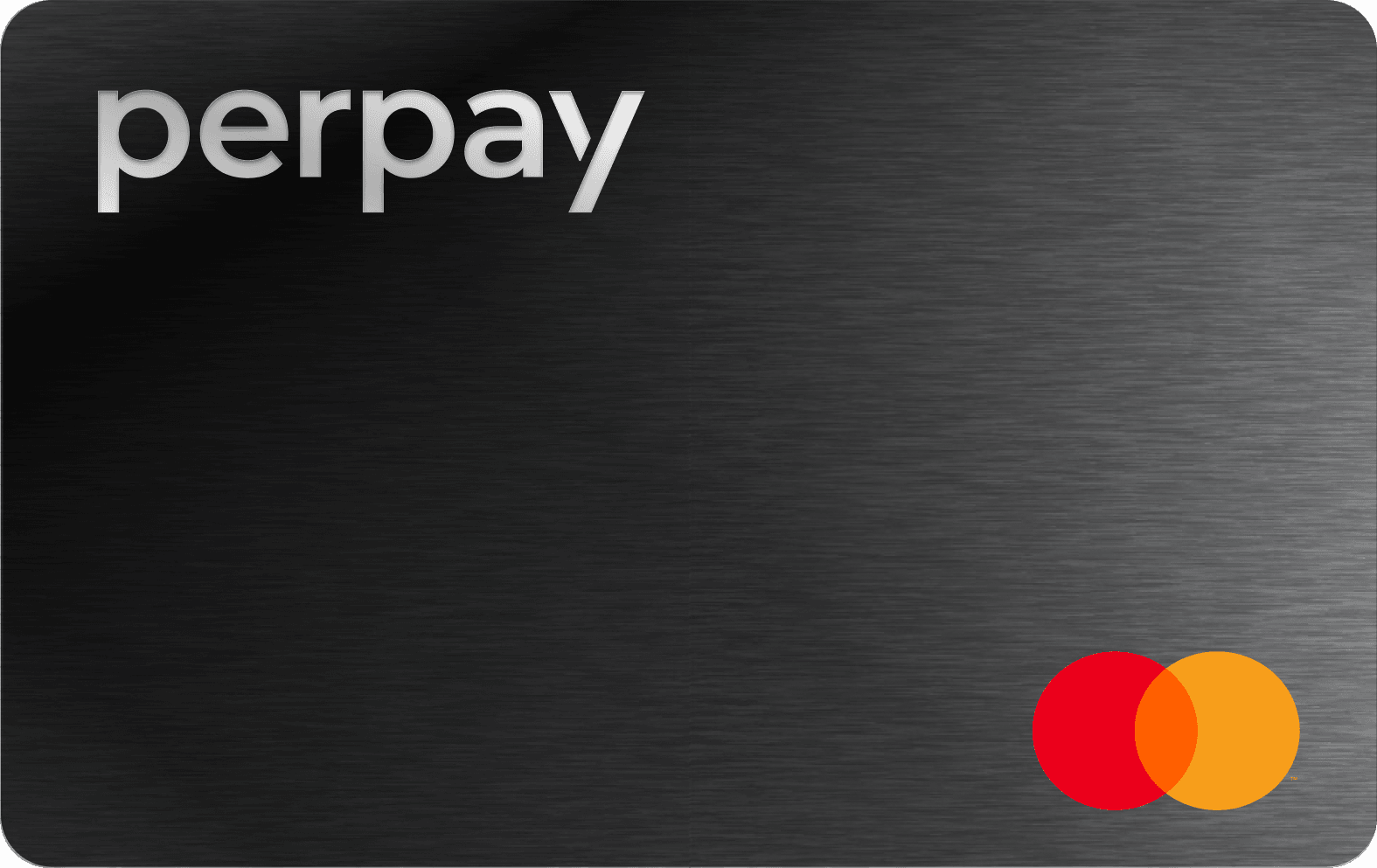
Perpay Credit Card
Meet the only card powered by your paycheck. With automatic transfers from your paycheck, you can manage payments stress-free and build credit with ease.
Fee
$9/month plus $9 account opening fee
APR
Marketplace: 0% / Credit Card: 27.74% to 29.99% depending on your creditworthiness.
Minimum Deposit Amount
$0
Credit Check
No
Cashback
2% reward on purchases made in Perpay Marketplace
Benefit
2% rewards, no security deposit
What Users Commonly Report
Many people say the biggest surprise is how little a debit card does for their credit, even after years of heavy use. A common piece of feedback is that switching to a secured or starter credit card and paying in full produced visible score gains within a few months.
Reviewers often praise no-deposit credit-builder products for being affordable, though a frequent complaint is that the credit limits start small. Several note that store cards are easy to get but easy to regret once the high APR hits a carried balance.
Frequently Asked Questions
What is the difference between a credit card and a debit card?
A credit card lets you borrow money up to a limit and pay it back later, while a debit card spends money you already have in your checking account. Credit cards can build your credit score when payments are reported; standard debit spending usually does not.
Do secured and prepaid cards both build credit?
No. Secured cards report to the credit bureaus and can build credit when you pay on time. Prepaid cards are loaded with your own cash and are not reported, so they do not affect your credit score at all.
Which card type is best for someone with no credit history?
A secured credit card or a no-deposit credit-builder product is usually best, because both are easier to qualify for and report to all three bureaus. Tools like the Self Visa Credit Card or Kikoff are designed for thin or new credit files.
Can a store card be used anywhere?
Only if it is a co-branded card with a Visa, Mastercard, or other network logo. A closed-loop store card works exclusively at that retailer or its related brands, which is its main limitation.




