Being a stay-at-home spouse should not shut you out of the credit card world. Yet many housewives believe they need a job outside the home to qualify. That has not been true for over a decade.
A 2013 update to the CARD Act made it legal for applicants 21 and older to list household income on credit card applications. That means the money your spouse earns counts as income you can use to apply. Here is how to do it the right way.
Why Having Your Own Credit Card Matters
Sharing your spouse's card feels easy, but it puts your financial life in their hands. If they pass away, divorce happens, or their credit takes a hit, you can be left with no access to credit of your own.
Having your own card builds a credit score in your name. That score follows you through life and opens doors to loans, apartments, and even better insurance rates. It also gives you a safety net that is yours alone.
The CARD Act Rule That Changed Everything
Before 2013, many stay-at-home spouses were denied cards simply because they had no personal income. The Credit CARD Act of 2009 was updated to fix this problem. Now applicants over 21 can include any income they "reasonably expect to have access to," including a spouse's earnings.
This rule made it possible for millions of housewives to qualify for their own cards. You do not need a paycheck. You just need to list your full household income honestly on the application. The same household-income rule is what makes getting a credit card while unemployed realistic for anyone with a working partner — the application logic is the same whether you call yourself a homemaker or simply between jobs.
What Income Can You List?
Household income can include many sources. When you apply, add up everything that flows into your home each month or year.
Things you can typically include:
- Your spouse's salary or wages
- Rental property income
- Social Security or retirement payments
- Child support or alimony you receive
- Part-time or gig work you do
- Investment income from joint accounts
- Side hustle earnings like selling crafts or tutoring
Be honest. Lenders rarely verify income for most applications, but they do check. If the number seems way off, your application can be denied. And lying on an application is fraud, so always give your real household figure.
Best Cards for Housewives Starting Out
If this is your first card in your own name, start simple. A secured card or credit builder card is the easiest path to approval. You build a score fast and graduate to bigger cards later.
The Self Visa® Credit Card is a smart first pick. It works with a Credit Builder Account, which lets you save money and build credit at the same time. You do not need a credit check to start the Credit Builder Account, so approval is easy even with no history. APRs vary by creditworthiness.

Another Approach: No Credit Check Needed
If you prefer to avoid credit checks and interest charges, the Current Build Card is a solid choice. It works like a debit card you already use, pulling from your own money. But unlike a regular debit card, it reports your activity to the major credit bureaus.
That means your monthly spending turns into credit history. There is no interest to worry about because you are spending your own cash. Terms apply.
Current Build Card
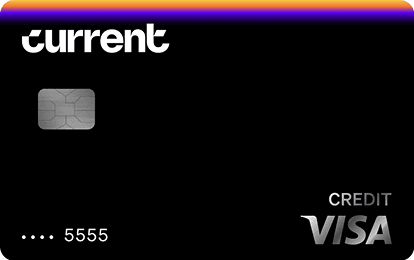
Current Build Card
$0 annual fee. No minimum deposit required. No credit check required. 1 point per dollar on eligible categories. Reports to Experian, TransUnion, Equifax.
Fee
$0
APR
0%
Minimum Deposit Amount
$0
Credit Check
No
Cashback
1 point/dollar on eligible categories (with qualifying payroll deposit)
Benefit
No credit check, no deposit minimum
Become an Authorized User First
If you are not sure about applying on your own yet, becoming an authorized user on your spouse's card is a great first step. You get a card in your name linked to their account. Their payment history can start showing up on your credit report.
After six to twelve months as an authorized user, your score may be high enough to apply for your own card. This is a lower risk way to ease into credit without a full application.
Make sure the card reports authorized user activity to the credit bureaus. Most major banks do, but smaller issuers sometimes skip this step.
What to Put on the Application
Filling out the form is simple once you know what goes where. Here is a quick guide.
Employment Status
Check "homemaker," "not employed," or "other." Some forms have a "stay-at-home parent" option. Pick whichever fits best.
Annual Income
List your full household income. If your spouse earns 60,000 dollars a year and you get 200 dollars a month from a crafts side hustle, your household income is 62,400 dollars.
Source of Income
Write "household income" or "spouse's salary." You do not need to hide that the main earner is your partner. The CARD Act rule exists for exactly this reason.
Housing Payment
List your rent or mortgage payment. If the mortgage is in your spouse's name, that is fine. List what your household pays.
Tips to Boost Your Odds
A few small steps can make your application stronger. These work for any first-time card applicant. If you also lack a Social Security number because you immigrated recently, the rules shift slightly — our guide on how foreigners can get a credit card in the U.S. covers ITIN-friendly options that pair well with the CARD Act household-income approach.
Open a checking account in your own name first. Having a bank history makes you look more established to lenders.
Check your credit report before applying. If you have ever had a card or been an authorized user, you may have a score already. Grab your free report at annualcreditreport.com to see what is there.
Apply for one card at a time. Hard inquiries add up and each one can ding your score a little. Pick the card you want most and apply just for that one.
What If You Get Denied?
A denial is not the end of the road. You have the right to a free credit report and a written reason for the denial. Read it, fix what you can, and try again in a few months.
Common reasons for denial include too little credit history, errors on your report, or not enough income listed. Sometimes just switching to a secured card fixes the problem.
Firstcard offers tools to help you figure out which card fits your situation. The app compares your options and shows which ones you are likely to qualify for before you apply.
Frequently Asked Questions
Can a stay-at-home wife get her own credit card?
Yes. Since 2013, the CARD Act allows applicants 21 and older to use household income on credit card applications. That means stay-at-home wives and husbands can qualify using their spouse's earnings.
Do I need to tell the lender my spouse's income or my own?
You list your full household income, which can include your spouse's earnings. You do not need to separate it out. Just make sure the total is accurate.
What if I have no credit history at all?
Start with a secured card or become an authorized user on a trusted family member's card. Both paths can build a credit score within six to twelve months.
Will applying for a card hurt my spouse's credit?
No. Your application only affects your own credit, not your spouse's. Even if you list their income, the hard inquiry and new account appear only on your report.

Firstcard was founded in 2020 by Kenji Niwa, an immigrant founder who was turned down for his first U.S. credit card because he had no credit score. So he set out to build the card he couldn't get. Firstcard launched its own card, the Firstcard Secured Credit Builder Card. The program received more than 250,000 applications and served tens of thousands of cardholders. In February 2026, Firstcard became a marketplace for financial products, with the same mission: to help people build credit and reach financial freedom. Today we compare credit cards, cash advance apps and credit builders, so you can choose the right one with confidence. This editorial team is led by Chief Editor Kenji Niwa. We check fees, APRs and terms against each provider's own documents and note the date we checked. We also interview real users and the companies that offer credit cards and loans. Our ratings use the same standards whether or not Firstcard earns money from a product. Full profile and latest articles →