Citi makes two of the most popular cash-back cards around, and they work in completely opposite ways. One pays a high 5% on your biggest spending category. The other pays a steady 2% on absolutely everything.
So which Citi card actually earns you more? It depends on whether your spending clusters in one place or spreads out evenly. Here is the side-by-side breakdown, with current terms as of June 2026.
Citi Custom Cash vs Double Cash: Comparison Table
| Feature | Citi Custom Cash | Citi Double Cash |
|---|---|---|
| Annual fee | $0 | $0 |
| Rewards | 5% on top eligible category each cycle (up to $500), 1% else | 2% total: 1% when you buy, 1% when you pay |
| Welcome bonus | $200 after $1,500 spend in 6 months | $200 after $1,500 spend in 6 months |
| Intro APR | 0% on purchases and balance transfers for 15 months | 0% on balance transfers for 18 months |
| Regular APR | Variable, set by creditworthiness | 17.49%-27.49% variable |
| Foreign transaction fee | 3% | 3% |
| Application status | Closed to new applicants as of May 28, 2026 | Open |
| Who it fits | Heavy spenders in one category | People who want flat-rate simplicity |
Terms and conditions apply. APRs vary by creditworthiness.
How the Rewards Differ
The Custom Cash automatically pays 5% back on your highest eligible spending category each billing cycle, on up to $500 in spending, then 1% after that. You do not pick the category; Citi applies it to wherever you spent the most.
The Double Cash pays a flat 2% on everything, split as 1% when you buy and 1% when you pay your bill. There are no categories to track and no caps to worry about.
If your spending concentrates in one area, like grocery or dining, the Custom Cash can return more. If your spending is spread across many categories, the Double Cash usually wins.
The Important Catch on Custom Cash
There is a major update for 2026. Citi stopped accepting new applications for the Custom Cash Card as of May 28, 2026. Existing cardholders are not affected and can keep using their cards.
That makes the Double Cash the more practical pick for most new applicants, simply because you can still get it. The Custom Cash remains a strong card if you already hold one.
Both cards require good to excellent credit. If your score is still building, an accessible card can get the ball rolling. The Aspire Mastercard is unsecured with no deposit, lets you prequalify for up to $1,000, pays up to 3% cash back, and reports to all three bureaus.
Aspire® Cash Back Rewards Mastercard
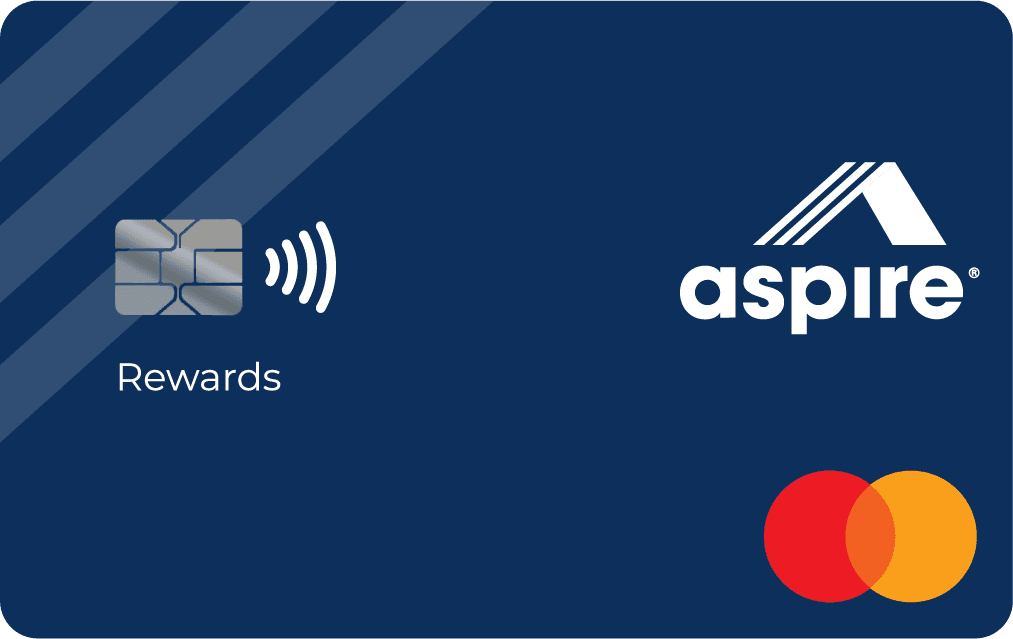
Aspire® Cash Back Rewards Mastercard
Aspire® Cash Back Rewards Mastercard. Prequalify* For Up To $1000 Credit Limit. No security deposit. Packed with great benefits, it’s designed to give you more flexibility—and purchasing power—along with up to 3% cash back rewards!** Good anywhere Mastercard is accepted, it’s the go-to card for any lifestyle.
Standout feature
Up to 3% cashback rewards**
Fees
$85–$175 first year, $229 thereafter (maintenance fees already included)
Pros
No Deposit Required. Prequalify* for up to $1000 credit limit
Cons
High APR, 36% Fixed.
APR and Fees Compared
Both cards charge no annual fee, which keeps them easy to hold long term. Both also charge a 3% foreign transaction fee, so neither is ideal for international travel.
The intro APR offers differ. The Custom Cash gives 0% intro APR on purchases and balance transfers for 15 months. The Double Cash gives 0% intro APR on balance transfers for 18 months but not on new purchases.
After the intro period, the Double Cash APR runs 17.49% to 27.49% variable based on creditworthiness. As with any card, carrying a balance can quickly outweigh the cash back you earn.
If approval is your main hurdle, a no-credit-check builder can help first. Perpay is paycheck-powered with no deposit and no credit check, pays 2% rewards, and reports payments to help build credit, with users seeing an average 30-point increase.
Perpay Credit Card
Perpay Credit Card
Meet the only card powered by your paycheck. With automatic transfers from your paycheck, you can manage payments stress-free and build credit with ease.
Fee
$9/month plus $9 account opening fee
APR
Marketplace: 0% / Credit Card: 27.74% to 29.99% depending on your creditworthiness.
Minimum Deposit Amount
$0
Credit Check
No
Cashback
2% reward on purchases made in Perpay Marketplace
Benefit
2% rewards, no security deposit
Which Card Should You Choose?
If you can still get the Custom Cash or already hold one, choose it when your spending leans heavily on a single category each month and you can hit that $500 cap. The 5% rate beats 2% on that slice of spending.
Choose the Double Cash if you want one simple card that pays a reliable 2% on everything with no tracking. For new applicants in mid 2026, it is also the card you can actually apply for.
Some people use both together. The Custom Cash captures a top category at 5% while the Double Cash covers all other spending at 2%, a combo Citi fans have long favored.
Before any of these, you need the credit to qualify. The Self Visa pairs a secured credit card with a credit-builder account and reports to all three bureaus, helping you build the history these cards expect. Terms and conditions apply.
The Bottom Line
The Custom Cash and Double Cash solve the same goal in opposite ways. The Custom Cash rewards focused spenders with 5% on a top category, while the Double Cash rewards everyone with a flat 2%. Both charge no annual fee and offer the same $200 welcome bonus.
For new applicants, the Double Cash is the realistic choice since Custom Cash closed to new applications in May 2026. Either way, both report to the major bureaus and APRs vary by creditworthiness. Terms and conditions apply.
Frequently Asked Questions
Is Citi Custom Cash or Double Cash better?
It depends on your spending. The Custom Cash pays 5% on your top category each cycle up to $500, which beats the Double Cash if your spending concentrates in one area. The Double Cash pays a flat 2% on everything, which wins when your spending is spread out.
Can you still apply for the Citi Custom Cash card?
No. Citi stopped accepting new applications for the Custom Cash Card as of May 28, 2026. Existing cardholders can keep using their cards, but new customers will need to choose the Double Cash or another card.
Do the Citi Custom Cash and Double Cash have annual fees?
No. Both cards have a $0 annual fee, which makes them inexpensive to keep long term. Both do charge a 3% foreign transaction fee, so they are less suited to purchases made outside the United States.
Can you have both Citi Custom Cash and Double Cash?
Yes, if you already hold a Custom Cash card. Many cardholders pair them, using the Custom Cash for a top 5% category and the Double Cash for a flat 2% on everything else. New applicants can no longer add the Custom Cash, however.