
A $500 credit limit might sound small, but it is one of the most common starting points for anyone new to credit or rebuilding after a rough patch. It is enough to cover groceries, a phone bill, or a tank of gas, and it keeps your spending in check while you build a track record.
If you are searching for a credit card with a $500 limit, you have two realistic paths: a secured card where your deposit sets the limit, or a starter unsecured card that issues a modest line. Here is how each works, which products start in that range, and how to grow your limit from there.
Why a $500 Limit Is a Smart Starting Point
Lenders rarely hand a large credit line to someone with little or no history. A limit around $500 is low risk for the issuer and easy to manage for you. It lets you prove you can borrow and repay without giving you enough rope to fall into deep debt.
There is also a credit-score upside. Keeping your balance under 30% of a $500 limit means staying below $150, which is achievable for most monthly budgets. Low credit utilization is one of the biggest drivers of a healthy score.
Secured Cards: Your Deposit Sets the Limit
With a secured card, you put down a refundable deposit and that amount usually becomes your credit limit. Want a $500 limit? Deposit $500. Because the issuer holds your cash as collateral, approval is far easier than with a traditional card, which is part of why a secured card is so often the first credit card with no credit history behind it.
The Self Visa Credit Card is a flexible option here. Self lets you build a security deposit over time through a small credit-builder account, and your starting credit limit can range from $100 to $3,000 depending on the deposit you build, so landing near $500 is realistic. As of January 2026, it carries a variable APR of 27.49% and a $25 annual fee after the first year, and it reports to all three credit bureaus.
The Current Build Card takes a different approach. As of April 2026, it has no annual fee, no minimum deposit, and no credit check, and it draws from your own Current account spending balance. You decide how much to set aside, so you control how close your effective limit sits to $500, which makes it a natural fit for anyone who wants to pin their limit right at the $500 mark without locking up a deposit, and it reports to Experian, TransUnion, and Equifax.
Current Build Card
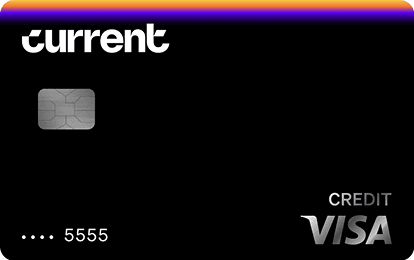
Current Build Card
$0 annual fee. No minimum deposit required. No credit check required. 1 point per dollar on eligible categories. Reports to Experian, TransUnion, Equifax.
Fee
$0
APR
0%
Minimum Deposit Amount
$0
Credit Check
No
Cashback
1 point/dollar on eligible categories (with qualifying payroll deposit)
Benefit
No credit check, no deposit minimum
Starter Unsecured and No-Deposit Options
Not everyone wants to tie up cash in a deposit. A few credit-builder products give you a line of credit without one.
Kikoff offers a credit-builder line of credit with no security deposit and no interest. As of April 2026, its Basic plan costs $5 per month and comes with a $750 credit line, with higher tiers offering larger lines. You only use a small slice of it for a recurring charge, which keeps utilization low and builds payment history.
The Chime Card is another no-deposit route. It uses the money you move into your account as your credit limit, charges no annual fee and no interest, and requires no credit check to apply. You can effectively set your usable limit near $500 by funding it with that amount, and Chime reports to all three bureaus.
Traditional unsecured starter cards for thin credit often issue limits between $300 and $1,000, so a $500 starting line is common. If you would rather skip a deposit entirely and still get a true unsecured line in that range, the Aspire Cash Back Rewards Mastercard prequalifies applicants for up to a $1,000 credit limit with no security deposit and up to 3% cash back, so a $500 starting line lands squarely in its range for someone building credit.
Aspire® Cash Back Rewards Mastercard
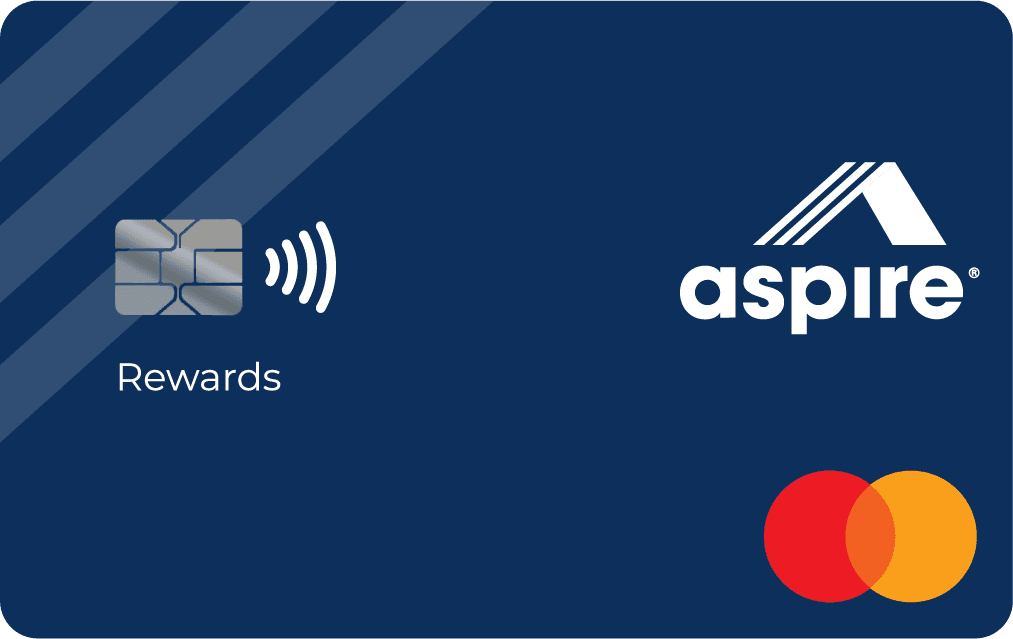
Aspire® Cash Back Rewards Mastercard
Aspire® Cash Back Rewards Mastercard. Prequalify* For Up To $1000 Credit Limit. No security deposit. Packed with great benefits, it’s designed to give you more flexibility—and purchasing power—along with up to 3% cash back rewards!** Good anywhere Mastercard is accepted, it’s the go-to card for any lifestyle.
Standout feature
Up to 3% cashback rewards**
Fees
$85–$175 first year, $229 thereafter (maintenance fees already included)
Pros
No Deposit Required. Prequalify* for up to $1000 credit limit
Cons
High APR, 36% Fixed.
How to Qualify Around the $500 Range
Secured and no-deposit credit-builder products are the easiest to get because they reduce the lender's risk. Many skip the hard credit pull entirely or use only a soft check that does not ding your score.
To improve your odds and your starting limit:
- Provide accurate income, even part-time or benefits income, since issuers weigh ability to repay.
- For secured cards, deposit the full amount you want as your limit.
- Keep any existing accounts in good standing, with no recent missed payments.
- Avoid applying for several cards at once, which can signal risk.
If steady income is your strongest qualification rather than savings for a deposit, a paycheck-linked card can be the easiest route to a starter line. Perpay issues credit powered by your paycheck with no security deposit and automatic payroll payments, which fits anyone who can qualify on income and wants a $500-ish line without a hard credit check.
How Your Credit Limit Grows Over Time
Perpay Credit Card
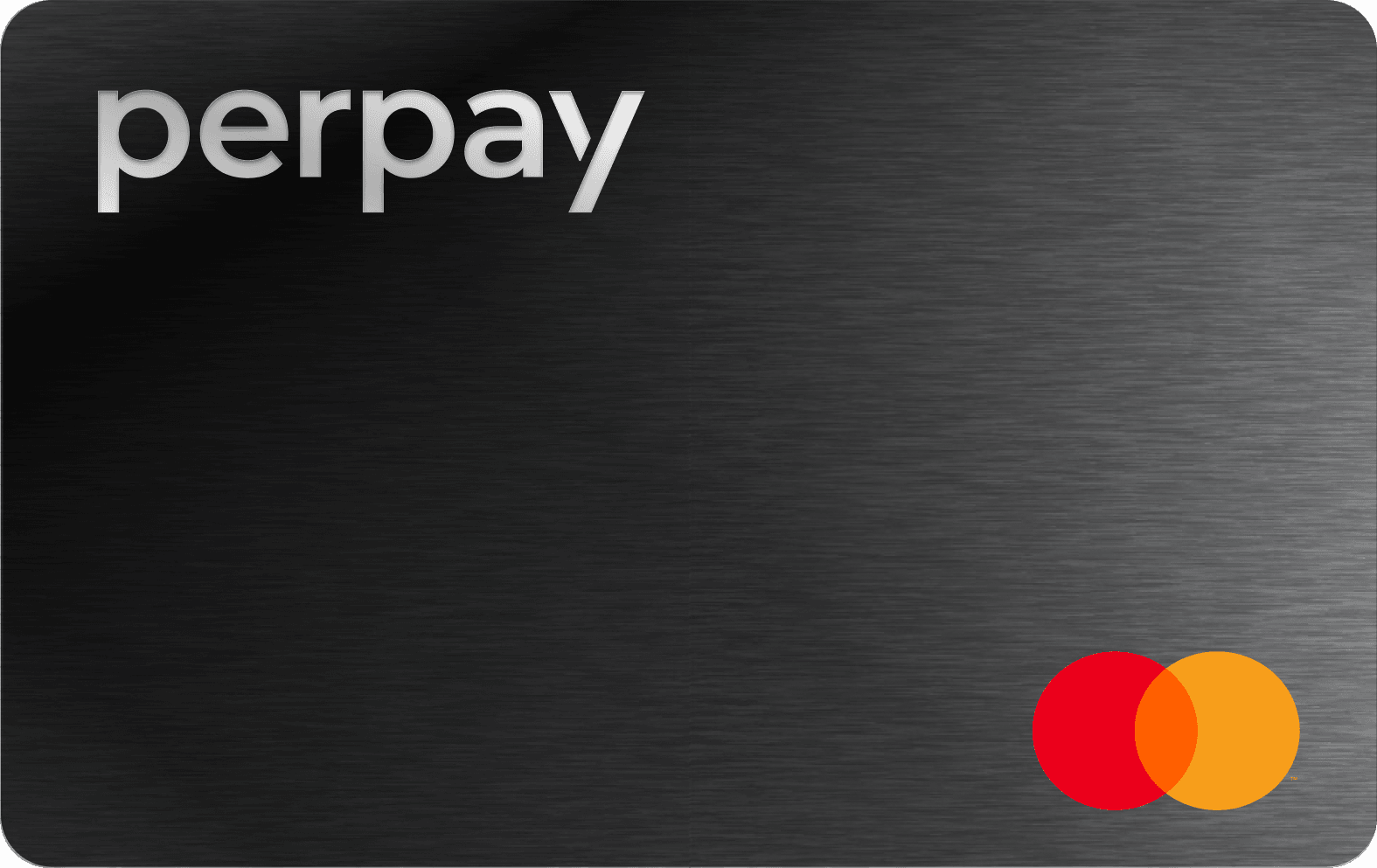
Perpay Credit Card
Meet the only card powered by your paycheck. With automatic transfers from your paycheck, you can manage payments stress-free and build credit with ease.
Fee
$9/month plus $9 account opening fee
APR
Marketplace: 0% / Credit Card: 27.74% to 29.99% depending on your creditworthiness.
Minimum Deposit Amount
$0
Credit Check
No
Cashback
2% reward on purchases made in Perpay Marketplace
Benefit
2% rewards, no security deposit
A $500 limit is a starting line, not a ceiling. With consistent use, your limit can climb in a few ways.
The most reliable path is on-time payments. After six months to a year of paying on time and keeping balances low, many issuers offer automatic credit-limit increases. Some let you request one directly through the app.
With secured cards, adding to your deposit often raises your limit dollar for dollar. Many secured cards, including the Self Visa Credit Card, can also graduate you to an unsecured card and return your deposit after a stretch of responsible use, which frequently comes with a higher limit.
As your score improves, you also unlock better cards entirely. A $500 secured card today can become a $2,000 rewards card in a year or two of steady habits.
Using a $500 Limit the Right Way
Treat the limit as a tool, not a target. Charge one or two small recurring bills, then pay the statement in full every month to dodge interest. At a typical APR near 27%, carrying even a small balance gets expensive fast.
Keep utilization low. On a $500 limit, try to stay under $150 reported, ideally under $50. To watch your progress, Creditship offers free FICO score tracking so you can see your number move as your history grows. Terms and conditions apply, and APRs vary by creditworthiness.
What Users Commonly Report
Many people say a card starting around $500 felt limiting at first but quickly became enough once they used it only for a recurring bill. A common theme is steady score gains within the first few months of on-time payments, which makes sense given how much payment history drives the score.
Reviewers frequently praise no-deposit and low-cost credit-builder tools for being easy to qualify for. A recurring complaint, though, is that limits start small and increases can take patience, so users often stress setting up autopay and waiting it out.
Frequently Asked Questions
Is a $500 credit limit good for building credit?
Yes. A $500 limit is enough to build payment history and keep utilization low, which are two of the biggest factors in your score. Keeping your reported balance under about $150 on that limit helps your score climb.
Can I get a credit card with a $500 limit if I have no credit?
Yes. Secured cards and no-deposit credit-builder products like the Self Visa Credit Card, Current Build Card, Kikoff, and the Chime Card are designed for people with no or limited credit and often skip the hard credit check.
How long until my $500 limit increases?
Many issuers review accounts for an increase after six months to a year of on-time payments and low balances. With secured cards, you can often raise your limit sooner by adding to your deposit.
Will a low credit limit hurt my score?
Not if you keep your balance low. A small limit only becomes a problem if you regularly use most of it, which raises your utilization. Charging a little and paying in full keeps the impact positive.



