
If you fill up regularly at Phillips 66, 76, or Conoco stations, you have probably seen the offer to save a few cents per gallon with the branded credit card. For a frequent driver, those pennies can add up over a year. But the value depends on which version you get and how you pay your bill.
This review covers the rebate, the difference between the gas-only card and the wider-network version, the APR, the fees, and who the card actually fits. All figures are as of June 2026. Terms and conditions apply, and APRs vary by creditworthiness.
Key facts at a glance
| Feature | Detail |
|---|---|
| Issuer | Synchrony Bank |
| Network | Gas-only store card, or wider Mastercard version |
| Annual fee | $0 |
| Purchase APR | Variable, often around 29% or higher |
| Rewards | Up to 5 cents per gallon in fuel savings |
| Score needed | Often easier with a score around 640 or higher |
| Reports to bureaus | Experian, Equifax, TransUnion (typical) |
Note: This card program has changed providers over time and has been associated with different issuers in older agreements. As of June 2026, the Phillips 66, 76, and Conoco card program is issued by Synchrony Bank. Always confirm the issuer on your application.
The cents-per-gallon rebate
The main appeal is fuel savings at the pump. As of June 2026, cardholders can typically earn up to 5 cents off per gallon when using the Fuel Forward app on a fuel purchase, or 3 cents off per gallon without the app. The savings often apply to a set number of gallons per fill-up, commonly the first 30 gallons.
Those savings usually come as a statement credit or as an immediate discount at the pump, depending on the program. The exact rebate can change, so check the current offer terms before you count on a specific number.
Here is the honest math. At 5 cents per gallon on 30 gallons, that is about $1.50 per fill-up. If you fill up four times a month, that is roughly $6 a month, or about $72 a year. It is a nice perk for loyal customers, but it is modest compared with a flat cash-back card that pays on every category.
Gas-only card vs the network version
There are two flavors of this card, and the difference matters.
The basic version is a gas-only store card. It works at Phillips 66, 76, and Conoco stations and, in many cases, across the Synchrony Car Care network of auto-service merchants. It does not work at the grocery store or online retailers.
The other version is a Mastercard. It earns the fuel savings at branded stations and can also be used anywhere Mastercard is accepted. If you want a card you can use beyond the pump, the network version is the one to look for. The trade-off is that approval standards may be a bit higher.
APR and fees
The card has no annual fee, which is a genuine plus. The catch is the interest rate. As of June 2026, the purchase APR is variable and tends to land around 29% or higher, with the exact rate tied to your creditworthiness and the prime rate. If a low rate is your priority, it is worth comparing the best APR credit card options.
That high APR is the reason this card only makes sense if you pay your balance in full every month. If you carry a balance, the interest can easily wipe out the few cents per gallon you saved. There is typically a minimum interest charge in any cycle where interest applies, plus possible late fees. Read the Rate and Fee summary on your specific offer for exact numbers.
Who this card may fit
This card fits a specific driver: someone who fills up often at Phillips 66, 76, or Conoco, uses the Fuel Forward app, and pays the statement in full each month. For that person, the rebate is basically free money on fuel they were buying anyway.
It is a poor fit if you carry a balance, if you rarely use these stations, or if you want broad rewards across many spending categories. In those cases a general cash-back card or a flat-rate gas card may serve you better. If your credit is on the lower end, our roundup of store cards for fair credit lists easier-approval picks.
How it affects your credit
Synchrony cards generally report to all three major credit bureaus: Experian, Equifax, and TransUnion. That means on-time payments can help build a positive history, and missed payments can hurt it.
Gas cards like this one are sometimes easier to qualify for than premium travel cards, which is why some people use them as a stepping stone. Just keep your balance low relative to your limit, since gas spending on a low-limit card can push your utilization up quickly. If you have been turned down elsewhere, our guide on whether you should apply for a credit card after being denied is worth a read first.
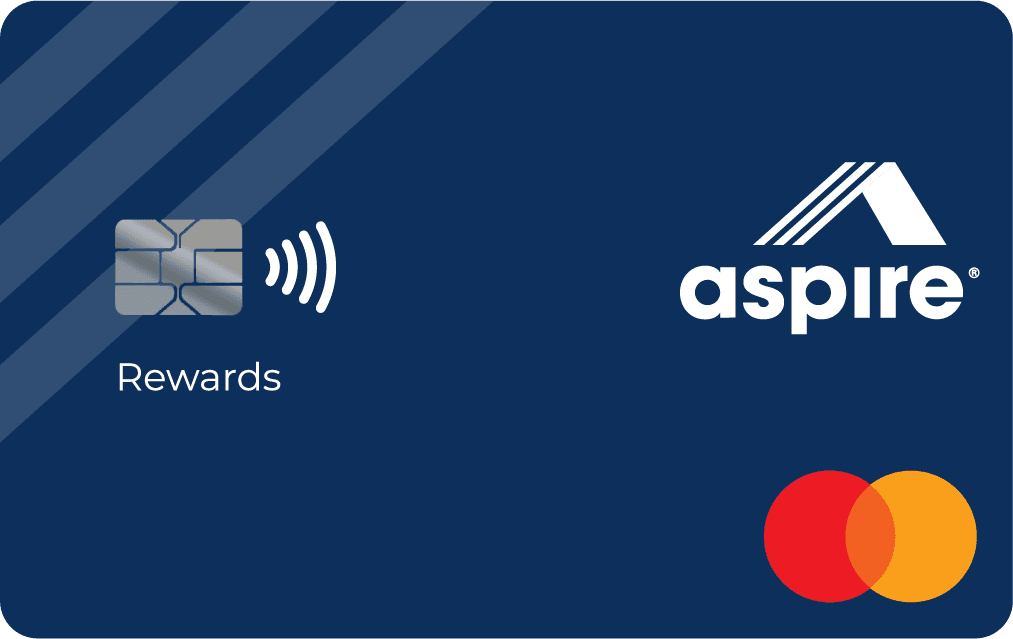
If approval is a concern, the Aspire Cash Back Rewards Mastercard is an unsecured card with no security deposit, prequalification up to a $1,000 limit, up to 3% cash back, and reports to all three bureaus. It works as a flexible general-purpose card you can use well beyond the pump if the store card decision is uncertain. Terms and conditions apply, and APRs vary by creditworthiness.
Aspire® Cash Back Rewards Mastercard
Aspire® Cash Back Rewards Mastercard
Aspire® Cash Back Rewards Mastercard. Prequalify* For Up To $1000 Credit Limit. No security deposit. Packed with great benefits, it’s designed to give you more flexibility—and purchasing power—along with up to 3% cash back rewards!** Good anywhere Mastercard is accepted, it’s the go-to card for any lifestyle.
Standout feature
Up to 3% cashback rewards
Fees
$49 to $175; after that $0 to $49 annually; - $60 to $159 annually billed at $5 to $12.50 per month after the first year.
Pros
No Deposit Required. Prequalify for up to $1000 credit limit
Cons
High APR. 25.74% to 36%, based on your creditworthiness.
Honest alternatives if you are building credit
If your main goal is building credit rather than saving on fuel, a dedicated credit-builder card may be a better starting point because you can use it everywhere and it is designed around steady reporting. It also helps to understand what a secure credit card is, since a secured card is one of the easier routes to approval.
Perpay is powered by your paycheck — no security deposit, shop and pay over time while it reports to all three bureaus, members see an average 32-point increase. That makes it a low-pressure way to build payment history while covering everyday costs like fuel. Either can help you build credit, and once it is stronger you can revisit a fuel card or a broader cash-back card with better terms. If your scores are very low, see the best store credit cards for bad credit 2026 too.
Perpay Credit Card
Perpay Credit Card
Meet the only card powered by your paycheck. With automatic transfers from your paycheck, you can manage payments stress-free and build credit with ease.
Fee
$9/month plus $9 account opening fee
APR
Marketplace: 0% / Credit Card: 27.74% to 29.99% depending on your creditworthiness.
Minimum Deposit Amount
$0
Credit Check
No
Cashback
2% reward on purchases made in Perpay Marketplace
Benefit
2% rewards, no security deposit
For an everyday card that keeps building credit between fill-ups, the Arro Card is an unsecured starter card with no deposit and no hard credit check; start with a limit up to $300 that grows toward $2,500 via in-app tasks, reports to all three bureaus. Terms and conditions apply, and rates vary by creditworthiness.
Arro Card
Arro Card
No deposit. No hard credit check. Start with up to $300 and grow your credit line to $2,500 by completing in-app tasks. Earn 1% cash back on gas and groceries — including Walmart and Target.
Standout feature
Unsecured — no deposit required
Fees
up to $60/ year
Pros
1% cash back on gas & groceries
Cons
Starting credit limit: $50–$300
The bottom line
The Phillips 66, 76, and Conoco Credit Card is a fine loyalty perk for frequent fillers who pay in full each month, especially if you grab the app discount. The fuel savings are real but modest, and the high APR means carrying a balance can quickly cost more than you save. Choose the Mastercard version if you want flexibility, the store version if you only care about the pump, and either way treat it as a pay-in-full card.
Frequently Asked Questions
How much can I save with the Phillips 66 Credit Card?
As of June 2026, you can typically save up to 5 cents per gallon when using the Fuel Forward app, or 3 cents per gallon without it, often on the first 30 gallons of a purchase. For a regular driver that may add up to roughly $50 to $75 a year, depending on how often you fill up.
Is the Phillips 66 Credit Card a Visa or Mastercard?
It depends on which version you have. The basic card is a gas-only store card that works at branded stations and across the Synchrony Car Care network. There is also a Mastercard version that earns fuel savings and can be used anywhere Mastercard is accepted.
What credit score do I need for the Phillips 66 Credit Card?
There is no official cutoff, but applicants often have better approval odds with a score around 640 or higher. The gas-only store version may be easier to qualify for than the Mastercard version, which generally expects stronger credit.
Does the Phillips 66 Credit Card charge an annual fee?
No, the card has no annual fee. The main cost to watch is the purchase APR, which is variable and often around 29% or higher, so it is best to pay your balance in full each month to avoid interest.




